Stories of Successful Grassroots Advocacy: Empowering Communities for Change
Dive into inspiring stories of successful grassroots advocacy, discover how to advocate for policy change in your community, and get tips on advocacy volunteering in political campaigns to make a real impact.
5 min read
Overview
Grassroots advocacy sparks real change from the ground up. Through stories of successful grassroots advocacy, we see everyday people banding together to influence policies. This article shares those tales, offers tips on how to advocate for policy change in your community, and highlights the role of volunteers in advocacy.
Grassroots advocacy happens when regular folks like you and me team up to push for changes in laws or policies. It starts small, often in neighborhoods or online groups, and grows into powerful movements. People volunteer their time, share their stories, and contact leaders to make their voices heard. This approach has led to big wins throughout history.
Think about what drives people to get involved. Maybe it's a local issue like polluted parks or unfair wages. Or broader concerns like climate change or healthcare access. Whatever the cause, grassroots efforts show that one person can start a ripple that turns into a wave.
Inspiring Stories of Successful Grassroots Advocacy
Let's look at some real-world examples that highlight the power of grassroots action. These stories show how volunteers and advocates have achieved remarkable results.
The Sunrise Movement and Climate Action
The Sunrise Movement kicked off in 2017 with young people pushing for bold climate policies. They focused on shifting public opinion and influencing elections. Volunteers organized sit-ins, rallies, and social media campaigns to promote the Green New Deal.
Their strategies included training young advocates and building coalitions. As a result, they helped elect pro-climate candidates and put climate change at the forefront of national discussions. This shows how advocacy volunteering in political campaigns can drive environmental policy changes. Source
Black Lives Matter and Social Justice
In 2013, after a high-profile acquittal, Alicia Garza, Patrisse Cullors, and Opal Tometi founded Black Lives Matter. It started as a hashtag and grew into a global movement against racial injustice.
Advocates used social media to share stories, organize protests, and demand police reform. Volunteers played key roles in local chapters, pushing for policy changes like body cameras and accountability measures. Their efforts led to widespread awareness and some legislative wins, proving the impact of grassroots advocacy on civil rights.
The International Campaign to Ban Landmines
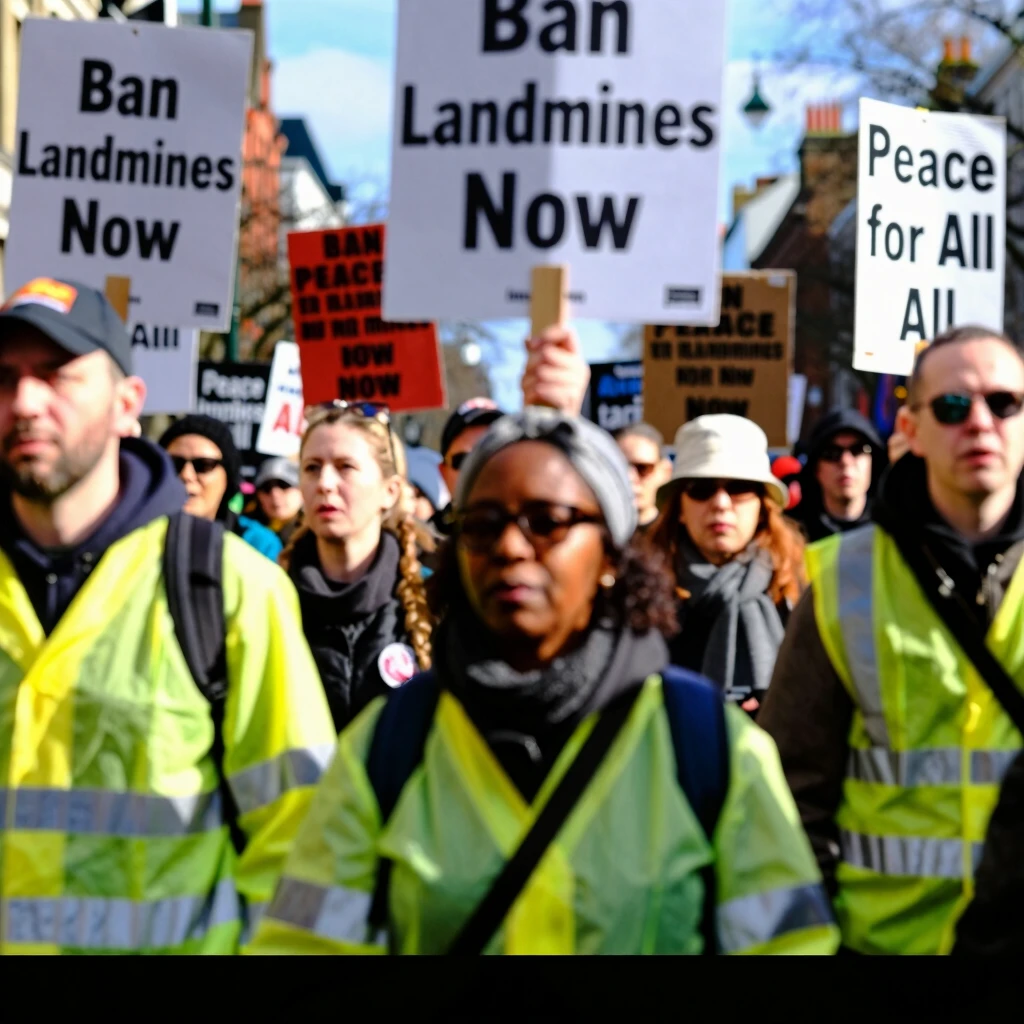
Started in 1992 by a handful of NGOs, this campaign united hundreds of organizations worldwide. Advocates lobbied governments, raised public awareness, and shared survivor stories to ban antipersonnel landmines.
Volunteers collected signatures, held events, and pressured leaders. The outcome? The 1997 Mine Ban Treaty, signed by over 160 countries. The campaign even won the Nobel Peace Prize, illustrating how global grassroots efforts can eliminate deadly weapons. Source
Aerospace Industries Association’s Second to None Campaign
In response to budget cuts threatening jobs, the Aerospace Industries Association launched a digital campaign. They used hashtags like #StopSequestration and a website to educate the public.
Strategies included targeted ads on social media and encouraging messages to Congress. Volunteers and supporters sent nearly 74,000 messages in a month, helping secure a fiscal deal that protected the industry. This example highlights effective use of online tools in grassroots lobbying. Source
Google’s Take Action for Internet Freedom
Facing a UN treaty that could restrict the open web, Google created a multilingual site explaining the issue. They used storytelling to engage users worldwide.
Advocates signed petitions, shared on social media, and marked a world map. Nearly three million people joined, leading 55 countries to reject the treaty. It demonstrates how tech companies can mobilize global volunteers for policy wins.
American Society of Anesthesiologists’ Advocacy Training
This group turned grassroots supporters into key influencers by building relationships with lawmakers. They offered educational modules on government and advocacy.
Volunteers learned storytelling and action-taking, leading to stronger engagements. Outcomes included better policy influence on healthcare issues, showing the value of training in advocacy. Source
How to Advocate for Policy Change in Your Community
Ready to start? Here's a step-by-step guide to get involved in grassroots advocacy. Remember, every big change begins with small actions.
-
Identify Your Issue: Pick a problem that matters to you, like local education funding or environmental protection. Research it to understand the facts.
-
Build a Team: Recruit volunteers through social media, community groups, or events. Share why the issue is important to draw people in.
-
Educate Yourself and Others: Learn about policies and decision-makers. Host workshops or online sessions to inform your group.
-
Create a Plan: Set goals, like gathering signatures or meeting officials. Use tools like petitions or email campaigns.
-
Take Action: Contact lawmakers, organize rallies, or use media to spread your message. Track progress and adjust as needed.
-
Follow Up: After actions, thank supporters and evaluate what worked. Keep the momentum going for long-term change.
Volunteering is key here. Offer your time to organize events or spread the word. Even a few hours a week can make a difference.

Advocacy Volunteering in Political Campaigns
Getting involved in elections amps up your impact. Volunteers in political campaigns do tasks like door-knocking, phone banking, or social media outreach.
For example, in the Sunrise Movement, young volunteers swayed votes by endorsing candidates who supported green policies. This hands-on advocacy helps elect leaders who align with your causes.
To volunteer effectively: - Choose Campaigns Wisely: Support those matching your values. - Train Up: Learn canvassing or digital tools. - Stay Committed: Regular involvement builds skills and networks. - Measure Impact: Track how your efforts contribute to wins.
Challenges might arise, like burnout or opposition. Combat them by setting boundaries, celebrating small victories, and seeking support from fellow advocates.
Tips for Success in Grassroots Advocacy
Use these practical insights to boost your efforts:
| Tip | Description |
|---|---|
| Tell Personal Stories | Share real experiences to connect emotionally with decision-makers. |
| Leverage Technology | Use apps for organizing and social media for amplification. |
| Build Alliances | Partner with other groups for broader reach. |
| Stay Persistent | Change takes time; keep pushing forward. |
| Evaluate and Adapt | Review what works and tweak your approach. |
From my perspective, having seen many campaigns, the heart of success lies in genuine passion. Volunteers who believe in the cause inspire others and overcome hurdles.
Summary
Stories of successful grassroots advocacy remind us that ordinary people can achieve extraordinary things. By learning how to advocate for policy change in your community and engaging in advocacy volunteering in political campaigns, you too can drive positive shifts. Start small, stay dedicated, and watch your efforts grow.