Storytelling That Wins Votes: Effective Communication Strategies for Political Volunteers
Discover how storytelling can transform political campaigns. Learn practical, engaging communication strategies for volunteers to connect with voters, inspire action, and drive advocacy. This guide offers actionable tips and insights to make your campaign messages resonate.
4 min read
Overview
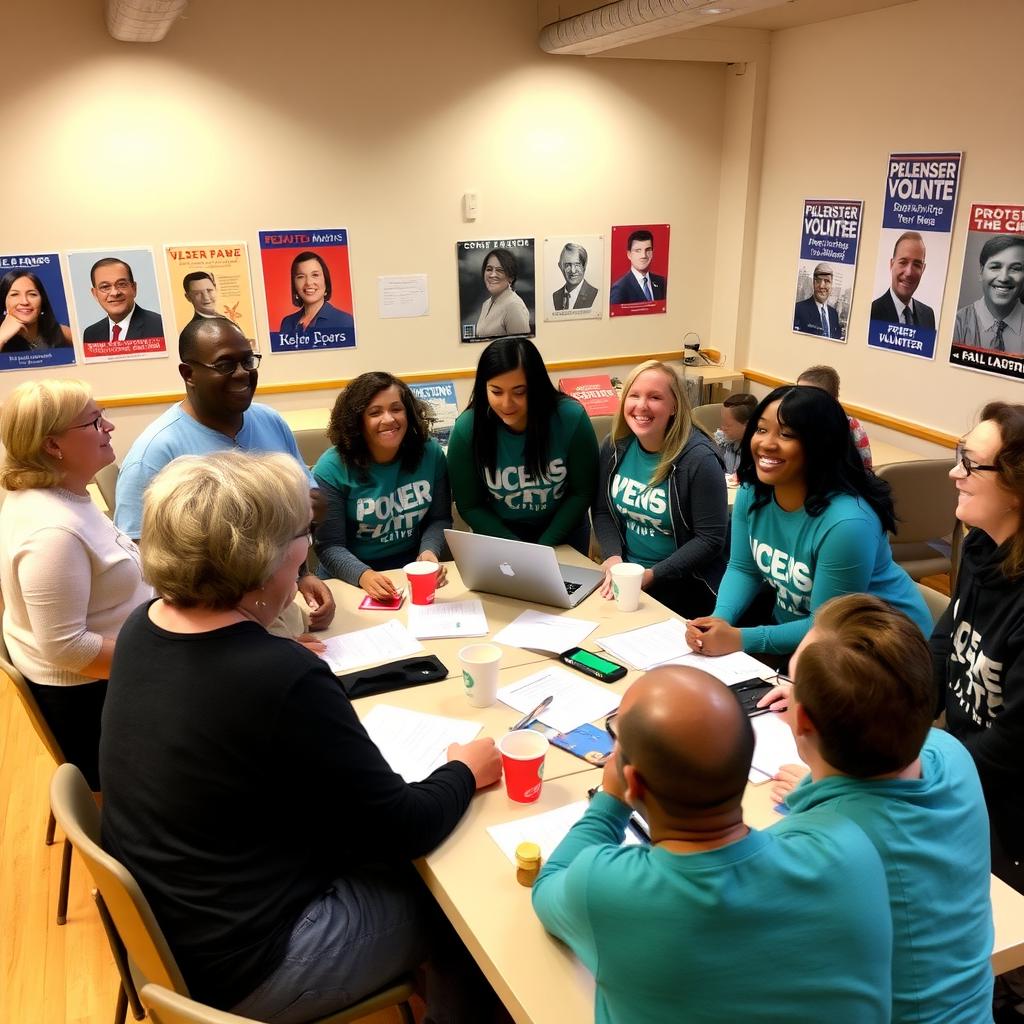
Storytelling That Wins Votes is more than a buzzword—it's a powerful tool for political volunteers to connect with voters. By weaving compelling narratives, volunteers can inspire, persuade, and mobilize communities. This article explores effective communication strategies for political volunteers, offering practical tips to make advocacy volunteering in political campaigns impactful.
Why Storytelling Matters in Political Campaigns
Stories have a unique ability to stick in people's minds. Unlike dry facts or statistics, a well-told story can evoke emotions, build trust, and make complex issues relatable. For political volunteers, storytelling is a bridge to connect with voters who might otherwise tune out campaign messages.
Think about it: when was the last time a voter remembered a candidate’s policy paper word-for-word? Now, compare that to a story about a local family struggling with healthcare costs. The story lingers because it’s human. Volunteers who master storytelling can turn abstract policies into personal, memorable messages.

Key Elements of Effective Political Storytelling
To craft stories that win votes, volunteers need to focus on a few core principles. These elements ensure your message resonates and motivates action.
1. Know Your Audience
Every voter is different. A story that connects with a young urban voter might not work for a rural retiree. Start by understanding your audience’s values, concerns, and experiences. Are they worried about jobs? Healthcare? Education? Tailor your story to reflect their reality.
For example, when speaking to parents, share a story about a local schoolteacher who fought for better funding. This makes the issue personal and shows how the candidate’s platform addresses real needs.
2. Keep It Authentic
Voters can spot inauthenticity a mile away. Don’t exaggerate or fabricate stories. Instead, draw from real experiences—yours, the candidate’s, or someone in the community. Authenticity builds trust, and trust wins votes.
I once volunteered for a local campaign where we shared stories about the candidate’s work as a community organizer. Voters connected with her genuine commitment because the stories were real, not polished talking points.
3. Make It Emotional
Logic alone doesn’t win elections—emotions do. A good story taps into feelings like hope, frustration, or pride. For instance, instead of saying, “Our candidate supports small businesses,” tell the story of a local bakery owner who kept their doors open thanks to the candidate’s policies. This paints a vivid picture and stirs emotion.
Practical Storytelling Tips for Volunteers
Advocacy volunteering in political campaigns often involves door-to-door canvassing, phone calls, or community events. Here’s how to weave storytelling into these interactions:
| Activity | Storytelling Tip |
|---|---|
| Door-to-Door Canvassing | Share a short, relatable story about the candidate’s impact on a similar community. |
| Phone Banking | Use a personal anecdote to explain why you support the candidate. |
| Community Events | Highlight a local voter’s story to show the campaign’s relevance to the audience. |
Practice Your Delivery
A great story falls flat if it’s told poorly. Practice telling your story in a clear, concise way. Aim for a 30-second version for quick interactions and a 2-minute version for deeper conversations. Keep your tone conversational, not rehearsed.
Use Visuals When Possible
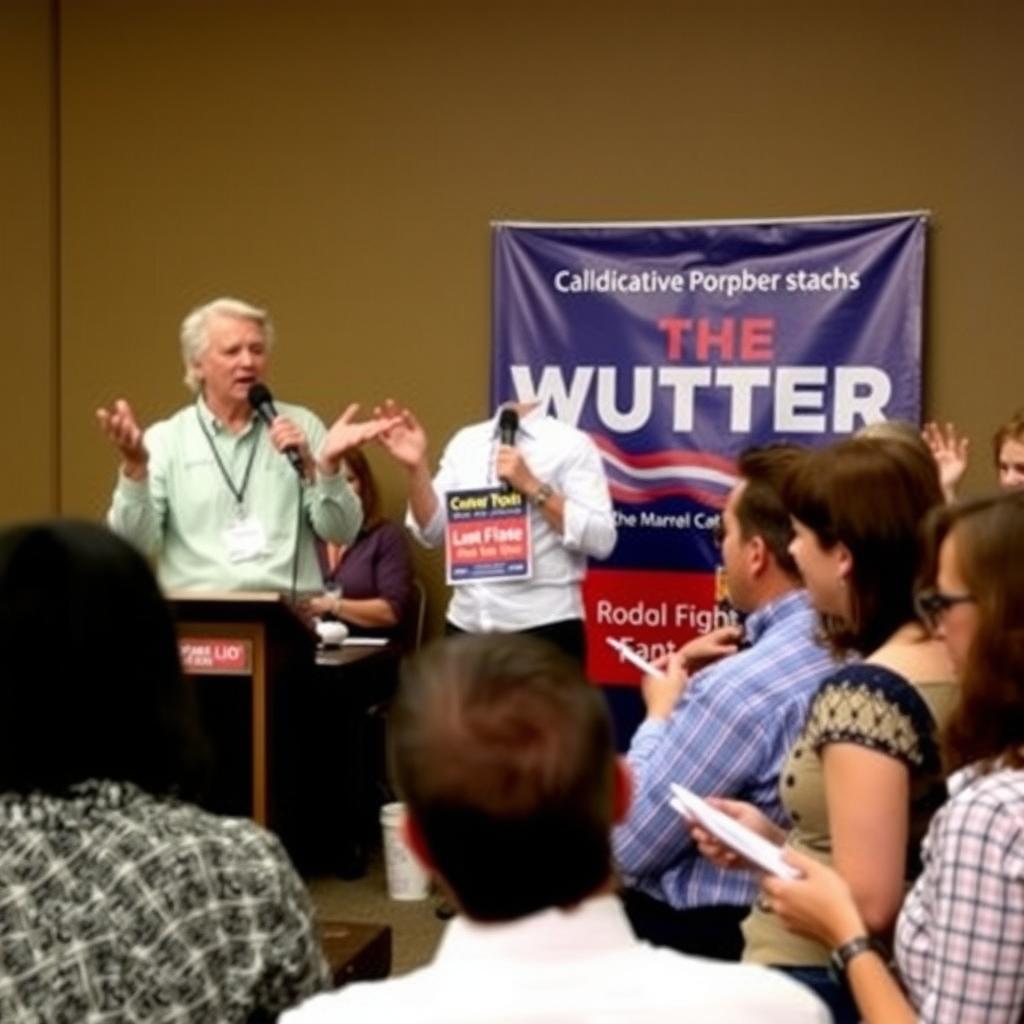
When speaking at events or sharing on social media, pair your story with visuals. A photo of the candidate meeting with community members or a short video clip can amplify your message. Just ensure the visuals are authentic and relevant.
Overcoming Common Storytelling Challenges
Storytelling isn’t always easy. Volunteers may face hurdles like skeptical voters or time constraints. Here’s how to tackle them:
- Skeptical Voters: If someone doubts your story, acknowledge their concerns and pivot to shared values. For example, “I understand your frustration with politics. That’s why I support this candidate—they’ve already made a difference in our schools.”
- Time Constraints: Keep stories short and impactful. A 15-second anecdote can be just as powerful as a long speech if it’s heartfelt.
- Lack of Stories: If you’re new to a campaign, ask the candidate or other volunteers for real examples of impact. Local news or community testimonials are great sources.
One campaign I worked on faced a skeptical audience in a rural area. We shared stories about the candidate’s efforts to improve local infrastructure, like fixing roads. By addressing a specific local issue, we turned doubters into supporters.
The Role of Advocacy in Storytelling
Advocacy volunteering in political campaigns is about more than handing out flyers—it’s about inspiring action. Storytelling is your most powerful tool for advocacy. When you share a story that resonates, you’re not just informing voters; you’re motivating them to vote, volunteer, or spread the word.
For example, during a recent campaign, we trained volunteers to share stories about the candidate’s work with underserved communities. This inspired more people to join our efforts, creating a ripple effect of advocacy.
Measuring the Impact of Your Stories
How do you know if your storytelling is working? Look for these signs:
- Engagement: Are voters asking questions or sharing their own stories? This shows they’re connecting with your message.
- Action: Are people signing up to volunteer, donating, or committing to vote? Stories that inspire action are effective.
- Feedback: Listen to what voters say. If they repeat your story to others, it’s resonating.
In one campaign, we noticed more voters attending rallies after we started sharing personal stories. The numbers spoke for themselves—our storytelling was working.
Summary
Storytelling That Wins Votes is about connecting with people on a human level. By crafting authentic, emotional, and relatable stories, political volunteers can turn voters into supporters and supporters into advocates. Use the tips in this guide to make your advocacy volunteering in political campaigns more effective. Practice your stories, know your audience, and let your passion shine through. With the right approach, your stories can change hearts, minds, and election outcomes.