Strategies for Effective Community Engagement: Building Stronger Connections
Discover practical strategies for effective community engagement, including how to start a service learning project, foster volunteer participation, and create lasting impact. This comprehensive guide offers actionable tips and personal insights for building stronger community connections.
4 min read
Overview
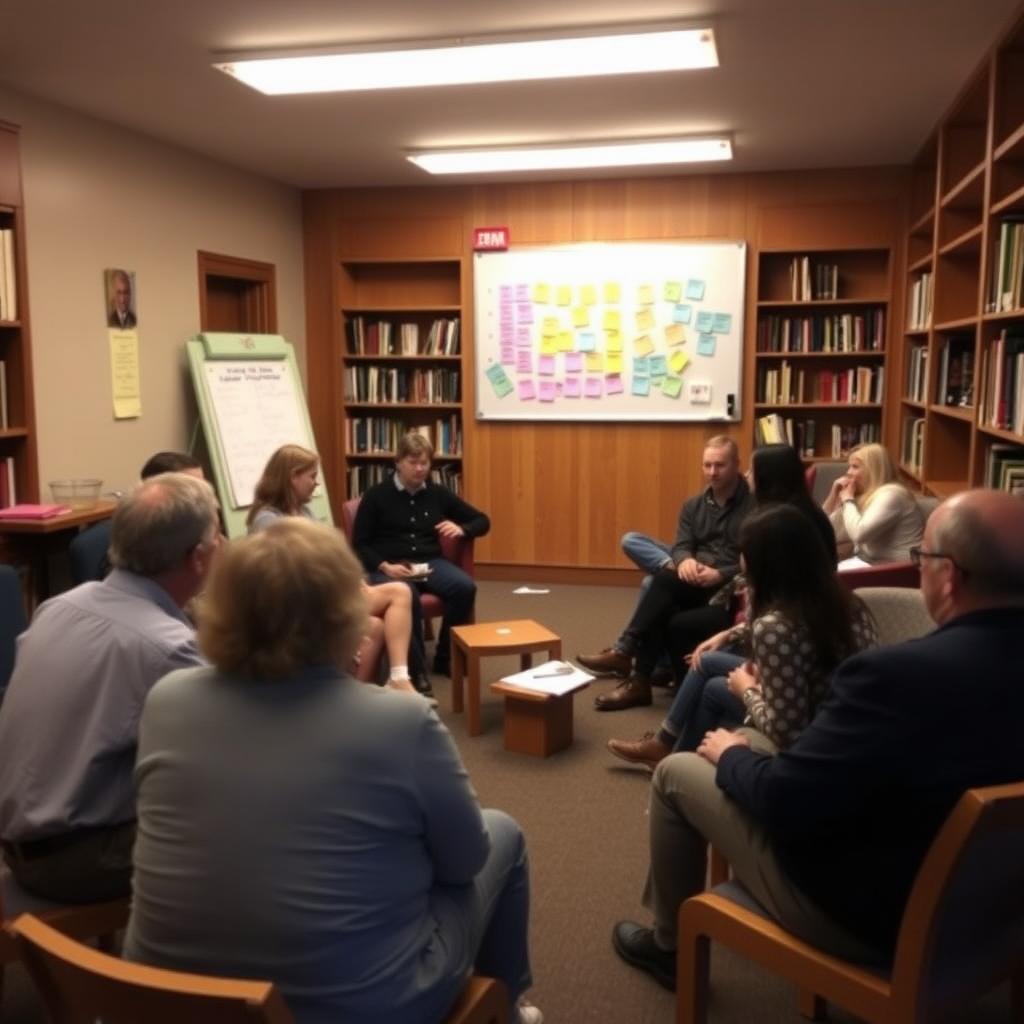
Community engagement is about building relationships and creating positive change together. Whether you're organizing a service learning project or rallying volunteers, effective strategies can make your efforts meaningful and sustainable. This guide shares practical tips and personal insights to help you connect with your community and drive impact.
Why Community Engagement Matters
Strong communities thrive on connection. When people feel involved, they’re more likely to contribute ideas, time, and energy. Engagement isn’t just about events or projects—it’s about fostering trust and collaboration. From my experience helping organize local clean-up drives, I’ve seen how small actions, like listening to neighbors’ ideas, spark bigger changes.
Engagement also boosts local pride. Studies, like those from the National Civic League, show that active community participation increases civic responsibility and reduces social isolation. By focusing on strategies for effective community engagement, you create spaces where everyone feels valued.
How to Start a Service Learning Project
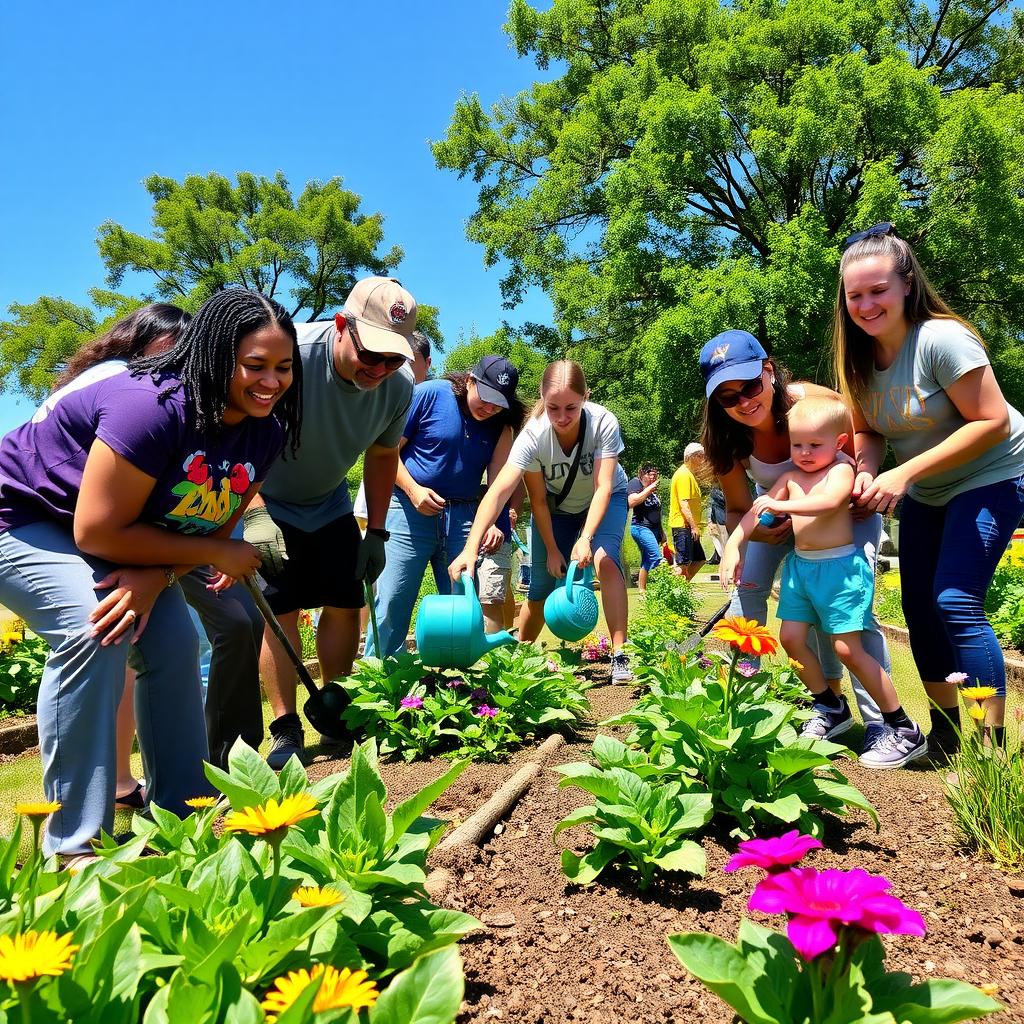
Service learning combines education with community service, making it a powerful way to engage people. If you’re wondering how to start a service learning project, begin with these steps:
- Identify Community Needs: Talk to locals to understand their priorities. For example, when I helped launch a tutoring program, we surveyed parents to find out what skills kids needed most.
- Set Clear Goals: Define what you want to achieve. Is it teaching kids to read or cleaning up a park? Clear goals keep everyone focused.
- Partner with Schools or Organizations: Schools often welcome service learning projects. Partnering with them provides structure and resources.
- Recruit Volunteers: Spread the word through social media, local flyers, or community boards. Make it easy for people to sign up.
- Reflect and Evaluate: After the project, gather feedback. What worked? What didn’t? Reflection helps improve future efforts.
Service learning projects succeed when participants feel connected to the cause. I once joined a project where students taught seniors to use smartphones. Watching both groups learn from each other was rewarding and showed how service learning bridges generations.
Encouraging Volunteer Participation
Volunteers are the heart of community engagement. To attract and keep them, try these strategies:
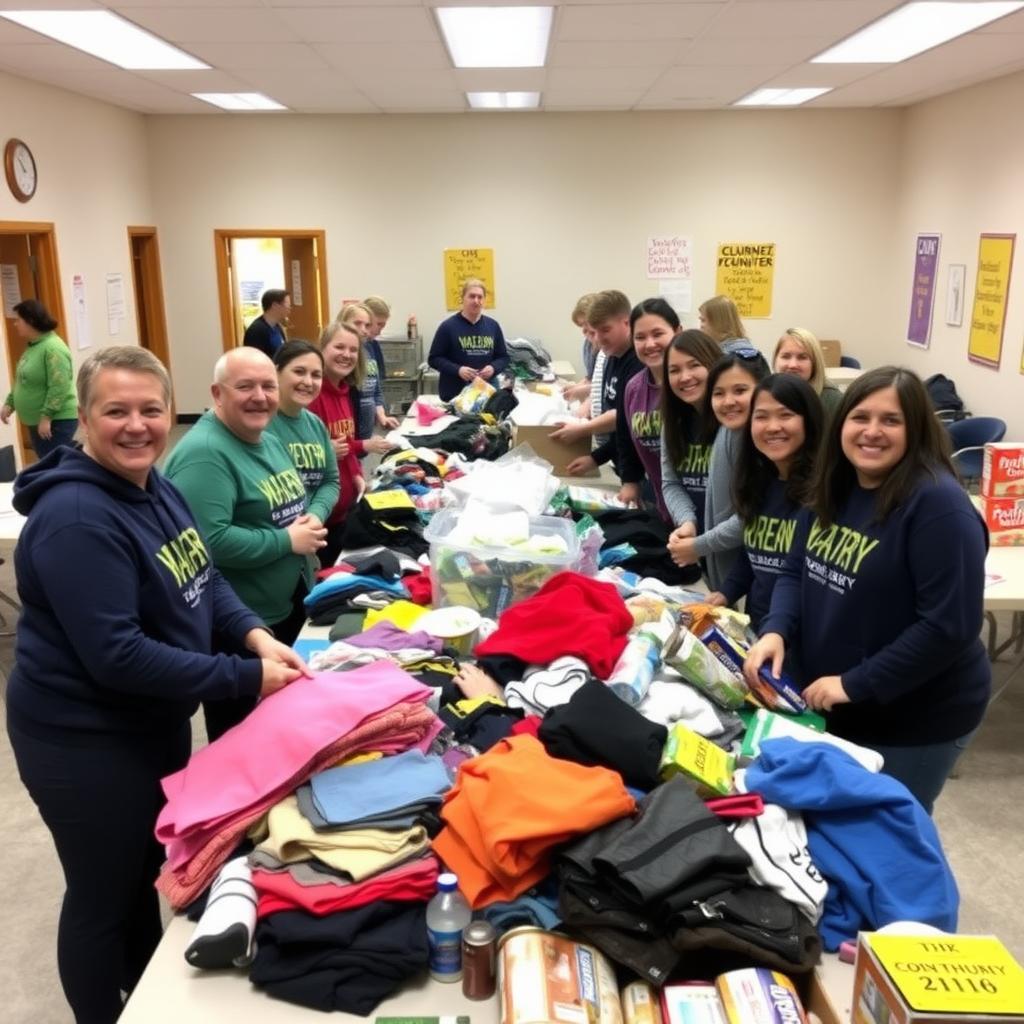
- Make It Personal: Share stories about why the work matters. When I organized a food drive, sharing stories of families we helped doubled our volunteer turnout.
- Offer Flexibility: Not everyone can commit to weekly tasks. Provide one-time or short-term options to include more people.
- Recognize Efforts: A simple thank-you note or shout-out at an event goes a long way. People want to feel appreciated.
- Create a Welcoming Environment: Ensure new volunteers feel included. Assign buddies or mentors to guide them.
Building Long-Term Engagement
One-off events are great, but lasting engagement requires ongoing effort. Here’s how to keep the momentum going:
| Strategy | Description | Example |
|---|---|---|
| Regular Communication | Keep the community updated via newsletters or social media. | Monthly emails about upcoming events. |
| Create Leadership Roles | Empower locals to take charge of projects. | Assign a volunteer to lead a park clean-up. |
| Host Inclusive Events | Plan activities that appeal to all ages and backgrounds. | Family-friendly festivals or workshops. |
| Measure Impact | Share results to show progress. | Report how many meals were served at a food drive. |
I’ve found that consistency builds trust. In one neighborhood project, we held monthly meetings to discuss progress. Over time, attendance grew because people felt their voices mattered. According to a 2023 study by Points of Light, consistent engagement increases volunteer retention by 40%.
Overcoming Common Challenges
Community engagement isn’t always smooth. Here are common hurdles and how to tackle them:
- Low Turnout: If participation is low, rethink your outreach. Try local radio or partnering with churches or schools.
- Burnout: Volunteers can get tired. Offer breaks and rotate responsibilities to keep energy high.
- Diverse Opinions: Disagreements happen. Facilitate open discussions to find common ground.
- Funding: Limited budgets can stall projects. Look for grants or crowdfunding. Sites like GrantWatch list community-focused funding options.

Personal Reflections on Engagement
From my years working on community projects, I’ve learned that listening is the most powerful tool. When I helped start a community garden, we initially planned to grow only vegetables. But after talking to residents, we added flowers because they wanted beauty, not just food. That small change made the project a neighborhood favorite.
Another lesson is to celebrate small wins. During a river clean-up, we didn’t clear all the trash in one day, but we removed enough to make the area safer for kids. Sharing those victories kept everyone motivated.
Summary
Effective community engagement is about building relationships, listening to needs, and creating opportunities for everyone to contribute. Whether through service learning or volunteer efforts, these strategies can transform communities. Start small, stay consistent, and watch your community grow stronger together.