Inspiring Success Stories of Advocacy Volunteers: Changing Lives One Voice at a Time
Explore heartfelt success stories of advocacy volunteers who turned passion into action. From helping children in foster care to bridging health gaps, these tales show the real power of volunteer work in advocacy.
5 min read
A Quick Look at the Power of Advocacy Volunteers
Every day, ordinary people step up as advocacy volunteers to fight for those who can't fight for themselves. These success stories of advocacy volunteers highlight how dedication sparks real change. From uncovering hidden needs to influencing laws, their efforts touch lives in profound ways. Ready to feel inspired? Let's dive in.
What Makes Advocacy Volunteering So Rewarding?
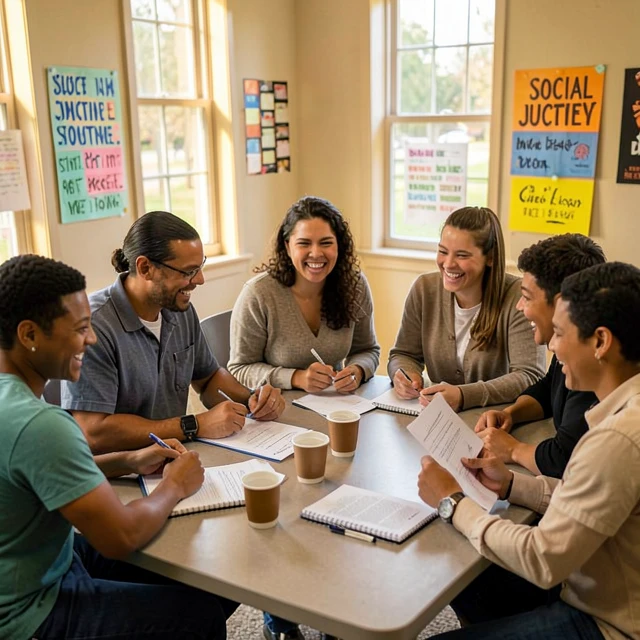
Advocacy volunteering means using your voice to support causes like child welfare, health access, or environmental justice. It's not about big speeches—it's about showing up for people. Volunteers listen, connect, and push for better systems.
Think about it: one conversation can shift a policy or save a family from hardship. According to the National CASA/GAL Association, programs with volunteer advocates see kids in foster care with fewer repeat entries into the system and better school outcomes. That's the kind of impact we're talking about here.
These roles fit anyone with a heart for helping. You don't need a fancy degree—just time and empathy. Many start with a few hours a month, attending meetings or writing letters. Over time, they build skills that last a lifetime.
Story 1: Uncovering a Hidden Diagnosis for David
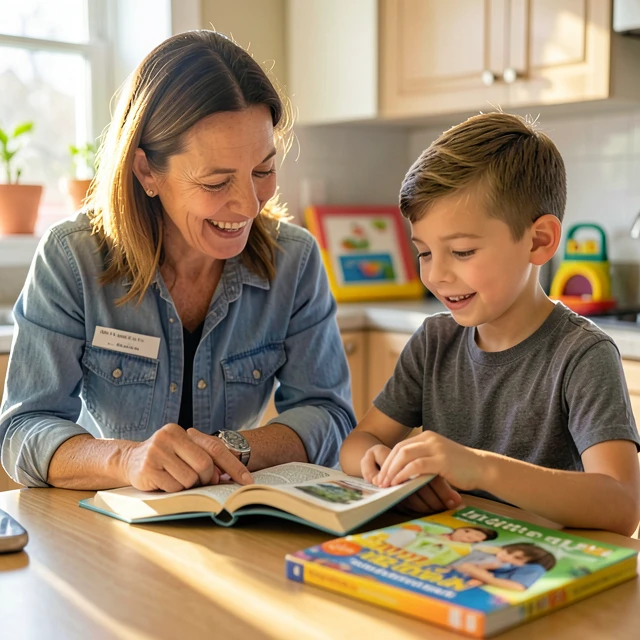
Meet Sarah, a retired teacher who joined Court Appointed Special Advocates (CASA) in New York. She got assigned to 11-year-old David, a boy bouncing between school suspensions for what everyone called ADHD and oppositional defiant disorder. David lived with his grandmother after tough family times.
During one home visit, Sarah noticed David's love for puzzles and routines. His grandma casually mentioned an old autism diagnosis from when he was five. Alarmed, Sarah dug deeper. She called the Department of Social Services, the school, and even the Committee on Special Education. No one had the records.
Undeterred, Sarah tracked down the original doctor. With proof in hand, she wrote a detailed report for the judge and rallied the team—caseworker, lawyer, everyone. The result? David's suspension lifted. He got tailored services, like therapy and a quieter classroom. Today, David thrives, making friends and earning good grades.
Sarah shares, 'Seeing David light up when he finally fit in? That's why I volunteer.' Her story shows how persistence pays off in advocacy.
Story 2: Bridging Health Gaps in San Francisco
In the bustling clinics of San Francisco General Hospital, Maria started as a Health Advocate volunteer through UCSF's program. Fresh out of college, she wanted to help immigrant families navigate America's complex health system. Many patients spoke limited English and faced barriers like transportation or confusing forms.
One day, Maria met Rosa, a single mom juggling two jobs and doctor's visits for her diabetic son. Rosa missed appointments because she couldn't afford bus fares. Maria didn't just listen—she acted. She helped fill out a MUNI pass application right there in the waiting room. That small step meant Rosa could get to check-ups, school meetings, and work without stress.
Maria's work went further. She connected families to translators and food programs. Over two years, she bridged cultural gaps for dozens, boosting her own confidence in bilingual communication. As Maria puts it, 'Handing over that pass felt tiny, but to Rosa, it opened doors.'
Volunteering here taught Maria the ropes of health disparities. She credits it for her shift toward nursing, inspired by shadowing clinic staff. For more on how such programs build skills, check UCSF's Health Advocates testimonials.
The Bigger Picture: Stats That Back the Impact
Advocacy volunteers aren't just helpers—they're changemakers. Data proves it. The Independent Sector values each volunteer hour at $34.79 in 2024, reflecting the economic punch of this work.
In child welfare alone, CASA volunteers cut foster care reentries by up to 27%, per national studies. And in policy? Over 100 cancer patient advocates once reached 88.5% of Congress through stories and letters, pushing life-saving reforms, as shared by Blood Cancer United.
| Impact Area | Key Statistic | Source |
|---|---|---|
| Child Welfare | 63.8% of advocates sustain efforts post-training | NIH Study |
| Policy Influence | Reached 385 members of Congress | Blood Cancer United |
| Economic Value | $34.79 per volunteer hour | Independent Sector |
| Foster Care Outcomes | 27% fewer reentries | National CASA |
These numbers remind us: every effort counts.
Story 3: Giving Kids a Voice Through Global Advocacy
Jessica from South Carolina grew up hearing her parents say, 'Look out for the hurting ones.' That lesson led her to World Vision's advocacy team. As a volunteer, she lobbies for laws protecting vulnerable children worldwide—from clean water access to education rights.
Jessica's big win came during a 2022 campaign for child nutrition funding. She organized town halls and wrote to senators, sharing stories of kids she'd 'met' through sponsorship letters. Her efforts helped secure extra millions in aid. 'Using my voice for those without one? It's the best gift,' Jessica says.
What started as emails turned into real connections. Jessica now mentors new volunteers, showing how local actions fuel global change. Her journey proves advocacy volunteering builds community and purpose.
Story 4: Securing a Forever Home for Stephanie
Four-year-old Stephanie entered foster care amid tragedy—her parents' substance struggles ended in loss. One CASA volunteer, Tom, a former social worker, stepped in for her case in Western Maryland. At first, things looked bright: Stephanie bonded with a loving foster mom who planned to adopt.
But bureaucracy struck. Officials moved her to a sibling group home that proved chaotic and unfit. Stephanie regressed, losing sleep and smiles. Tom acted fast. He documented her distress, alerted the caseworker and judge, and highlighted the original foster mom's commitment.
The court listened. Stephanie returned home, where she now flourishes—therapy helps her special needs, and adoption sealed her stability. Tom reflects, 'Kids like her need fighters in their corner. I just spoke her truth.' Stories like this fuel the fire for more volunteers.
Personal Insights: What These Volunteers Learned
From Sarah's detective work to Jessica's policy pushes, these success stories of advocacy volunteers reveal common threads. First, listening beats lecturing. Volunteers succeed by hearing needs first.
Second, small steps snowball. Maria's bus pass led to bigger connections. Third, growth happens both ways. Tom gained patience; volunteers often find renewed purpose.
Here's a quick list of actionable tips to start your own journey:
- Find Your Fit: Match causes to your passions—kids, health, environment?
- Start Small: Commit to one event or letter-writing night.
- Build a Network: Join groups like CASA or local health coalitions.
- Track Wins: Journal impacts to stay motivated.
- Self-Care: Advocacy can drain; recharge with support circles.
These steps turn curiosity into commitment.
Wrapping Up: Your Turn to Advocate
These success stories of advocacy volunteers prove one person can ripple change. Whether uncovering diagnoses or lobbying lawmakers, their work uplifts communities. You've seen the heart, the hurdles, and the triumphs—now imagine your story.
Volunteering in advocacy isn't easy, but it's essential. As stats show, it saves time, money, and lives. Ready to join? Local orgs await your voice. Together, we build a fairer world.