Successful Strategies for Advocacy Campaigns
Discover proven, actionable strategies to build and run effective advocacy campaigns, powered by passionate volunteers and real-world success stories.
3 min read
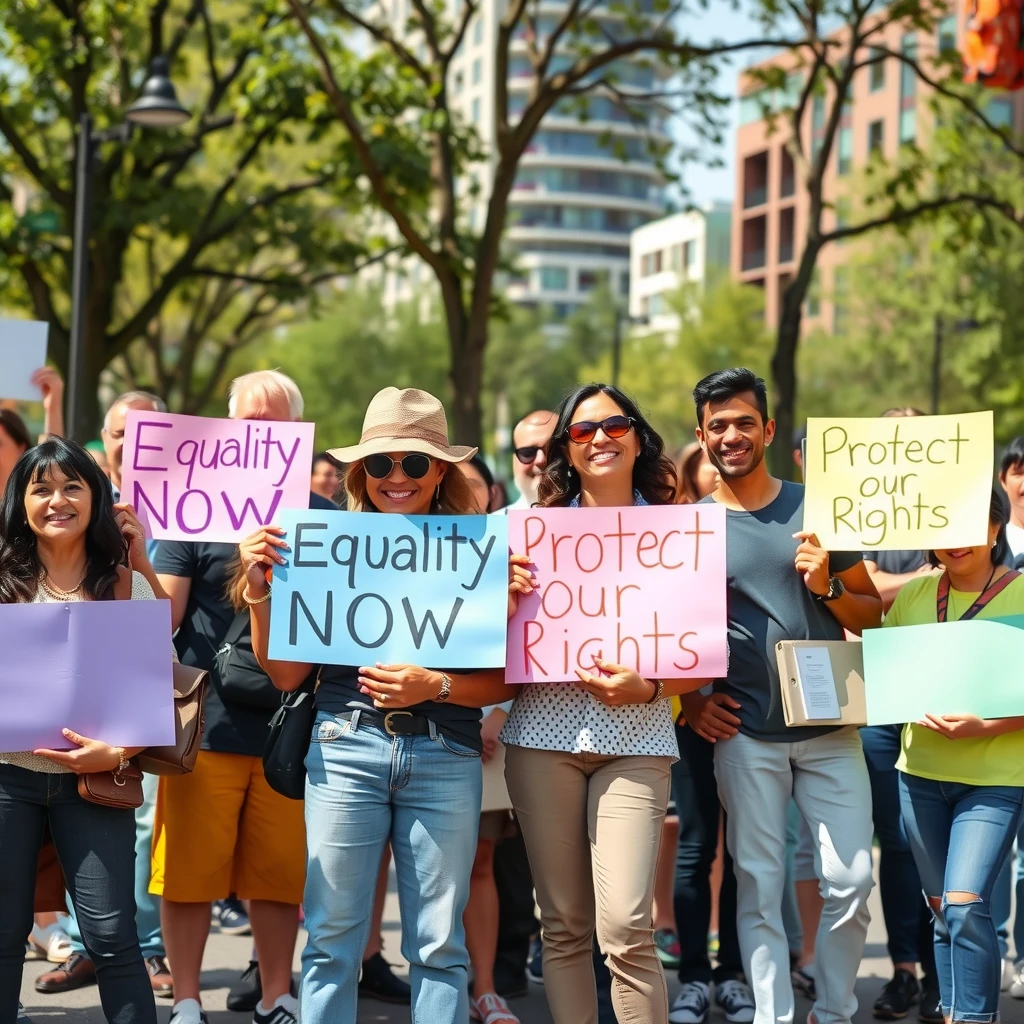
Advocacy campaigns can change laws, shift public opinion, and improve lives. With the right strategies, even small groups of dedicated volunteers can create big impact. This guide shares practical steps to make your advocacy efforts successful.

Why Advocacy Matters Today
Advocacy gives voice to issues that affect communities. Volunteers drive most successful campaigns. They bring energy, personal stories, and real connections that no paid ad can match.
Many people start as volunteers because they care deeply about a cause. Their work turns passion into action and action into change.
Key Strategies for Success
Successful strategies for advocacy campaigns start with clear planning. Here are steps that work time and again.
1. Define Your Goal Clearly
Start by asking: What exact change do you want? Make it specific, measurable, and realistic.
For example, aim to pass a local law or raise awareness among 10,000 people. Vague goals lead to scattered efforts. Clear ones keep everyone focused.
2. Know Your Audience
Understand who holds power over your issue. Is it lawmakers, company leaders, or the public?
Research their views and concerns. Tailor your message to show how your goal helps them or their voters.
3. Build a Strong Team of Volunteers
Volunteers are the backbone of advocacy. Recruit people who share your passion.
Train them on key messages and tasks. Give them roles that fit their skills, like social media, event planning, or storytelling.

4. Tell Compelling Stories
Facts matter, but stories move people. Share personal experiences from those affected by the issue.
Success stories of advocacy volunteers show this best. One volunteer might share how a policy hurt their family. That real voice builds trust and emotion.
5. Use Multiple Channels
Combine online and offline efforts. Post on social media, send emails, host events, and meet decision-makers in person.
Tools like petitions and hashtags spread your message fast. According to experts, multi-channel approaches reach wider audiences.
6. Partner with Others
Join forces with like-minded groups. Coalitions amplify your voice and share resources.
Many campaigns succeed through partnerships, as seen in human rights efforts by organizations like Amnesty International.
Real Success Stories of Advocacy Volunteers
Nothing inspires like true examples.
Take the #MeToo movement. Started by activist Tarana Burke, it exploded when survivors shared stories online. Volunteers worldwide turned personal pain into global calls for change. Laws improved, and attitudes shifted.
Another example comes from environmental advocacy. Volunteers in local groups pushed for plastic bans. Their door-to-door talks and petitions led cities to act.
These success stories of advocacy volunteers prove that ordinary people achieve extraordinary results.
In voting rights campaigns, groups like the ACLU combined legal work with volunteer mobilization. Thousands contacted lawmakers, leading to stronger protections in several states. Learn more about effective grassroots tactics in this Quorum guide to successful grassroots advocacy campaigns.
Common Challenges and How to Overcome Them
Advocacy faces hurdles like burnout or opposition.
Prevent volunteer fatigue by celebrating small wins. Keep communication open and flexible.
When facing pushback, stay factual and positive. Focus on shared values.
| Challenge | Solution |
|---|---|
| Limited budget | Rely on volunteer time and free tools like social media |
| Low engagement | Share inspiring stories and quick actions |
| Slow progress | Set short-term milestones to maintain momentum |
| Opposition | Build broad coalitions for stronger support |
Measuring Your Impact
Track progress to stay motivated and improve.
Count signatures, media mentions, volunteer hours, and policy changes.
Tools from organizations like UNICEF help evaluate advocacy efforts. See their advocacy resources for structured planning.
For more on human rights campaigning, check Amnesty International's campaign strategies and tools.

Final Thoughts
Successful strategies for advocacy campaigns combine clear goals, strong stories, and dedicated volunteers. Start small, stay persistent, and build connections.
Your effort can spark real change. Gather your team, share your message, and watch impact grow.
Ready to launch your campaign? These approaches have worked for countless groups. Draw inspiration from past wins and take action today.