How to Tackle Challenges in Advocacy Work
Explore effective strategies and real-life examples for overcoming challenges in advocacy work, especially through volunteer efforts.
3 min read
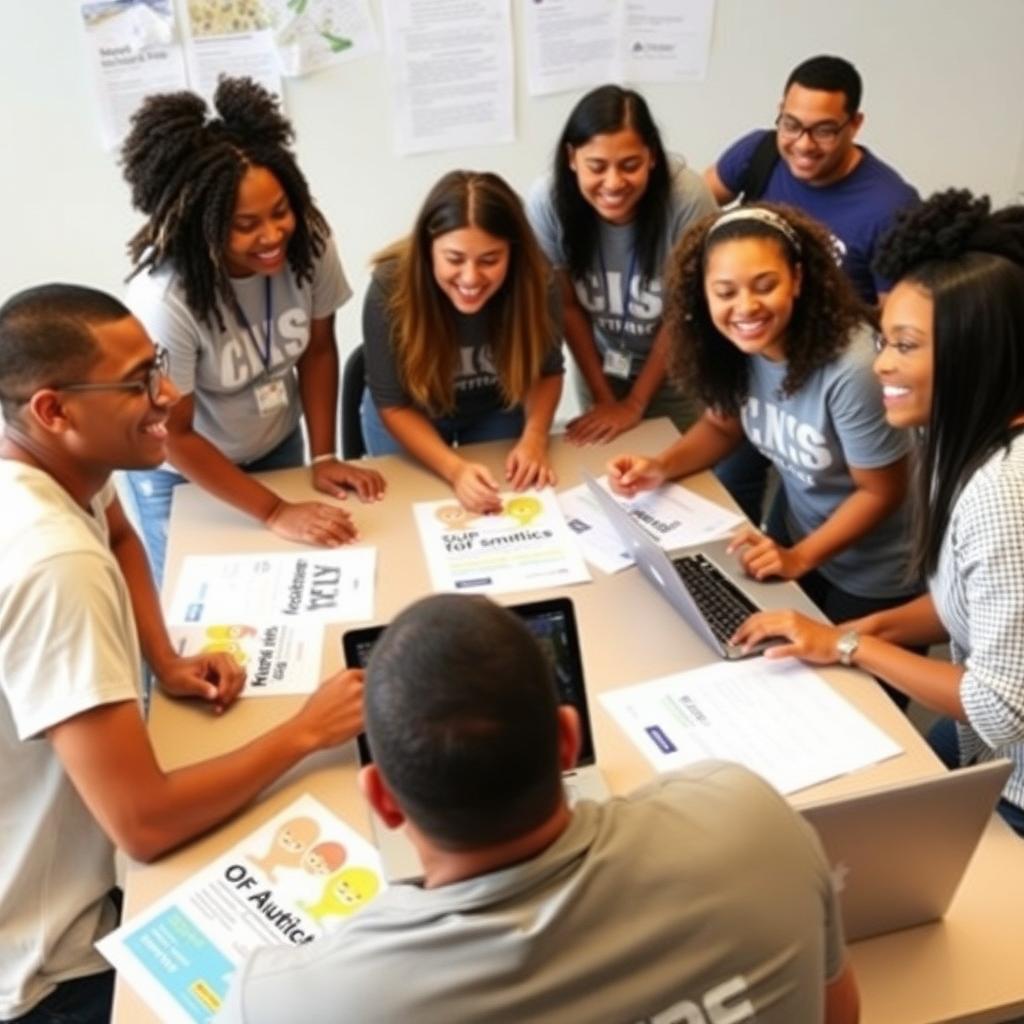
Advocacy work is about speaking up for what matters—whether it’s pushing for policy changes, raising awareness, or fighting for justice. It’s powerful, but it’s not always easy. Advocates, especially volunteers, often face tough challenges like limited resources, pushback from decision-makers, and the complexity of navigating systems like government or large organizations. But here’s the good news: these challenges can be tackled with the right strategies, tools, and mindset. In this article, we’ll explore common challenges in advocacy work, share real stories of volunteers who made a difference, and provide actionable tips and tools for beginners. Whether you’re new to advocacy or looking to sharpen your skills, you’ll find practical advice to help you succeed.

Here’s how you can tackle these obstacles head-on:
-
Build Coalitions and Partnerships
Advocacy is stronger when people work together. Partner with other organizations, community groups, or even businesses that share your goals. For example, if you’re advocating for environmental policies, team up with local green businesses or schools. Coalitions bring more resources, credibility, and voices to your cause. -
Use Effective Communication and Storytelling
People connect with stories, not just facts. Share real stories of how your cause affects people’s lives. For instance, if you’re advocating for better healthcare, tell the story of someone who struggled to get treatment. Use social media, blogs, or local news to spread these stories. -
Leverage Data and Research
Numbers can be powerful. Use data to back up your arguments. If you’re pushing for education reform, show statistics on how current policies are failing students. Websites like Pew Research or Data.gov can be great sources of reliable data. -
Practice Self-Care and Resilience
Advocacy can be emotionally draining. Make time for self-care, whether it’s taking breaks, talking to friends, or celebrating small wins. Remember, advocacy is a marathon, not a sprint.

Volunteers have been behind some of the biggest policy changes in history. Here are two inspiring examples:
- Clean Air Act Amendments (1990): Volunteers and grassroots groups played a key role in pushing for stronger air quality standards. Their protests, petitions, and lobbying efforts helped pass amendments that reduced pollution and protected public health.
- Marriage Equality in the U.S. (2015): Volunteers across the country organized rallies, shared personal stories, and lobbied lawmakers. Their tireless work helped shift public opinion and led to the Supreme Court’s decision to legalize same-sex marriage.
These wins show that with persistence and strategy, volunteers can change lives and policies.
If you’re new to advocacy, don’t worry—there are plenty of tools to help you get started:
- Social Media Platforms: Use Twitter, Instagram, or Facebook to spread your message. Hashtags like #Advocacy or #VolunteerPower can help you reach a wider audience.
- Petition Platforms: Websites like Change.org or Care2 make it easy to start petitions and gather support.
- Training Resources: Check out free online courses on advocacy from platforms like Coursera or edX. They offer beginner-friendly lessons on everything from organizing to lobbying.
Here’s a quick table comparing popular advocacy tools:
| Tool | Best For | Cost |
|---|---|---|
| Change.org | Starting petitions | Free |
| Canva | Designing flyers and posts | Free/Paid |
| Slack | Team communication | Free/Paid |
| Google Docs | Collaborative planning | Free |
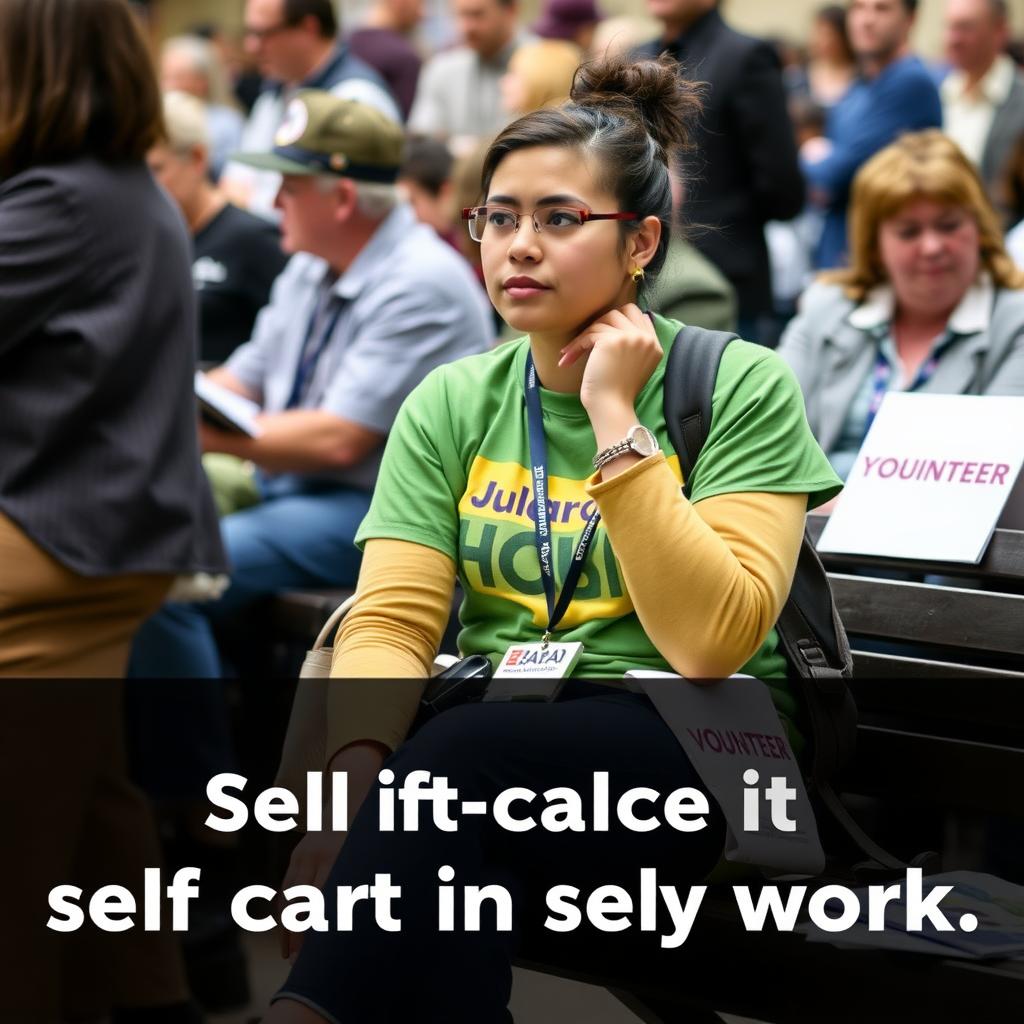
Plans don’t always work out, and that’s okay. Here’s how to adapt:
- Listen Up: Ask your team or community what’s working—or not. Fresh ideas can turn things around.
- Switch Gears: If one approach fails, try another. Can’t meet in person? Go virtual with Zoom or webinars.
- Celebrate the Little Stuff: Did you get a reply from a leader? That’s a win worth cheering.
Flexibility keeps your advocacy alive, even when things get tough.
Advocacy work has its challenges—scarce resources, resistance, and slow progress—but you can overcome them. Build teams, tell stories, use facts, and take care of yourself. Volunteers have changed policies before, from cleaner air to equal rights. With persistence, you can too.