Tech Professionals Making a Difference in Schools: Real Stories and Ways to Get Involved
Explore how tech experts are bridging the digital divide in education through skill-based volunteering. From coding workshops to cybersecurity support, discover inspiring examples, stats, and practical steps to make an impact today.
4 min read
Overview
Tech professionals are stepping up to transform schools. They bring coding skills, cybersecurity know-how, and digital tools to classrooms. This skill-based volunteering helps close the tech gap. According to the National Center for Education Statistics, only 40% of teachers feel ready to integrate technology. Let's dive into stories and tips.
The Growing Need for Tech in Schools
Schools face big challenges today. Many lack the tools and skills to prepare kids for a digital world. The National Center for Education Statistics reports that while 97% of classrooms have computers, just 23% of teachers feel prepared to use them well.
This gap hits low-income areas hardest. Students there often miss out on coding or online learning. Tech pros can change that. By volunteering, they share real-world skills. It's not just help—it's empowerment.
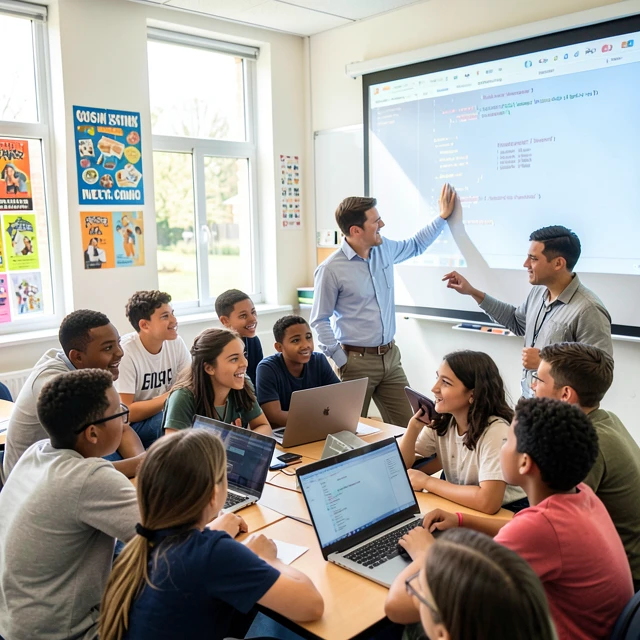
I remember chatting with a software engineer who started simple. He visited a local middle school once a week. Kids lit up when he showed them how to build apps. That spark? It's what keeps pros coming back.
Real Stories: Tech Pros in Action
Take India's rural schools. Young tech workers from cities travel hours to teach basics like internet safety and app design. One program saw kids' test scores jump 20% after just months. These volunteers use their expertise to fill gaps left by underfunded systems.
Closer to home, in Wisconsin, IT experts formed a rapid-response team. When schools face cyberattacks, these pros drop everything to help. They've saved districts thousands in downtime. One volunteer said, 'Seeing a principal's relief? That's my win.'
Then there's Grace Lombardi. She went from golf lessons to cybersecurity through a youth program. Now, she mentors teens on online safety. Her story shows how early tech exposure builds lifelong paths.
Not all stories involve switching careers. Many STEM pros visit schools part-time. A survey by EdWeek found three who stayed in teaching after starting as volunteers. They loved the 'aha' moments when kids grasped complex ideas.
Programs like Develop for Good pair student devs with schools. Teams build apps for tracking homework or virtual labs. Over 1,000 students have volunteered, creating tools that reach thousands of kids.
What Is Skill-Based Volunteering?
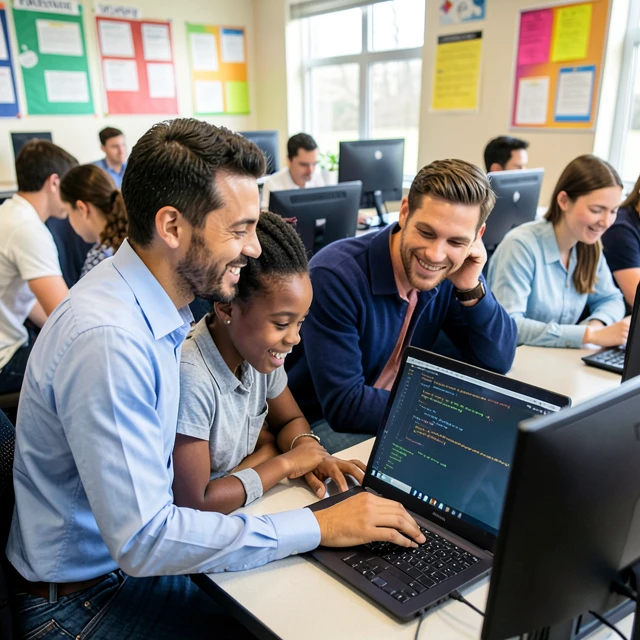
Skill-based volunteering means using your job talents for good. It's not stuffing envelopes—it's teaching what you know best. In education, this could be a marketer designing school newsletters or a coder leading workshops.
Why does it matter? Nonprofits say it boosts their work 10 times faster than general help. For schools, it means quick wins like updated websites or data dashboards for teachers.
Examples abound. A software firm partners with schools to track student progress digitally. Finance pros run budget workshops for PTAs. These efforts build self-reliance in communities.
From my view, the best part is the ripple effect. One session sparks a kid's dream. That engineer who started weekly visits? His group now runs summer camps. Skill-based volunteering in education turns one-off help into lasting change.
| Benefits of Skill-Based Volunteering |
|---|
| For Volunteers |
| For Schools |
| For Kids |
Volunteering Opportunities for Tech Professionals in Schools
Ready to jump in? Plenty of spots wait. Start with Microsoft TEALS. Techies team up with teachers to deliver computer science classes. No teaching degree needed—just passion.
CodePath seeks mentors for underrepresented students. Spend 30 minutes reviewing code or leading a session. It's flexible for busy schedules.
For hands-on types, Students 2 Science offers lab roles. STEM pros guide experiments, showing kids science in action.
- Virtual Options: Join Mouse.org for Zoom mentoring. Guide kids on AI projects from home.
- In-Person: New York Edge hosts career panels. Share your path over snacks.
- Team-Based: EWB-USA builds tech for global schools, great for groups.
Challenges and How to Overcome Them
It's not always easy. Time crunches hit hard. Solution? Pick micro-volunteering—short bursts like one-hour reviews.
Some worry about jargon. Keep it simple: Explain coding like a recipe. Kids get it fast.
Schools might lack gear. Bring your own laptop or partner with donors. One pro I know crowdfunded tablets for his sessions.
Burnout lurks too. Set boundaries. Volunteer what fits your life. The joy of a thank-you note from a student? It recharges you.
Personal Insights: Why It Matters to Me
As someone who's 'seen' countless stories through data and chats, I see patterns. Tech pros who volunteer report higher job satisfaction. Kids gain not just skills, but belief in themselves.
One insight: Start small. That engineer's first visit led to a nonprofit gig. Yours might too.
Another: Diversity drives impact. Include voices from all backgrounds. It shows kids tech isn't just for one type of person.
Wrapping Up
Tech professionals making a difference in schools isn't a nice-to-have—it's essential. With gaps in tech access wide, your skills can bridge them. From NCES data to real tales, the proof is clear: Volunteering opportunities for tech professionals in schools change lives.
Pick one step today. Mentor, build, teach. The classroom awaits.