The Art of Volunteer Engagement: Keeping Your Team Motivated
Discover The Art of Volunteer Engagement: Keeping Your Team Motivated with proven strategies for Creating a Volunteer Team That Lasts. Learn best-practices-in-volunteer-program-management, tips for Developing Impactful Volunteer Programs, and best practices in advocacy volunteering that drive real results.
4 min read
The Art of Volunteer Engagement: Keeping Your Team Motivated explores simple, proven ways to inspire volunteers and build teams that last. Volunteers give freely, yet many organizations watch them drift away. This guide shares real steps you can take today to create energy, connection, and lasting impact.
Volunteers power everything from food banks to advocacy campaigns. Without them, most nonprofits would struggle to exist. Yet keeping them excited year after year is not automatic. It takes intention and care.
In my years coordinating volunteer programs for local causes, I saw the same pattern repeat. Teams that felt heard and valued stayed for years. Those that felt like cogs in a machine left quickly. The difference always came down to how we treated people, not how much work we gave them.
Strong volunteer teams do more than fill roles. They bring fresh ideas, local knowledge, and genuine passion. They turn one-time helpers into lifelong advocates. The secret lies in understanding what truly drives them.

Research shows volunteers have six core motivations. These include helping others, learning new skills, building friendships, advancing careers, feeling good about themselves, and protecting against personal problems. Organizations that match roles to these motivations see far higher engagement.
A study from Cornell University’s Bronfenbrenner Center for Translational Research confirms this. When volunteer experiences line up with personal reasons for giving time, both recruitment and retention improve dramatically. Read the full volunteer motivation research from Cornell University.
Think about your own volunteers. One person might join for career experience while another wants to meet like-minded friends. Ask them directly. Their answers will guide you better than any guess.
Creating a Volunteer Team That Lasts starts with clear communication. Share the bigger picture. Show how each hour contributes to real change. People stay when they see their work matters.
Regular feedback makes a huge difference. A comprehensive literature review from AmeriCorps found that volunteers who receive recognition and performance feedback report higher satisfaction and stronger intent to continue. Simple thank-you notes or quick check-ins work wonders. Explore the complete Engaging Volunteers literature review from AmeriCorps.
Here are five best-practices-in-volunteer-program-management that I use every time:
- Match tasks to skills and interests right from the start
- Offer flexible schedules that respect busy lives
- Provide free training that builds confidence
- Create social events so volunteers make friends
- Celebrate wins both big and small
I once ran a neighborhood cleanup program where we added a monthly pizza night. Attendance doubled and people started bringing friends. The social piece turned a chore into a community gathering.
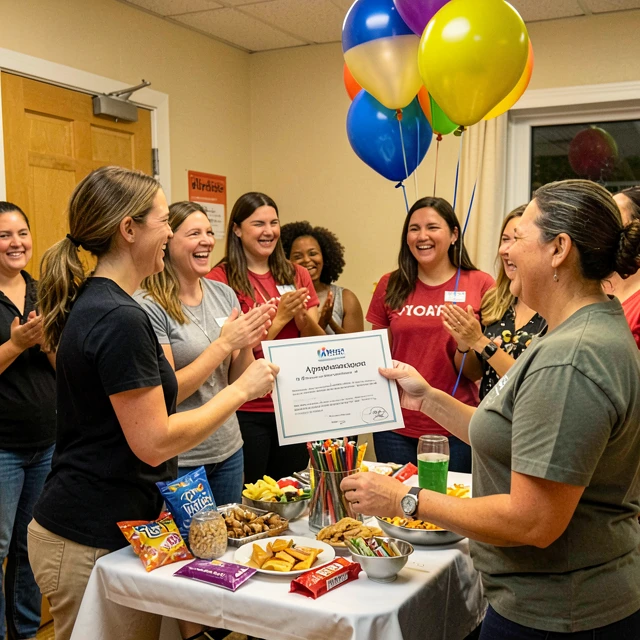
Developing Impactful Volunteer Programs means thinking beyond basic tasks. Design roles that grow with people. Start new volunteers with easy wins, then offer leadership chances as they gain experience.
Track impact with simple numbers. The University of Maryland’s Do Good Institute reports that median volunteer retention sits around 70 percent in recent years. Organizations that measure hours, stories, and outcomes keep more people longer. Review the full State of Volunteer Engagement report from the Do Good Institute.
Best practices in advocacy volunteering take this further. Train volunteers on clear messages. Let them practice speaking in safe settings first. Give them real tools like talking points and success stories.
One advocacy group I supported let volunteers choose their own focus areas. Some wrote letters while others attended meetings. Choice created ownership. Those volunteers became powerful voices because they believed in their part of the work.
| Strategy | Benefit | Quick Tip |
|---|---|---|
| Personalized roles | Higher satisfaction | Survey volunteers quarterly |
| Regular recognition | Stronger loyalty | Send handwritten notes |
| Flexible options | Fewer dropouts | Offer virtual and in-person |
| Impact reports | Deeper connection | Share monthly success stories |
| Leadership paths | Long-term commitment | Promote top volunteers |
Challenges will come. Burnout hits when schedules feel too rigid. Combat it with time-off options and clear boundaries. Boredom appears when tasks never change. Rotate responsibilities and add new projects.
Listen actively. Hold short feedback sessions every few months. Ask what works and what needs fixing. Volunteers who feel heard stay longer and recruit others.
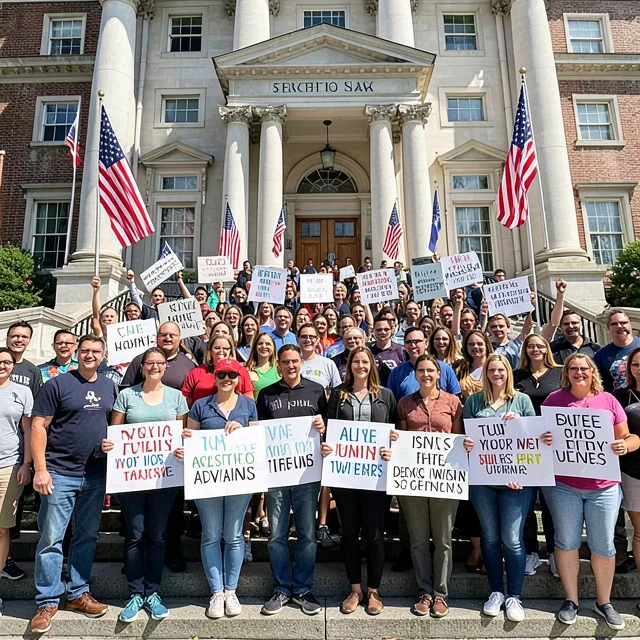
Measure what matters. Count not just hours but also stories of changed lives. Survey satisfaction twice a year. Adjust based on real feedback. Small tweaks create big results.
The Art of Volunteer Engagement: Keeping Your Team Motivated is within reach for every organization. Focus on people first. Match roles to motivations. Recognize effort openly. Build real community. Develop programs that grow with your volunteers.
When you do these things, you create more than helpers. You build advocates who stay for years and spread your mission everywhere they go. Start with one new practice this week and watch the difference.
Your volunteers want to make a difference. Give them the support, respect, and connection they deserve. The team that lasts begins with the care you show today.