The History of Advocacy: Lessons from the Past
Explore The History of Advocacy: Lessons from the Past and uncover how ordinary people created lasting change. Discover Community Wins: How Advocacy Transforms Lives, practical steps in Volunteer Advocacy: How to Join the Movement, and see How Advocacy Leads to Community Change through accessible advocacy programs for volunteers.
4 min read
The History of Advocacy: Lessons from the Past is more than just dates and names. It is a story of courage and determination that has shaped our society. Ordinary people stood up for what they believed in and created lasting change. Today, these lessons guide us in Volunteer Advocacy: How to Join the Movement and show How Advocacy Leads to Community Change through advocacy programs for volunteers.
Advocacy means using your voice to support a cause or group. It has a rich history filled with inspiring examples. By studying the past, we gain wisdom for the future.
Early Advocacy Efforts
The roots of modern advocacy trace back to the 19th century. The abolitionist movement fought to end slavery in the United States. Leaders such as Frederick Douglass published newspapers and gave powerful speeches that moved audiences to action. Harriet Tubman risked her life to lead enslaved people to freedom through the Underground Railroad. These advocates used petitions, meetings, and personal stories to build support. Their work eventually led to the Emancipation Proclamation in 1863 and the end of slavery after the Civil War.
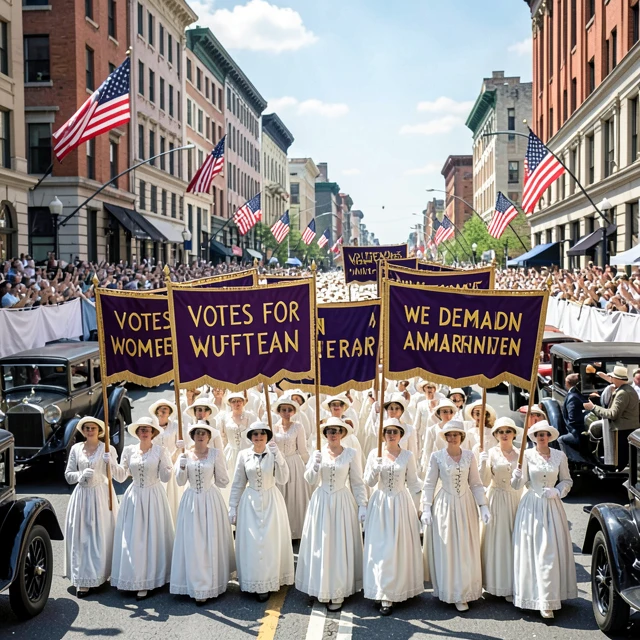
Following that success, the women's rights movement took center stage. In 1848, a group gathered in Seneca Falls, New York, to demand equal rights for women. Susan B. Anthony and Elizabeth Cady Stanton led the charge for suffrage. They organized conventions, wrote letters to politicians, and marched in parades despite opposition. After 72 years of hard work, the 19th Amendment passed in 1920, giving women the right to vote. This victory opened doors for future generations and proved that steady, organized effort can overcome deep resistance.
Major 20th Century Movements
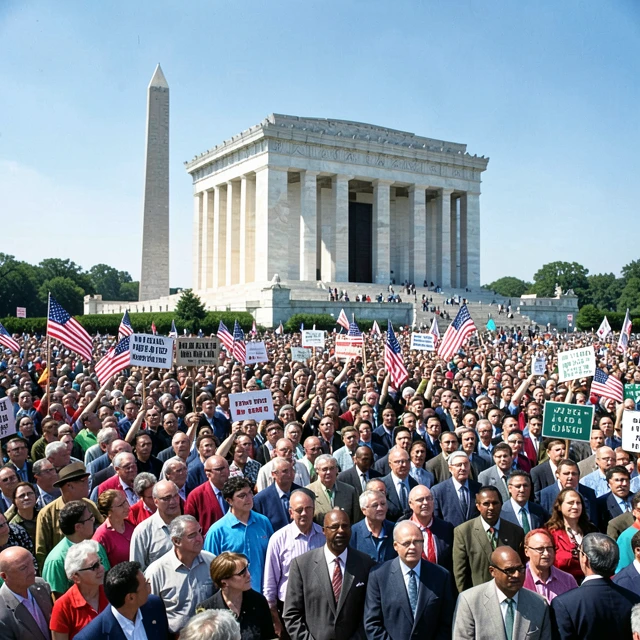
The 20th century brought even more powerful examples of advocacy. The civil rights movement stands out as one of the most impactful in American history. In the 1950s and 1960s, African Americans and their allies fought against segregation and racial discrimination. Martin Luther King Jr. used nonviolent protest and delivered his famous 'I Have a Dream' speech during the March on Washington in 1963. This event, along with boycotts, sit-ins, and freedom rides, pressured lawmakers. It led to the Civil Rights Act of 1964 and the Voting Rights Act of 1965. Lives changed dramatically as barriers fell and opportunities expanded. Explore more at the History Channel website (https://www.history.com/topics/black-history/civil-rights-movement).
At the same time, environmental advocacy grew stronger. Rachel Carson's book Silent Spring in 1962 exposed the harm of chemicals and inspired a new movement. It led to the first Earth Day in 1970 and the establishment of the Environmental Protection Agency. Clean water and air laws followed, protecting communities for decades.
Other notable efforts include the disability rights movement, which culminated in the Americans with Disabilities Act in 1990, making public spaces accessible. The LGBTQ+ rights movement gained momentum after the Stonewall riots in 1969 and achieved marriage equality across the United States in 2015. These movements prove that advocacy can overcome huge obstacles when people stay united.
Key Lessons from History
The History of Advocacy: Lessons from the Past reveals clear patterns that still apply today. Strong leadership inspires action. Grassroots efforts build momentum from the ground up. Combining strategies like protests, legal action, and media outreach maximizes impact. Embracing diversity brings in more supporters and ideas. Above all, persistence through setbacks leads to success. Most big changes took years or decades.
You can see these lessons in a timeline of milestones:
| Period | Movement | Major Outcome |
|---|---|---|
| 1800s | Abolitionist | End of slavery |
| 1848-1920 | Women's Suffrage | 19th Amendment |
| 1950s-1960s | Civil Rights | Civil Rights Act |
| 1960s-1970s | Environmental | EPA creation |
| 1990 | Disability Rights | ADA passed |
| 2015 | LGBTQ+ Rights | Marriage equality |
Community Wins: How Advocacy Transforms Lives
When advocacy succeeds, it creates Community Wins: How Advocacy Transforms Lives. The civil rights movement reduced discrimination and improved economic chances for millions. Environmental laws have lowered pollution and extended lifespans. Local advocacy has preserved green spaces and enhanced education systems. These wins go beyond numbers – they foster hope, equality, and stronger neighborhoods where people thrive every single day.
How Advocacy Leads to Community Change
How Advocacy Leads to Community Change begins with raising awareness. Advocates share stories and facts to highlight problems. They then organize groups and lobby for solutions. Over time, public pressure results in new policies and cultural shifts. For example, mental health advocacy has increased funding for services in many areas. The process demands commitment but yields benefits for all residents.
Volunteer Advocacy: How to Join the Movement
Volunteer Advocacy: How to Join the Movement has never been more accessible. Advocacy programs for volunteers exist in nearly every community and cause. To get started, pick an issue close to your heart. Research reputable organizations through their websites. Sign up for their volunteer programs, which often include training sessions on effective techniques. Start small with actions like petition signing or letter writing. As you gain confidence, take on bigger roles such as organizing events.
Many programs partner with schools and companies to make participation easy. The rewards include new skills, friendships, and the satisfaction of real impact. Advocacy programs for volunteers often provide resources like templates and mentors to help you succeed right away.
In my years of following and participating in these efforts, nothing compares to the moment when a campaign succeeds. Supporting a volunteer advocacy initiative once helped secure better funding for local youth programs, directly improving life for hundreds of kids and showing me the true power of collective action.

Wrapping Up the Lessons
To sum up, The History of Advocacy: Lessons from the Past provides a roadmap for effective action. By embracing these insights, we can all contribute to positive shifts. Whether through Community Wins: How Advocacy Transforms Lives or personal involvement in advocacy programs for volunteers, the power lies in collective effort. Start today and become part of the next great chapter of change.