The Impact of Volunteering on Educational Institutions
Discover how volunteering shapes schools, enhances student growth, and fosters community connections through real stories and expert insights.
4 min read
Overview
Volunteering in educational institutions boosts learning and community ties. It helps students gain skills, supports teachers, and brings fresh ideas to schools. This article explores the broad effects, including skill-based volunteering in education.
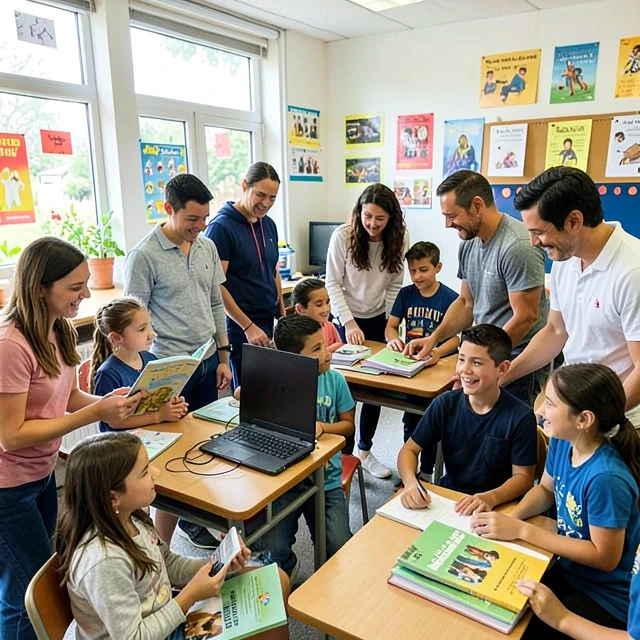
Volunteering changes lives in schools every day. People from all walks of life step in to help. They tutor kids, organize events, or share their expertise. This support makes a big difference.
Think about a busy classroom. Teachers work hard, but they can't do everything alone. Volunteers fill those gaps. They bring energy and new views that enrich learning.
Why Volunteering Matters in Education
Schools face many challenges today. Budget cuts and large classes make it tough. Volunteers help ease these issues. They provide extra hands and minds.
Volunteering builds stronger communities. When locals get involved, schools become hubs for connection. Parents, professionals, and retirees all play a part.
Research shows clear benefits. Students who interact with volunteers often do better in school. They gain confidence and new skills.
For example, according to the National Center for Education Statistics, young people who volunteer during high school continue to serve in adulthood. This creates a cycle of giving back.
Benefits to Students
Students thrive with volunteer support. Extra help in reading or math can turn struggles into successes.
Volunteers act as role models. They show kids what careers look like. A scientist volunteer might spark interest in STEM fields.
Social skills grow too. Group activities teach teamwork and empathy. Kids learn to respect different views.
Here are key student benefits: - Improved grades and test scores - Better attendance - Higher self-esteem - Exposure to real-world skills
Benefits to Teachers and Schools
Teachers get a break with volunteers. They can focus on planning while helpers handle small groups.
Schools save money. Volunteers bring free resources like books or tech tools.
Innovation happens. Outside experts introduce new teaching methods. This keeps education fresh.
A study from the Higher Education Research Institute at UCLA notes that incoming college students value community service. Many want to lead in their communities.
Skill-Based Volunteering in Education
Skill-based volunteering takes helping to the next level. Professionals share their expertise directly.
Instead of general help, they apply specific skills. This matches what schools need most.
For instance, a marketer might help with school fundraising. Or an accountant could teach basic finance.
This type of volunteering creates lasting change. Schools get professional-level support without cost.
Volunteers gain too. They practice skills in new settings. It builds their resumes and networks.
Research from PubMed Central shows long-term effects. Volunteering in youth leads to better education and earnings later.
Volunteering Opportunities for Tech Professionals in Schools
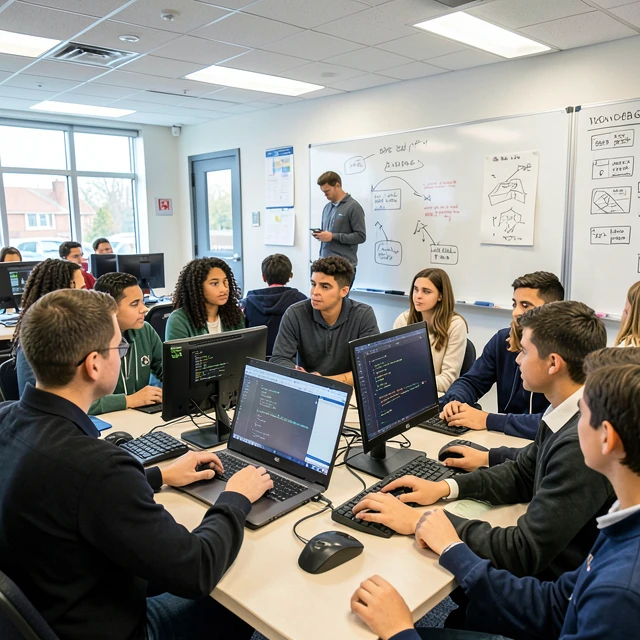
Tech pros have unique chances to volunteer. Schools need help with digital tools.
They can teach coding basics. Or set up computer labs. Even mentor on cybersecurity.
Programs like Microsoft TEALS connect tech experts with classrooms. Volunteers team up with teachers to build computer science courses.
This skill-based volunteering in education bridges gaps. Many schools lack tech resources.
Tech volunteers inspire kids. They show tech careers are reachable. Diverse role models matter.
One volunteer shared: 'I taught web design to middle schoolers. Seeing their excitement made my day. It reminded me why I love tech.'
Challenges and Solutions
Not everything is easy. Volunteers need training. Schools must coordinate well.
Background checks ensure safety. Time conflicts arise for busy professionals.
Solutions include flexible schedules. Online volunteering works too.
Schools can partner with companies. This creates steady volunteer pools.
Personal Insights from the Field
I've seen volunteering transform schools firsthand. In one program, volunteers tutored at-risk students.
Grades improved dramatically. Kids who struggled began to shine.
Another time, a tech pro fixed outdated computers. Suddenly, online learning became possible.
These stories show real impact. Volunteering isn't just help; it's investment in the future.
Statistics That Tell the Story
Numbers back up the benefits. Let's look at some key data.
| Statistic | Source | Impact |
|---|---|---|
| 59% of youth volunteer weekly | National Center for Education Statistics | Builds lifelong habits |
| 77% of freshmen value helping others | UCLA HERI | Increases community focus |
| Volunteering boosts earnings | PubMed Study | Long-term economic gains |
These figures highlight the wide-reaching effects.
How to Get Started
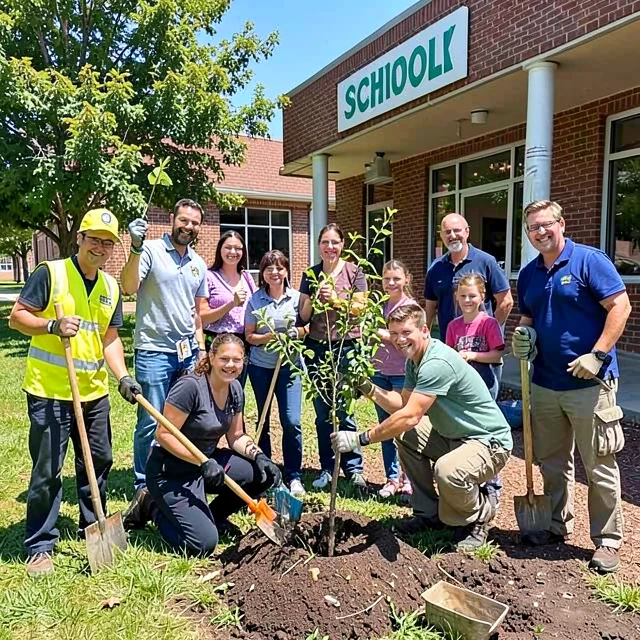
Ready to volunteer? Start local. Contact your nearby school.
Look for programs that match your skills. Tech folks, check TEALS or similar.
Commit to regular times. Consistency helps most.
Track your impact. Share stories to inspire others.
Summary
The impact of volunteering on educational institutions is profound. It enhances learning, supports staff, and strengthens ties. Skill-based volunteering adds even more value, especially for tech professionals in schools.
Everyone wins. Students grow, volunteers fulfill, and communities thrive. Start today and see the change.