The Impact of Volunteerism on Career Development: Building Skills and Opportunities Through Service
Discover how volunteerism shapes career growth with real skills, networks, and advantages. Explore the benefits of volunteering, including international programs for college students, and get actionable tips to boost your professional path.
4 min read
Overview
Volunteerism offers far more than a good feeling. It directly influences career paths by building practical skills, expanding networks, and making resumes stand out. Whether you are a college student or a mid-career professional, giving back through volunteer work can accelerate your development in unexpected ways. This article explores the real impact of volunteerism on career development with practical insights and examples.
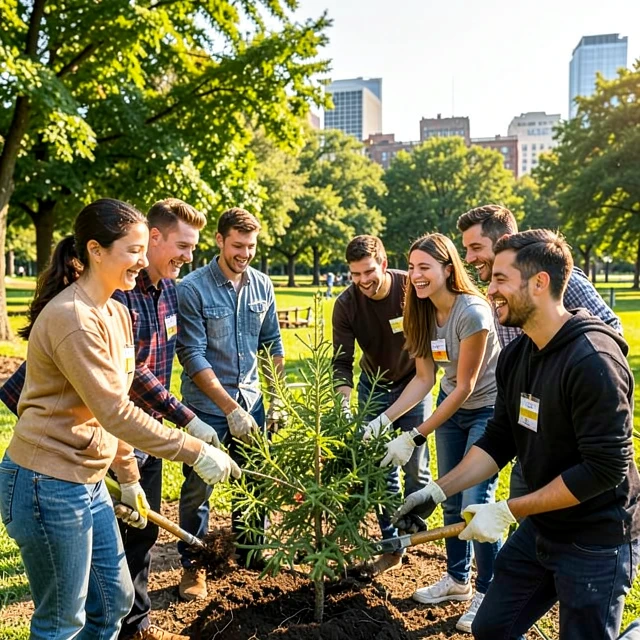
In today's competitive job market, employers look for candidates who bring more than technical knowledge. They want people with leadership experience, cultural awareness, and proven initiative. Volunteer work provides exactly that. According to the Corporation for National and Community Service, individuals who volunteer have a 27% higher chance of finding employment compared to those who do not. This advantage holds across different backgrounds and job markets.
How Volunteerism Builds Essential Career Skills
When you volunteer, you step into real-world situations that test and grow your abilities. You might organize events, manage teams, handle budgets, or communicate with diverse groups. These experiences translate directly to workplace success.
For example, leading a fundraising drive teaches project management and persuasion skills. Coordinating volunteers hones leadership and delegation abilities. Many people discover hidden strengths through service that they later apply in paid roles.
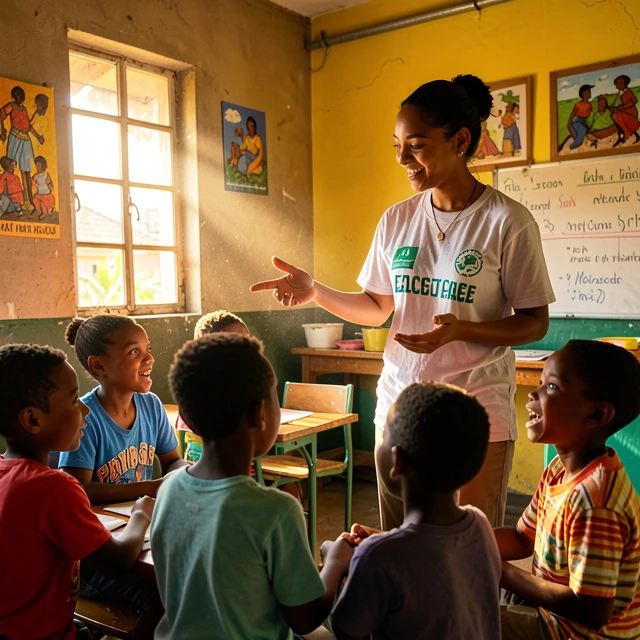
Simple language helps here: volunteering lets you practice skills without the pressure of a full-time job. You learn by doing. A college student tutoring children might improve communication and patience. Someone helping at a food bank could develop logistics and teamwork expertise. These are transferable skills that recruiters notice.
International Volunteer Programs for College Students: A Game Changer
International volunteer programs for college students stand out as powerful experiences. Spending time abroad while serving communities provides cultural immersion that textbooks cannot match. You return with global perspectives, adaptability, and stories that make interviews memorable.
Participants often build language skills, learn to navigate new environments, and develop empathy. These qualities appeal strongly to employers in global industries. Many universities now recognize these programs with academic credit, blending service with learning.
One recent graduate shared how her summer in an international volunteer program in Southeast Asia changed her path. She helped with community health initiatives and returned more confident and clear about her career goals in public health. The experience added depth to her resume and led to meaningful conversations during job interviews.
Research from reputable sources supports this. Strategic volunteering helps build networks and demonstrate initiative. Employers value candidates who show commitment beyond paid work. Learn more about strategic volunteering benefits from Walden University.
Personal Insights: Real Stories of Career Growth
Meet Sarah, a marketing professional who started volunteering at a local nonprofit. What began as weekend help with social media turned into a leadership role. She managed campaigns that reached thousands, gaining experience she later used to land a promotion at her day job.
Or consider Mike, an engineering student who joined habitat builds. The hands-on problem-solving and teamwork prepared him better for internships than classroom work alone. His volunteer projects became portfolio highlights that impressed hiring managers.
These stories are common. Volunteerism often reveals passions and career directions you might not discover otherwise. It also combats burnout by providing purpose outside daily routines.
Networking and Opportunities Through Volunteer Work
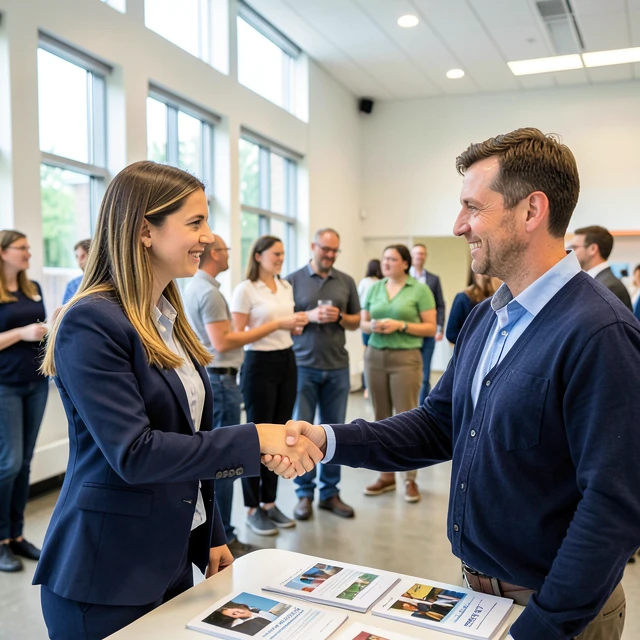
Volunteering connects you with people from various fields who share values. These connections often lead to job leads, mentorships, or collaborations. Unlike formal networking events, service creates genuine bonds based on shared goals.
Many organizations host volunteer days that mix employees with community members. Participating shows your commitment and opens doors. Studies indicate that workplace volunteer programs boost engagement and even retention.
Actionable Tips to Maximize Career Benefits
- Choose strategically: Align volunteer roles with your career goals. If you want leadership experience, seek coordinator positions.
- Document everything: Keep records of achievements, skills used, and impact created. Quantify results when possible, such as 'Led team of 15 volunteers raising $5,000.'
- Reflect regularly: Think about what you learned and how it applies to your professional life.
- Start small: Even a few hours monthly can build momentum.
- Explore international options: Look into reputable international volunteer programs for college students that match your interests and schedule.
Use tables to compare opportunities if needed, but focus on consistent effort. Track your progress and update your resume regularly with new experiences.
Potential Challenges and How to Overcome Them
Time constraints worry many people. Start with short-term commitments or virtual volunteering. Balance is key—service should energize, not exhaust you.
Another concern is choosing ethical programs, especially international ones. Research organizations carefully to ensure positive community impact. Focus on skill-based volunteering where your professional expertise helps sustainably.
Long-Term Career Advantages
Over time, consistent volunteerism builds a strong personal brand as someone who takes initiative and cares about more than a paycheck. This appeals to socially conscious companies. It can also lead to board positions, speaking opportunities, or consulting roles.
The 27% employment boost is just one statistic. Add improved confidence, broader perspectives, and a robust network, and the advantages compound.
In summary, the impact of volunteerism on career development is profound and multifaceted. It equips you with skills, connections, and experiences that set you apart. Start today—find a cause that matters to you and take that first step. Your future self and career will thank you.