The Impact of Volunteers on Community Development: Building Stronger Communities Together
Discover the profound impact of volunteers on community development. Learn practical ways to engage volunteers, organize successful events, and create lasting positive change in your neighborhood.
4 min read
Overview
Volunteers are the heartbeat of thriving communities. Their selfless efforts drive real change, from cleaner parks to stronger support networks. This article explores the impact of volunteers on community development and shares actionable tips to get involved or lead your own initiatives. Whether you're a nonprofit leader or a concerned neighbor, you'll find valuable insights here.
The Real Impact of Volunteers on Community Development
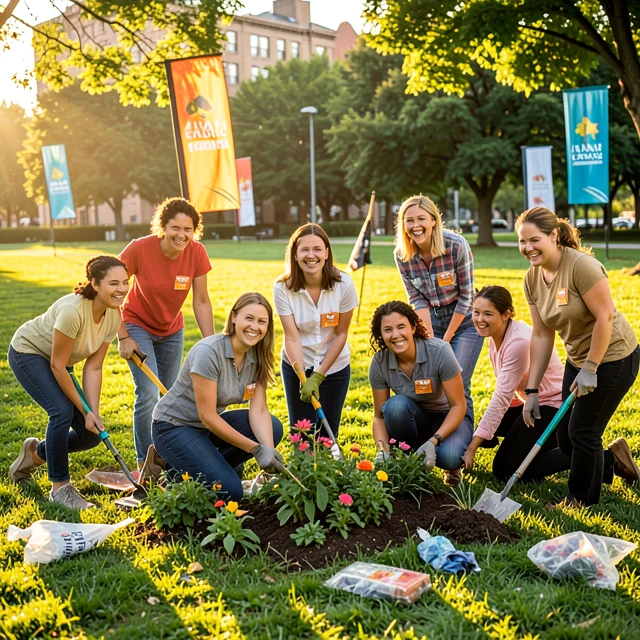
Volunteers transform neighborhoods in ways that money alone cannot achieve. They bring energy, skills, and local knowledge that fuel sustainable growth. Studies consistently show that communities with active volunteer bases enjoy better social connections, improved public spaces, and stronger local economies.
When people give their time, they create ripple effects. A single volunteer project can inspire dozens more to join. This builds pride and ownership among residents.
Think about it: volunteers help repair homes for elderly neighbors, tutor children after school, and organize health fairs. These actions strengthen the social fabric. They reduce isolation and create support systems that make communities more resilient during tough times.
Personal Stories That Highlight the Difference
I once joined a weekend project organizing a community service event in my hometown. What started as picking up trash along a river turned into neighbors sharing stories and ideas for future improvements. By the end of the day, we had plans for a new walking trail.
Stories like this happen everywhere. Volunteers often discover hidden talents in themselves while helping others. One retired teacher I know started a free reading program that boosted literacy rates in her area.
How to Engage Volunteers for Your Next Community Event
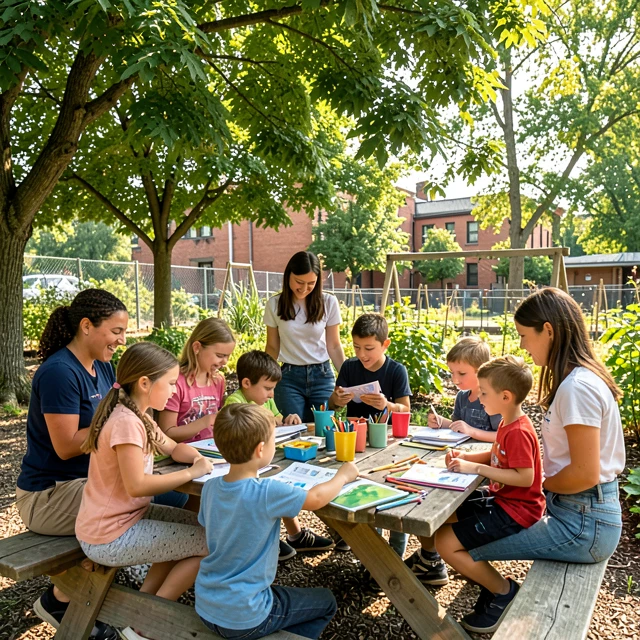
Getting people to show up is the first hurdle. Start by clearly communicating the purpose and impact. People want to know their time will make a difference.
Use social media, local bulletin boards, and word of mouth. Make the ask personal. Reach out to schools, businesses, and faith groups. Offer flexible scheduling options so busy people can participate.
Recognize contributions publicly. A simple thank-you note or social media shout-out goes a long way. Create roles that match different skill levels and interests.
Provide proper training and supplies. Nothing frustrates volunteers more than feeling unprepared. Clear instructions and supportive leadership keep morale high throughout the event.
Organizing a Community Service Event That Succeeds
Successful events need good planning. Begin with a clear goal. Do you want to clean a park, build a playground, or host a food drive?
Form a small planning team. Assign tasks like publicity, logistics, and volunteer coordination. Set a realistic timeline and budget. Even small events benefit from checklists.
Service learning opportunities work especially well with schools and universities. Students gain real-world experience while contributing to the community. This approach creates mutual benefits and long-term partnerships.
Safety comes first. Check weather forecasts, arrange insurance if needed, and have first aid kits on hand. Follow up after the event with photos and impact reports to maintain momentum.
Tips for Successful Fundraising Events
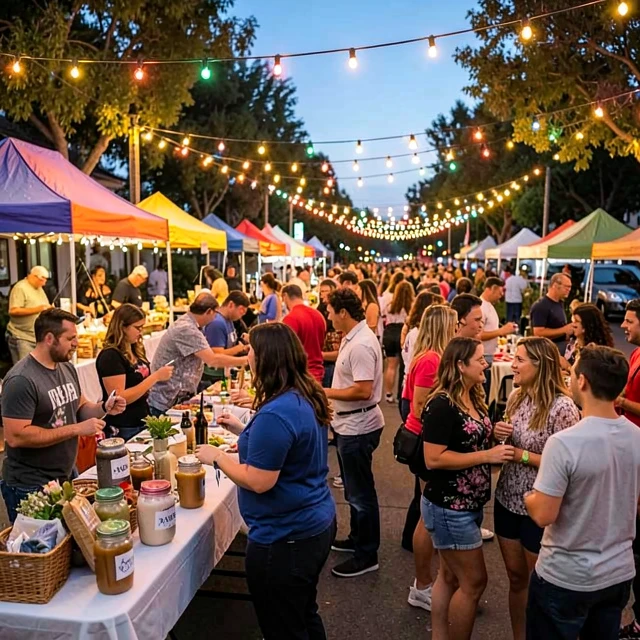
Fundraising keeps projects alive. Combine it with volunteer efforts for maximum impact. Host fun runs, bake sales, or talent shows that also build community spirit.
Here are practical tips:
- Set clear goals: Tell donors exactly how their money will be used.
- Create engaging experiences: People give more when they have fun.
- Leverage volunteer networks: Volunteers can sell tickets and spread the word.
- Use technology: Online donation platforms make giving easy.
- Follow up: Thank donors and share results to encourage future support.
Track what works and adjust for next time. Successful fundraising often leads to repeat donors and dedicated volunteers.
Challenges Volunteers Face and How to Overcome Them
Burnout is real. Rotate leadership roles and celebrate wins to keep energy high. Some projects struggle with low turnout during bad weather or busy seasons.
Address this by having backup plans and multiple communication channels. Inclusivity matters too. Welcome people of all backgrounds and abilities to broaden participation.
Measuring Success Beyond Numbers
Count more than just volunteer hours. Look at improved neighborhood conditions, new friendships formed, and skills learned. Surveys and before-and-after photos help document progress.
Long-term impact shows when projects continue without the original organizers. That's true success in community development.
Getting Started Today
You don't need permission or a big budget to begin. Pick one small project that matters to you. Reach out to a few friends or neighbors. The impact of volunteers on community development starts with that first step.
Whether through service learning programs or local cleanups, your efforts count. Communities grow stronger when people show up for each other.
Conclusion
Volunteers are powerful agents of positive change. Their dedication improves lives, strengthens bonds, and creates places where people want to live and work. By learning how to engage volunteers effectively, organizing meaningful events, and applying smart fundraising strategies, anyone can contribute to healthier communities.
Start small, stay consistent, and watch the transformation unfold.