The Power of Advocacy: How to Make a Difference
Discover the power of advocacy and learn how to start an advocacy campaign that drives real change. This comprehensive guide offers actionable steps, personal insights, and practical tips to empower volunteers and activists to make a lasting impact in their communities.
4 min read
Overview
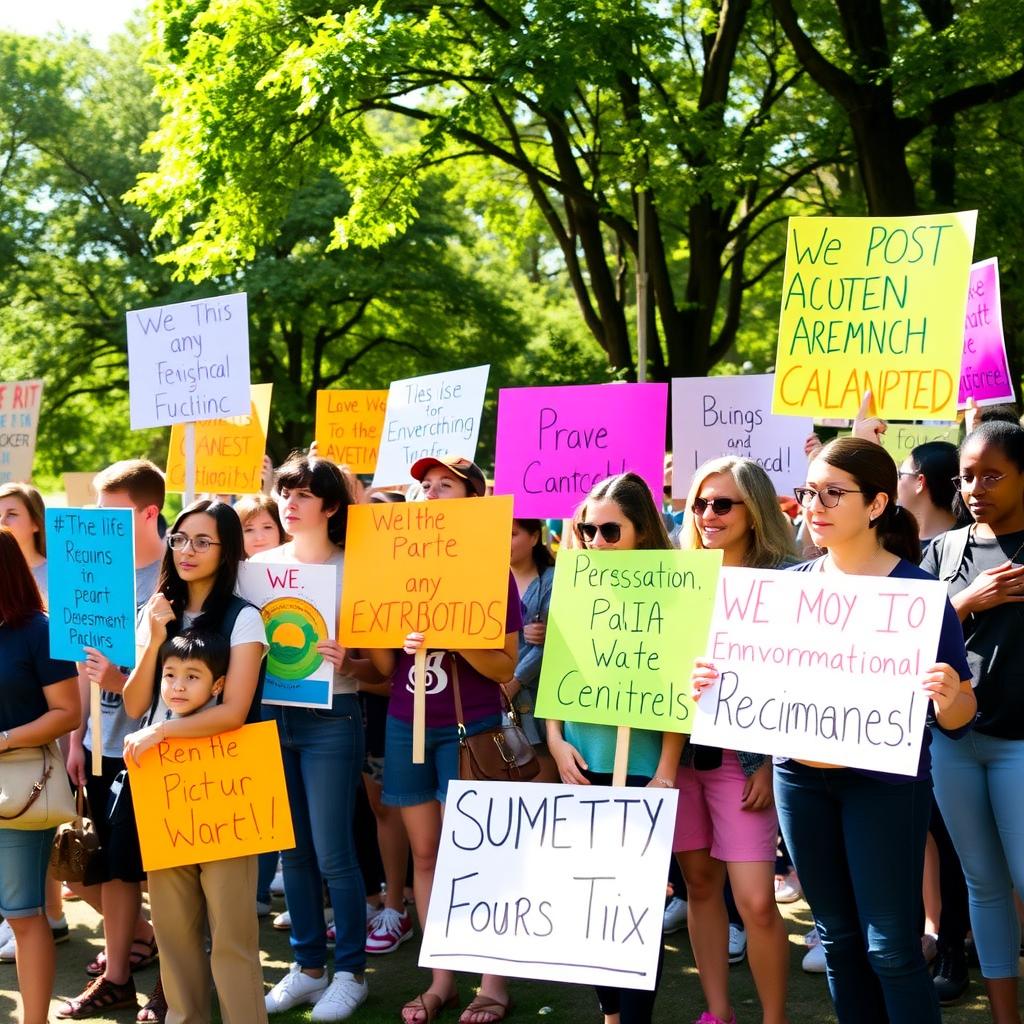
Advocacy is a powerful tool for creating change. Whether you're passionate about environmental issues, social justice, or local community needs, understanding The Power of Advocacy: How to Make a Difference can transform your passion into action. This guide explores how to start an advocacy campaign, shares personal insights, and provides practical steps for volunteers to drive meaningful impact.
What Is Advocacy?
Advocacy is about speaking up for what matters. It’s the act of supporting a cause, influencing decisions, and amplifying voices that might otherwise be ignored. From organizing petitions to raising awareness, advocacy empowers individuals to shape their communities. I pls
I first encountered advocacy as a college student volunteering at a local animal shelter. I saw how a small group of dedicated advocates changed city policies to protect stray animals. Their passion inspired me to get involved, and I learned that advocacy isn’t just for experts—it’s for anyone who cares.

Why Advocacy Matters
Advocacy drives change by bringing attention to critical issues. It’s not just about protests or petitions—it’s about building connections, educating others, and pushing for solutions. For example, advocacy campaigns have led to landmark changes like marriage equality laws and plastic bag bans. According to a 2023 study by the Pew Research Center, 68% of Americans believe grassroots advocacy significantly influences policy decisions.
The beauty of advocacy is that anyone can do it. You don’t need a degree or a title—just a commitment to making a difference. My first advocacy experience taught me that even small actions, like sharing a petition with friends, can spark a movement.
How to Start an Advocacy Campaign
Starting an advocacy campaign might sound daunting, but it’s easier than you think. Here’s a step-by-step guide to get you started:
- Choose Your Cause: Pick an issue you’re passionate about. It could be climate change, education reform, or healthcare access. Your passion will keep you motivated.
- Research the Issue: Understand the problem deeply. Gather facts, statistics, and stories. For example, if you’re advocating for clean water, learn about local water quality issues.
- Set Clear Goals: Define what success looks like. Do you want a new law, more funding, or public awareness? Clear goals guide your efforts.
- Build a Team: Recruit volunteers who share your vision. A diverse team brings different skills and perspectives.
- Create a Plan: Outline your actions—petitions, social media campaigns, or community events. Set timelines and assign roles.
- Engage Decision-Makers: Contact local officials, attend town halls, or write letters. Be polite but persistent.
- Spread the Word: Use social media, flyers, or local media to raise awareness. Keep your message clear and compelling.
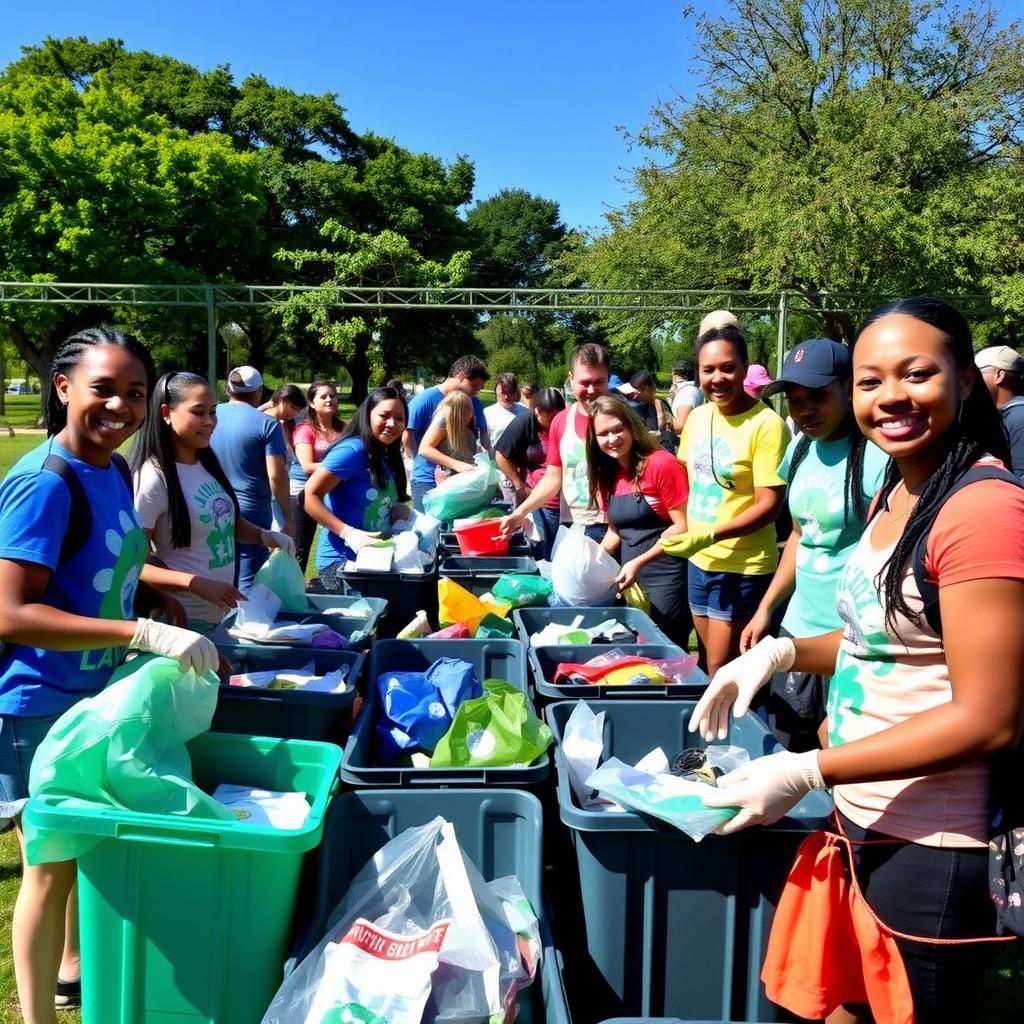
When I started a campaign for better recycling programs in my town, I began with a small group of friends. We researched local waste management policies and organized a community cleanup event. Within months, our town council agreed to expand recycling bins.

The Role of Volunteers in Advocacy
Volunteers are the heart of any advocacy campaign. They bring energy, ideas, and numbers to your cause. Whether it’s handing out flyers, organizing events, or sharing posts online, volunteers amplify your message. In my recycling campaign, our volunteers ranged from high school students to retirees, each contributing unique skills.
To engage volunteers effectively:
- Communicate Clearly: Share your goals and why they matter.
- Offer Flexible Roles: Not everyone can lead—some prefer behind-the-scenes tasks like data entry or design.
- Show Gratitude: A simple thank-you note or shoutout goes a long way.
- Provide Training: Teach new volunteers how to talk about the cause confidently.
Volunteers don’t just help—they become advocates themselves, spreading the word further.
Overcoming Challenges
Advocacy isn’t always smooth sailing. You might face skepticism, burnout, or slow progress. I remember feeling discouraged when our recycling campaign hit a funding roadblock. But we pivoted, focusing on free community events to keep momentum.
Here are common challenges and solutions:
| Challenge | Solution |
|---|---|
| Lack of Support | Share personal stories to connect emotionally with others. |
| Limited Resources | Use free tools like social media or community spaces. |
| Burnout | Take breaks and celebrate small wins to stay motivated. |
| Opposition | Listen to critics, address concerns, and find common ground. |
Persistence is key. Even small steps forward count.
The Impact of Small Actions
You don’t need to change the world overnight. Small actions—like writing a letter, posting on social media, or talking to a neighbor—add up. In my experience, a single conversation with a local business owner led to them adopting sustainable packaging, inspiring others to follow.
Consider these small actions:
- Share Knowledge: Post a fact or story about your cause online.
- Connect Locally: Join community groups or attend local meetings.
- Support Others: Amplify other advocates’ voices by sharing their work.
Every step builds momentum. According to a 2024 report by the Center for American Progress, grassroots campaigns often lead to policy changes within 1-2 years.
Measuring Success
Success in advocacy isn’t always about winning. It’s about progress. Track your impact with metrics like the number of petition signatures, event attendees, or policy changes. In our campaign, we celebrated when our town added 50 new recycling bins—a small but real victory.
Ask yourself:
- Did you raise awareness?
- Did you inspire others to act?
- Did you influence a decision?
These are all signs of success. Keep learning and adapting as you go.
Summary
The Power of Advocacy: How to Make a Difference lies in your ability to turn passion into action. By starting an advocacy campaign, engaging volunteers, and taking small, consistent steps, you can create lasting change. Advocacy is about persistence, connection, and belief in your cause. Start today—your voice matters.