The Role of Advocacy in Community Development
Learn how advocacy drives community development, with success stories of advocacy volunteers and practical steps to get involved.
3 min read

Advocacy is a key driver of change in communities everywhere. It’s about speaking up for people’s needs and rights, pushing for improvements, and making a real impact. Whether it’s better schools, cleaner parks, or fair policies, advocacy shapes stronger, healthier communities. In this article, we’ll dive into The Role of Advocacy in Community Development, highlight success stories of advocacy volunteers, and show you how to join the effort.
What Is Advocacy?
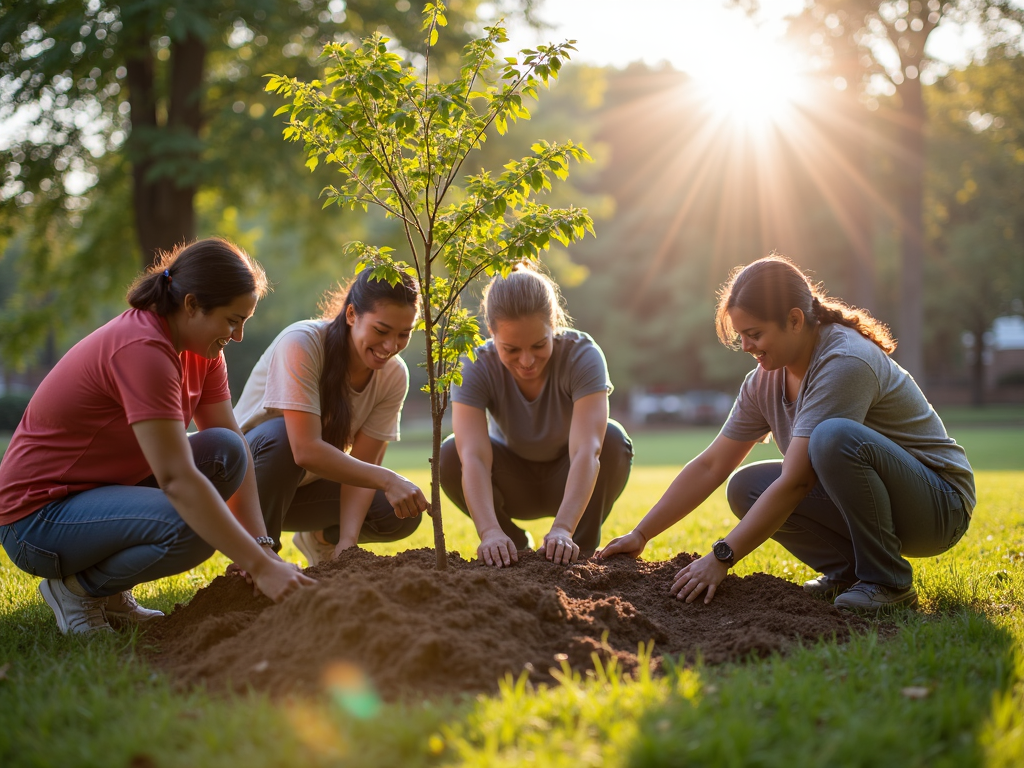
Advocacy means standing up for a cause or group and pushing for change. It’s not just talk—it’s action. Advocates might meet with leaders, rally support, or share stories to spark progress. In community development, advocacy tackles big issues like poverty, housing, or education.
There are different ways to advocate:
- Policy Advocacy: Changing laws or rules, like pushing for more school funding.
- Community Advocacy: Fixing local problems, like starting a food drive.
- Individual Advocacy: Helping one person at a time, like guiding someone to health services.
Every type matters. Together, they build stronger communities.
Why Advocacy Matters in Community Development
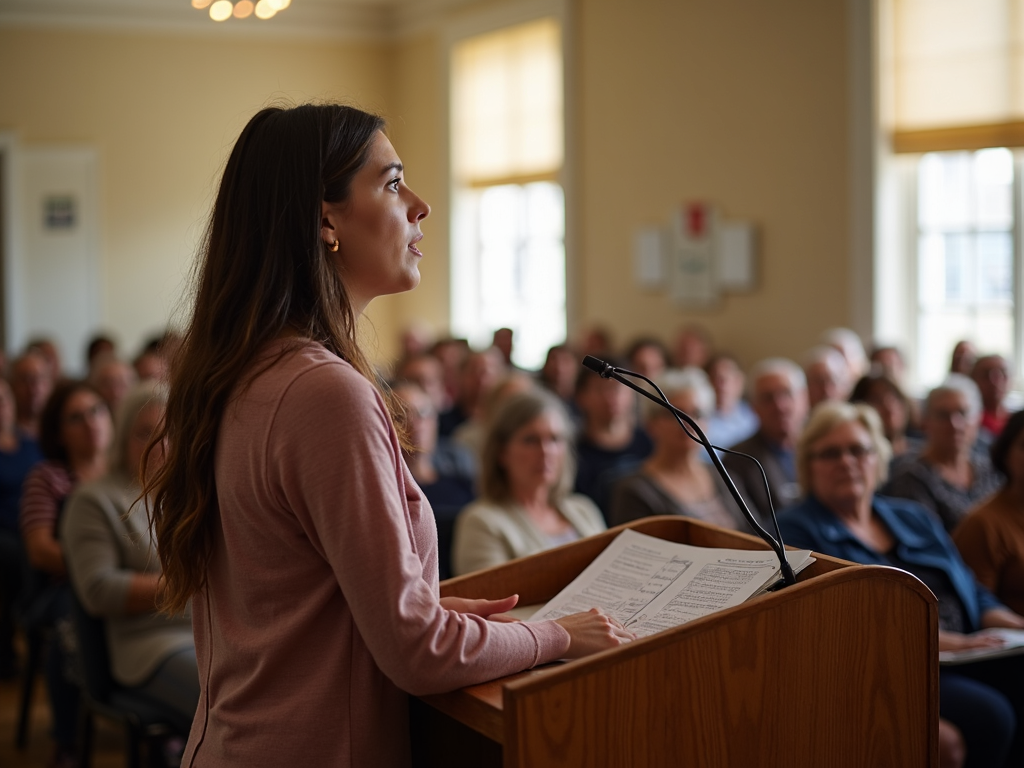
Communities grow when people speak up. Advocacy makes sure everyone’s voice counts—especially those often ignored. It can shift policies, bring in resources, and wake up a neighborhood to its own power.
Take parks, for example. In some cities, advocacy turned empty lots into playgrounds. Or housing—volunteers fighting for affordable homes have cut homelessness rates. A 2020 report from the National Council of Nonprofits says advocacy has unlocked billions for community projects. That’s real change.
Without it, problems linger. Advocacy bridges the gap between what is and what could be.

Success Stories of Advocacy Volunteers
Real people make advocacy work. Their stories inspire us.
In Ohio, a volunteer named Sarah saw kids missing school because buses didn’t reach her area. She gathered signatures, met with officials, and won a new route. Now, kids get to class—and jobs are easier to reach too.
Then there’s Miguel in Oregon. He started a community garden after noticing families lacked fresh food. His team got donations and built it together. Today, it feeds dozens and brings neighbors closer.
In Atlanta, a group of advocacy volunteers tackled homelessness. They shared data, held rallies, and got a new shelter funded. One resident said, 'I have a bed now because they didn’t give up.'
These wins show what’s possible.

How You Can Get Involved in Advocacy
Want to help? You don’t need experience—just passion. Here’s how to start:
- Pick Your Cause: What bugs you? Maybe it’s dirty streets or unfair rents.
- Find Allies: Join groups already working on it—local clubs or online networks.
- Volunteer: Offer your time. Write letters, make calls, or plan events.
- Learn the Ropes: Attend a town hall. See how decisions get made.
- Take Action: Start small—share a petition—or go big with your own project.
Every step counts. One voice can grow into many.

Challenges Advocates Face (And How to Beat Them)
Advocacy isn’t always easy. But knowing the hurdles helps you push through.
Here’s a quick look:
| Challenge | Solution |
|---|---|
| Not Enough Money | Team up with groups or fundraise |
| People Push Back | Listen, explain, find shared goals |
| Feeling Worn Out | Take breaks, lean on your team |
Resistance is normal—change shakes things up. But persistence pays off. The Aspen Institute found strong advocacy networks lift communities higher. Keep going.

Tools and Tips for Effective Advocacy
To make a dent, use what works. Share stories—people connect to real lives, not just numbers. Back it up with facts; a stat from a trusted source (like Urban Institute) grabs attention. Meet face-to-face when you can—emails are easy to skip.
Stay organized too. Track who you’ve talked to and what’s next. And don’t go it alone—teams amplify your voice. These basics turn ideas into action.
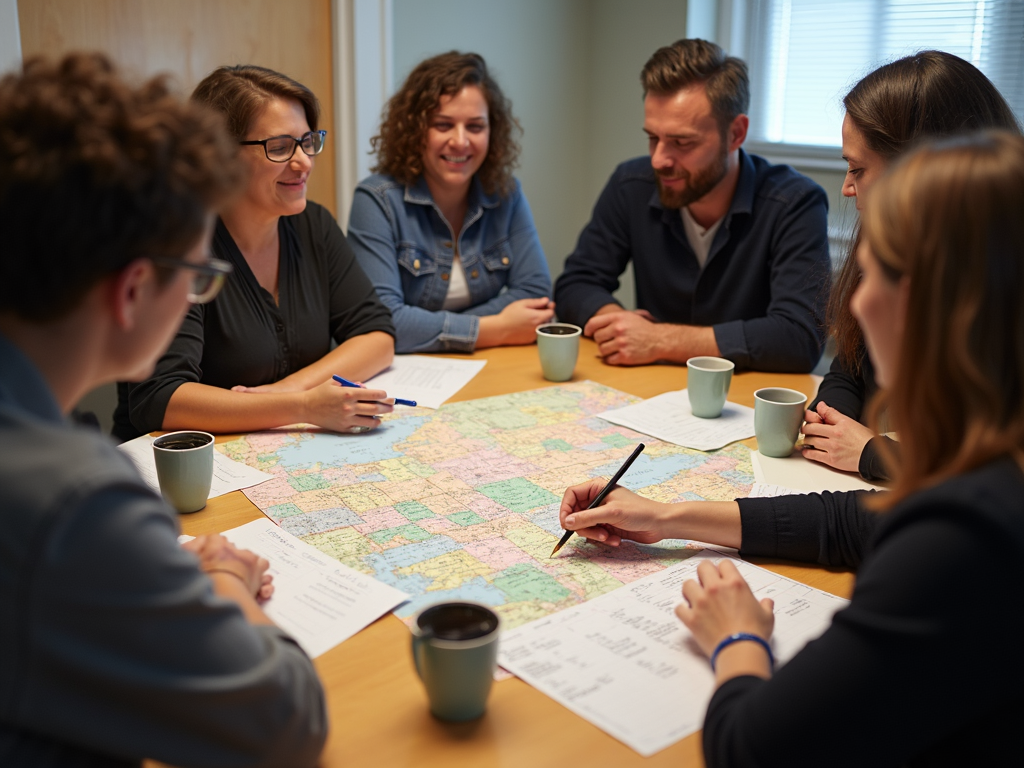
In short, The Role of Advocacy in Community Development is huge. It lifts up the overlooked, solves tough problems, and builds a better tomorrow. From success stories of advocacy volunteers to your own first steps, it’s clear: advocacy works. Get out there—your community needs you.