The Role of Advocacy in Social Change
Discover how advocacy drives meaningful social progress. From historical movements to everyday volunteer efforts, learn why speaking up and taking action remain powerful tools for creating a better world.
3 min read
Overview
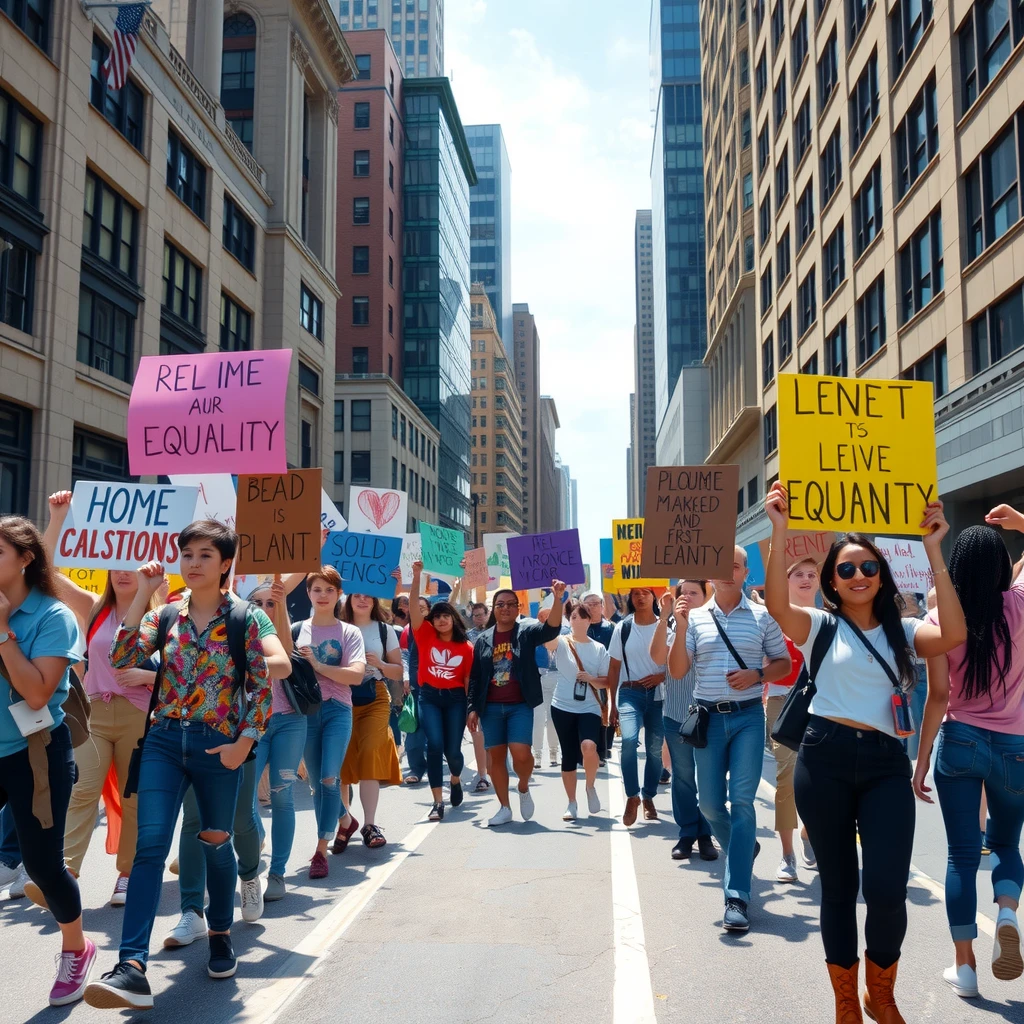
Advocacy plays a vital role in pushing society toward fairness and justice. It turns individual concerns into collective action, leading to real change. This article explores the role of advocacy in social change and shows how anyone, including volunteers, can make a difference.

What Is Advocacy?
Advocacy means speaking up for a cause. You support ideas or policies that help people or fix problems. It can happen in many ways:
- Writing letters to leaders
- Organizing events
- Sharing stories online
- Joining protests
At its heart, advocacy gives voice to those who often go unheard.
People confuse advocacy with activism sometimes. Activism often involves direct action, like sit-ins. Advocacy focuses more on influencing decisions through education and persuasion. Both work together to create change.
Historical Examples of Advocacy Driving Change
History shows the power of advocacy clearly.
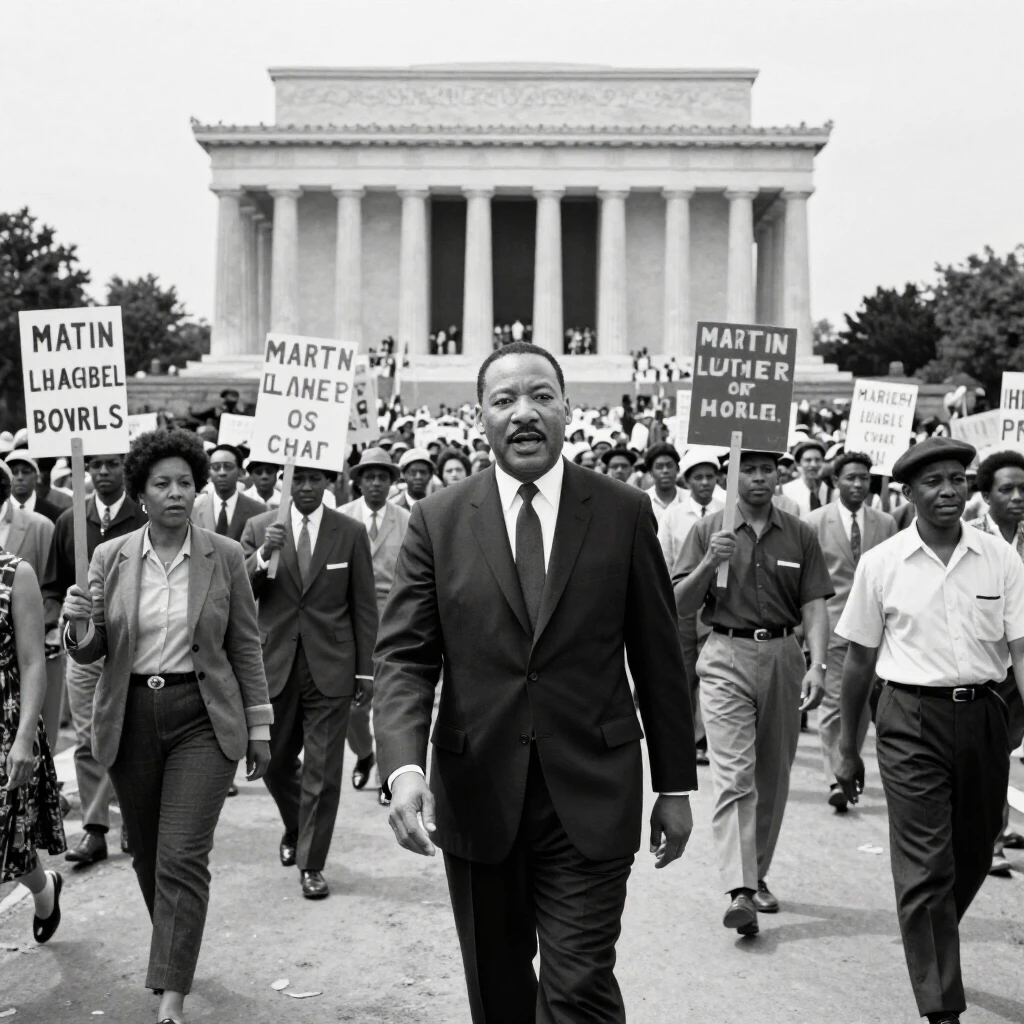
Take the Civil Rights Movement in the United States. Leaders like Martin Luther King Jr. used speeches, marches, and legal challenges to fight segregation. Their persistent advocacy led to laws like the Civil Rights Act of 1964.
Women fought for voting rights through advocacy too. Suffragettes in the early 1900s held rallies, wrote petitions, and even went to jail. Their efforts won women the right to vote in many countries.
These stories prove that sustained advocacy can shift even deeply rooted systems.
Modern Advocacy: From Global to Local
Today, advocacy tackles issues like climate change, equality, and health care.
Groups like Greenpeace use campaigns to highlight environmental damage. They pressure companies and governments to act greener.
Social media has changed the game. Hashtags like #MeToo spread awareness quickly. Millions shared personal stories, leading to new laws against harassment.
Advocacy isn't just for big organizations. Everyday people drive change too.
The Power of Volunteer Advocacy Initiatives for Social Change
Volunteers form the backbone of many movements. Volunteer advocacy initiatives for social change let ordinary people contribute time and skills.
You might:
- Canvass door-to-door for a local policy
- Organize community clean-ups
- Tutor kids in underserved areas
- Advocate for better mental health resources

I once joined a volunteer group advocating for cleaner parks in my city. We collected signatures, spoke at council meetings, and organized events. Within a year, the city added new recycling programs. That experience showed me how volunteers turn passion into policy.
How Anyone Can Become an Advocate
You don't need special skills to start. Here are simple steps:
- Learn about the issue – Read reliable sources and listen to affected people.
- Choose your method – Pick what fits you, like writing, speaking, or organizing.
- Connect with others – Join groups or start your own.
- Stay persistent – Change takes time, so keep going.
- Measure impact – Celebrate small wins to stay motivated.
Remember, every big change starts small. Your voice matters.
Challenges in Advocacy and How to Overcome Them
Advocacy faces obstacles:
- Burnout from long fights
- Opposition from powerful interests
- Misinformation spreading fast
To overcome these:
- Build support networks
- Take breaks to recharge
- Focus on facts from trusted sources
- Partner with diverse allies
In my view, the biggest challenge is feeling like one person can't make a difference. But history proves otherwise. Every volunteer who shows up adds to the momentum.
Why Advocacy Matters More Than Ever
Our world faces complex problems: inequality, climate crises, division. Advocacy bridges gaps between people and power.
It educates, mobilizes, and holds leaders accountable. Without it, positive change slows down.
Volunteers bring fresh energy and real-life perspectives that professionals sometimes miss.
Final Thoughts
The role of advocacy in social change cannot be overstated. It empowers individuals to shape a fairer society. Whether through large movements or local volunteer efforts, speaking up creates ripples that become waves.
Start today. Find a cause you care about and take one small action. Your contribution could inspire others and lead to the change we all need.