The Role of Volunteers in Advocacy: Driving Change Through Passion and Action
Discover the vital role of volunteers in advocacy, from grassroots efforts to policy wins. Learn training essentials, real-life impacts, and how you can join the movement for lasting change.
4 min read
A Quick Overview
Volunteers stand at the heart of advocacy. They turn passion into action, amplify voices, and push for real change. In this article, we dive into The Role of Volunteers in Advocacy, share training tips, and explore how everyday people make a big difference. Whether you're new or seasoned, get ready to see why volunteer work powers movements.
Why Volunteers Fuel Advocacy Success
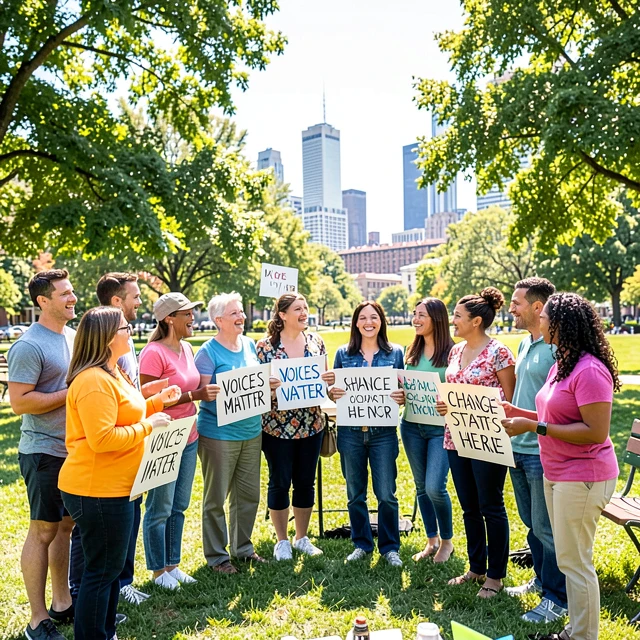
Think about the last time you saw a community rally or a policy shift that helped people. Chances are, volunteers made it happen. The Role of Volunteers in Advocacy goes beyond handing out flyers. They build connections, gather stories, and keep the fire alive.
I remember my first advocacy gig. Fresh out of college, I joined a local group fighting for better access to mental health services. We were a ragtag team of five, all volunteers. No big budget, just heart. We knocked on doors, shared personal tales, and lobbied lawmakers. That effort led to a new clinic opening in our neighborhood. It showed me how one volunteer's voice can spark a wave.
Volunteers bring fresh eyes and energy. They spot issues others miss because they're often the ones living them. Nonprofits rely on this spark to extend their reach. For instance, passionate volunteers can turn small actions into community-wide pushes.
Data backs this up. In one study on advocacy training, over 63% of graduates kept volunteering long-term, advocating for families and schools year after year. These sustained efforts create lasting bonds and real results.
Volunteers also fill key gaps. In programs like long-term care ombudsman services, they handle over 85% of the work, from resolving complaints to ensuring fair treatment for residents. Without them, these vital supports would crumble.
Key Roles Volunteers Play in Advocacy
Volunteers wear many hats in advocacy work. Here's a quick list of common roles:
- Story Collectors: They listen to affected people and share those narratives to build empathy.
- Event Organizers: Planning rallies, workshops, or meetings to rally support.
- Lobbyists: Meeting with officials to push for policy changes.
- Educators: Running sessions to inform communities about rights and resources.
- Amplifiers: Using social media to spread the word and grow the movement.
Each role matters. Pick one that fits your strengths, and watch your impact grow.
Mastering Volunteer Training for Advocacy Work
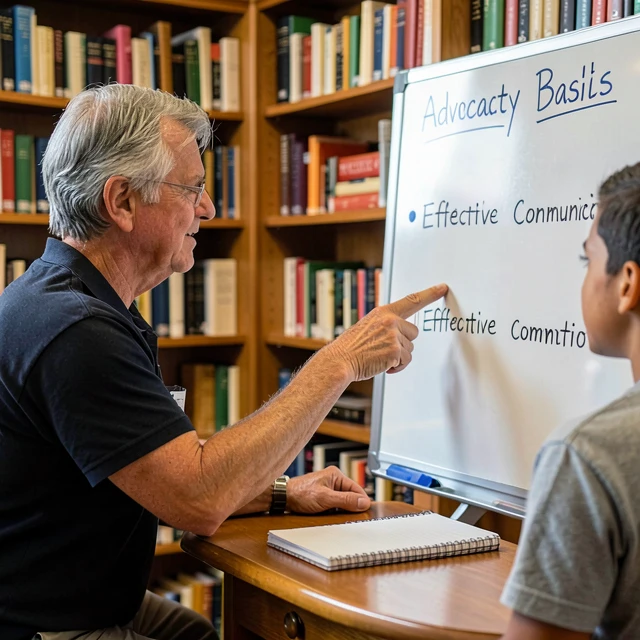
Jumping into advocacy? Don't wing it. Solid volunteer training for advocacy work sets you up for success. It builds skills like public speaking, research, and coalition-building.
Start with basics: Learn the issue inside out. Know the laws, stats, and stakeholders. Then, practice real scenarios. Role-play tough conversations or media interviews.
From my experience, the best trainings mix hands-on and heart. One session had us pair up to craft personal pitches. Mine focused on why mental health funding saves lives. Sharing it aloud built my confidence.
Organizations often offer free or low-cost programs. Look for ones that cover ethics too—advocacy demands integrity. A good training might include modules on:
| Module | Focus |
|---|---|
| Issue Deep Dive | Facts and history |
| Communication Tools | Writing letters, speeches |
| Networking | Building allies |
| Self-Care | Avoiding burnout |
Invest time here. Trained volunteers stick around longer and achieve more.
Experts agree: Structured engagement boosts volunteer retention and effectiveness. Nonprofits that train well see volunteers take on bigger roles, like leading campaigns.
Ready to train? Check out resources from university extensions for step-by-step guides on forming community advocacy groups with volunteer involvement. It's a goldmine for new teams.
Real Challenges and How Volunteers Overcome Them
Advocacy isn't always smooth. Volunteers face hurdles like time crunches, pushback, or doubt. But they push through with smart strategies.
Take time management. Many juggle jobs and families. Solution? Set small goals, like one hour a week. Batch tasks—research on Mondays, outreach on Wednesdays.
Facing opposition? Build thick skin and facts. Share data calmly. I once debated a skeptic at a town hall. Instead of arguing, I asked about their concerns and tied them to our shared goals. It turned a foe into a friend.
Burnout hits hard too. Watch for signs: exhaustion, frustration. Counter it with team support. Rotate roles, celebrate wins, and unplug.
Here's a simple table of common challenges and fixes:
| Challenge | Quick Fix |
|---|---|
| Limited Time | Prioritize 2-3 tasks weekly |
| Skill Gaps | Seek quick online tutorials |
| Isolation | Join virtual volunteer chats |
| Funding Shortfalls | Crowdfund small events |
Volunteers who tackle these thrive. Their resilience inspires others.
Stories That Show Volunteer Impact
Nothing beats a good story. Let me share a few that highlight The Role of Volunteers in Advocacy.
Meet Sarah, a retired teacher who volunteered for environmental causes. She started with clean-up days but grew into leading petitions. Her group stopped a factory expansion that threatened local rivers. 'It was scary at first,' she says, 'but seeing the water run clear again? Worth every meeting.'
Then there's Jamal, a student volunteer in disability rights. Through training, he advocated for better campus access. His efforts got ramps installed and policies updated. Now, he mentors others. 'Volunteering taught me my voice counts,' he shares.
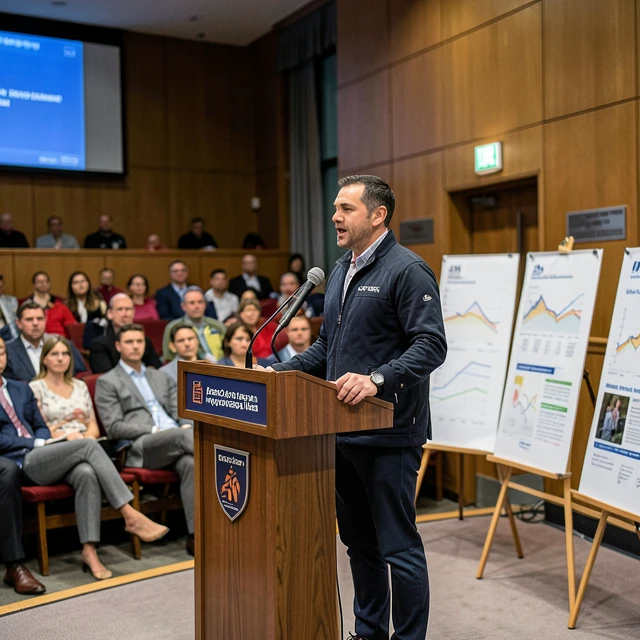
These tales aren't rare. Across fields—from health to education—volunteers drive wins. They collect signatures, testify at hearings, and mobilize voters. One volunteer's action ripples out, creating coalitions that last.
In my own journey, volunteering shifted my worldview. I went from bystander to builder. You can too. Start small: Attend a meeting, email a leader. Advocacy needs your unique spark.
Wrapping It Up: Your Call to Volunteer Action
Volunteers are the backbone of advocacy. They turn ideas into impact, one step at a time. From training to triumphs, their work builds stronger communities.
If this sparks you, take action. Find a cause, get trained, and dive in. Remember, every movement starts with one volunteer. What's your first step?
(Word count: approximately 1520)