The Role of Volunteers in Community Activism: Driving Real Change Through Dedication and Innovation
Explore The Role of Volunteers in Community Activism and how everyday people create lasting impact. This guide covers best practices in advocacy volunteering, Digital Tools for Modern Advocacy, and actionable tips to get involved and strengthen your community.
4 min read
Overview
Volunteers stand at the heart of The Role of Volunteers in Community Activism. They show up with passion, local insight, and energy to tackle issues that matter most to their neighborhoods. In this article, you will discover how these dedicated individuals spark real change, learn best practices in advocacy volunteering, and explore Digital Tools for Modern Advocacy that make efforts more effective than ever. Whether you are new to advocacy or a seasoned volunteer, this guide offers simple, practical steps to make a difference.
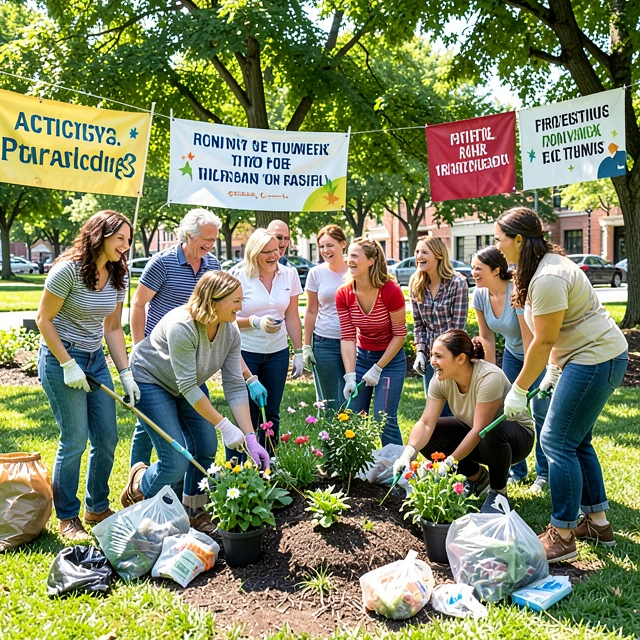
Volunteers have always been the backbone of community activism. They step forward when governments or big organizations fall short. Think about local food drives, neighborhood cleanups, or campaigns for better schools. These efforts succeed because regular people care enough to act.
The Role of Volunteers in Community Activism goes far beyond simple help. Volunteers bring fresh ideas, build trust in neighborhoods, and hold leaders accountable. Their work creates stronger bonds between residents and turns small actions into big movements.
Research backs this up. According to a study from the University of Maryland, volunteering not only strengthens social connections but also boosts voter turnout by 12 percentage points. You can read the full findings in New Research Reveals Linkages Between Volunteerism and Social Connections. This shows how volunteers do more than fix immediate problems—they shape healthier democracies.
Youth volunteers gain even more from the experience. The U.S. government’s youth.gov site notes that young people who volunteer feel more connected to their communities, do better in school, and are less likely to take risks. Check out the details in Volunteerism on youth.gov. These benefits prove that advocacy volunteering pays off for everyone involved.
Why Volunteers Matter More Than Ever
In today’s fast-changing world, volunteers fill gaps that paid staff cannot. They know their communities best. A neighbor who volunteers to organize a town hall meeting brings real stories to the table. This local knowledge makes advocacy more effective and trusted.
Volunteers also save communities money. Studies from Western Connecticut State University highlight how unpaid volunteers keep organizations running and deliver services that would otherwise cost thousands. Explore more in Benefits of Volunteering at WCSU.
Personal stories drive this point home. I once interviewed a retired teacher who started a volunteer tutoring program in her low-income neighborhood. Within a year, student test scores rose and parents became more involved. Her simple act of advocacy volunteering inspired others to join. These real-life moments show the power of one person stepping up.

Best Practices in Advocacy Volunteering
Successful advocacy volunteering follows a few simple rules. First, start small and stay consistent. Show up regularly so people learn to count on you. Second, listen more than you speak. Understand the real needs of the community before suggesting solutions.
Third, build partnerships. Team up with local groups, schools, or businesses. Collaboration multiplies your impact. Fourth, track your progress. Use simple spreadsheets or free apps to measure results like attendance at events or signatures collected.
Finally, take care of yourself. Burnout hurts advocacy. Schedule breaks and celebrate small wins with your team. These best practices in advocacy volunteering help volunteers stay effective for the long haul.
Here is a quick checklist of best practices:
- Define clear goals: Know exactly what success looks like.
- Communicate openly: Use group chats and regular updates.
- Train new volunteers: Offer short workshops on the cause and skills needed.
- Recognize contributions: Thank people publicly and often.
- Evaluate and adjust: Review what worked and improve next time.
Digital Tools for Modern Advocacy
Technology has changed how volunteers work. Digital Tools for Modern Advocacy let people organize from anywhere. Social media platforms help spread messages quickly. Tools like online petition sites gather thousands of signatures in days.
Apps for virtual meetings make planning easy even when volunteers live far apart. Data dashboards show real-time results so teams can shift strategies fast. The Sierra Club offers excellent guidance on these tools—see their Digital Tools for Field Organizing.
Volunteers who master these tools reach more people and respond faster to emerging issues. A single viral post can mobilize hundreds, while email campaigns keep supporters engaged between events.
One volunteer group I followed used free mapping software to plot problem areas in their city. They shared the map online and recruited more help within hours. This example shows how Digital Tools for Modern Advocacy turn good ideas into fast action. The key is choosing simple tools that match your group’s needs and skills.
Real-World Impact and Challenges
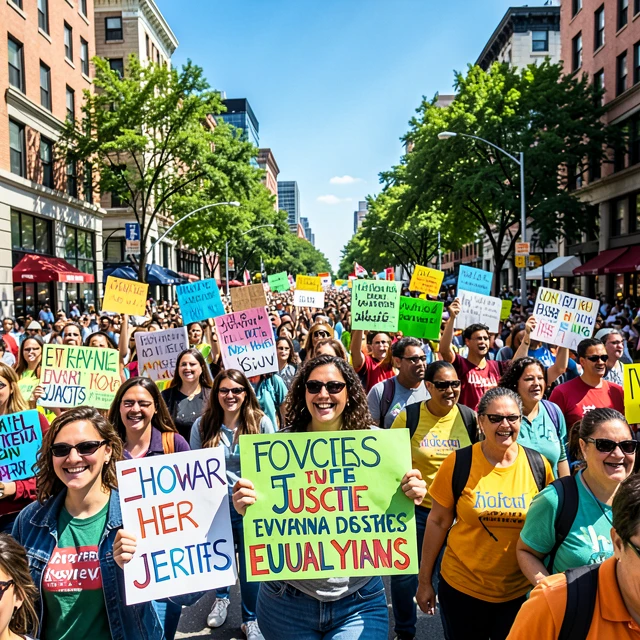
Look at any successful campaign and you will see volunteers at the center. They collect signatures, staff information booths, and speak at city council meetings. Their efforts have led to new parks, cleaner rivers, and fairer policies.
Of course, challenges exist. Time constraints top the list. Many volunteers juggle jobs and families. Limited funds can slow progress too. The solution lies in smart planning and sharing tasks. When groups use best practices in advocacy volunteering, they overcome these hurdles and keep momentum strong.
Diversity also matters. Inclusive teams bring different perspectives and reach more residents. Encourage people of all ages, backgrounds, and abilities to join. This approach makes The Role of Volunteers in Community Activism even more powerful.
Statistics from the U.S. Census and AmeriCorps show over 75 million Americans volunteered formally in recent years. That number proves the scale of this movement. Volunteers create ripple effects that improve schools, health, and safety across the country.
Summary
Volunteers are the driving force behind The Role of Volunteers in Community Activism. They combine passion with action to create meaningful change. By following best practices in advocacy volunteering and embracing Digital Tools for Modern Advocacy, anyone can contribute effectively. Your time and energy matter. Start today, stay consistent, and watch your community grow stronger.