Tips for Effective Advocacy Campaigning: Strategies for Impactful Change
Discover practical tips for effective advocacy campaigning to drive meaningful change. Learn how to plan, engage volunteers, and amplify your message with actionable strategies and real-world insights. Perfect for beginners and seasoned advocates alike.
4 min read
Overview
Advocacy campaigning can spark real change, but it takes strategy, passion, and teamwork. Whether you're fighting for environmental justice, human rights, or local policy changes, these Tips for Effective Advocacy Campaigning will guide you. This article shares practical steps, personal insights, and ways to leverage volunteer opportunities in advocacy groups to make your campaign thrive.
Understanding Advocacy
Advocacy is about speaking up for a cause you believe in. It’s not just protests or petitions—it’s about building awareness, influencing decisions, and inspiring action. From grassroots movements to large-scale campaigns, advocacy shapes policies and communities. My first advocacy experience was volunteering for a local clean-water initiative. The thrill of seeing our petition lead to a city council meeting was unforgettable. It taught me that advocacy starts with a clear goal and a committed team.
Define Your Goal
Every successful campaign begins with a clear objective. Ask yourself: What change do you want to see? Be specific. Instead of “improve healthcare,” aim for “increase funding for mental health services in rural areas.” A focused goal keeps your campaign on track and makes success measurable. Write it down, share it with your team, and revisit it often.
Research Your Issue
Knowledge is power in advocacy. Dive deep into your cause. Understand the data, policies, and stakeholders involved. For example, when I worked on a campaign to reduce plastic waste, we studied local recycling rates and laws. This helped us craft a compelling case. Use credible sources like government reports or nonprofit studies to back your claims. The more you know, the stronger your voice.

Building a Strong Team
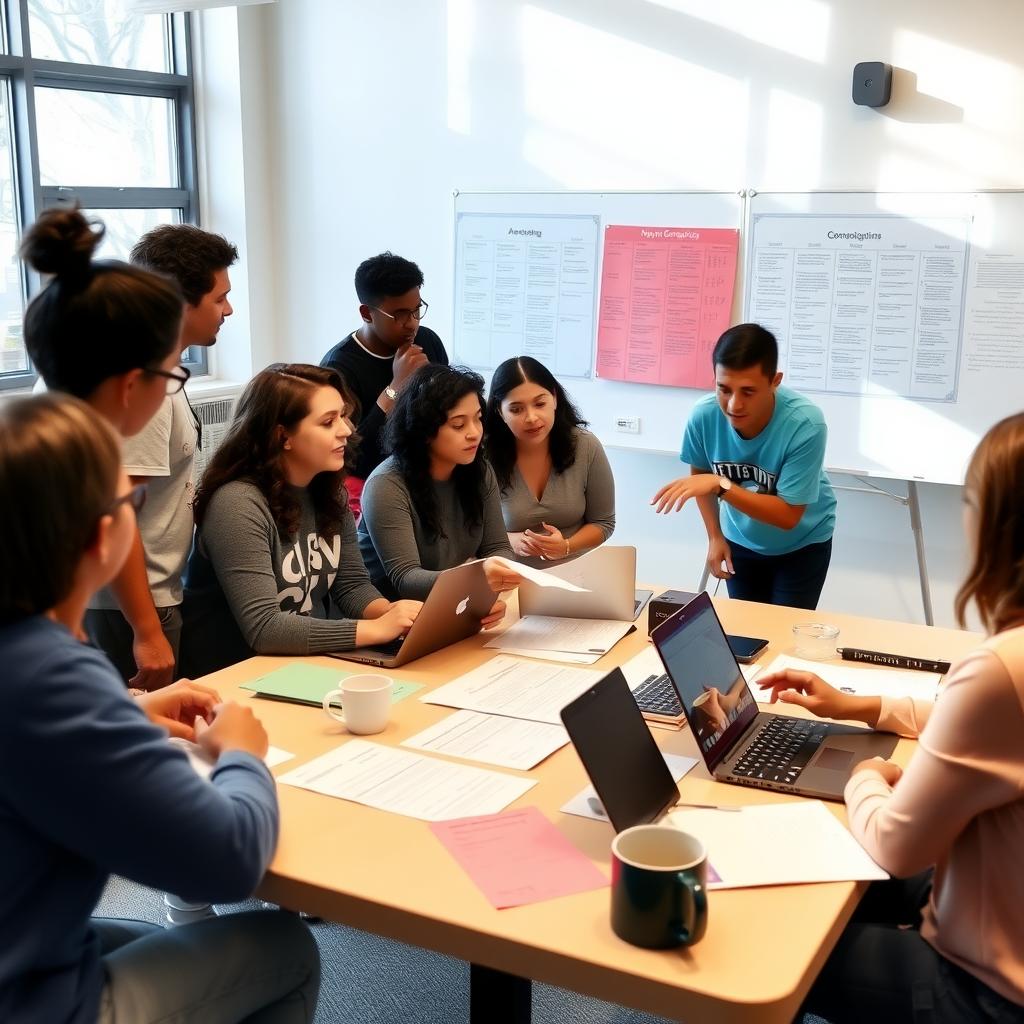
No campaign succeeds alone. Volunteers are the heart of advocacy. Volunteer opportunities in advocacy groups attract passionate people who amplify your message. When I joined a voter registration drive, our team of 15 volunteers registered 200 new voters in a month. The key? Clear roles and open communication.
Recruit Volunteers
Find people who share your passion. Post volunteer opportunities on social media, community boards, or platforms like VolunteerMatch. Be clear about tasks—canvassing, social media, or event planning—and time commitments. Welcome diverse skills, from graphic designers to public speakers. A varied team brings fresh ideas and wider reach.
Train and Motivate Your Team
Volunteers need guidance. Host training sessions to share your campaign’s goals, key messages, and tasks. Keep morale high with regular check-ins and small wins, like celebrating 100 petition signatures. I’ve found that sharing personal stories—like why you care about the cause—builds team spirit. A motivated team is your campaign’s backbone.
Crafting Your Message
A clear, powerful message grabs attention. Make it simple, emotional, and actionable. For example, a campaign for affordable housing might use: “Everyone deserves a safe home—support fair housing laws now.” Test your message with your team. Does it inspire? Does it call people to act? Refine it until it resonates.
Use Multiple Channels
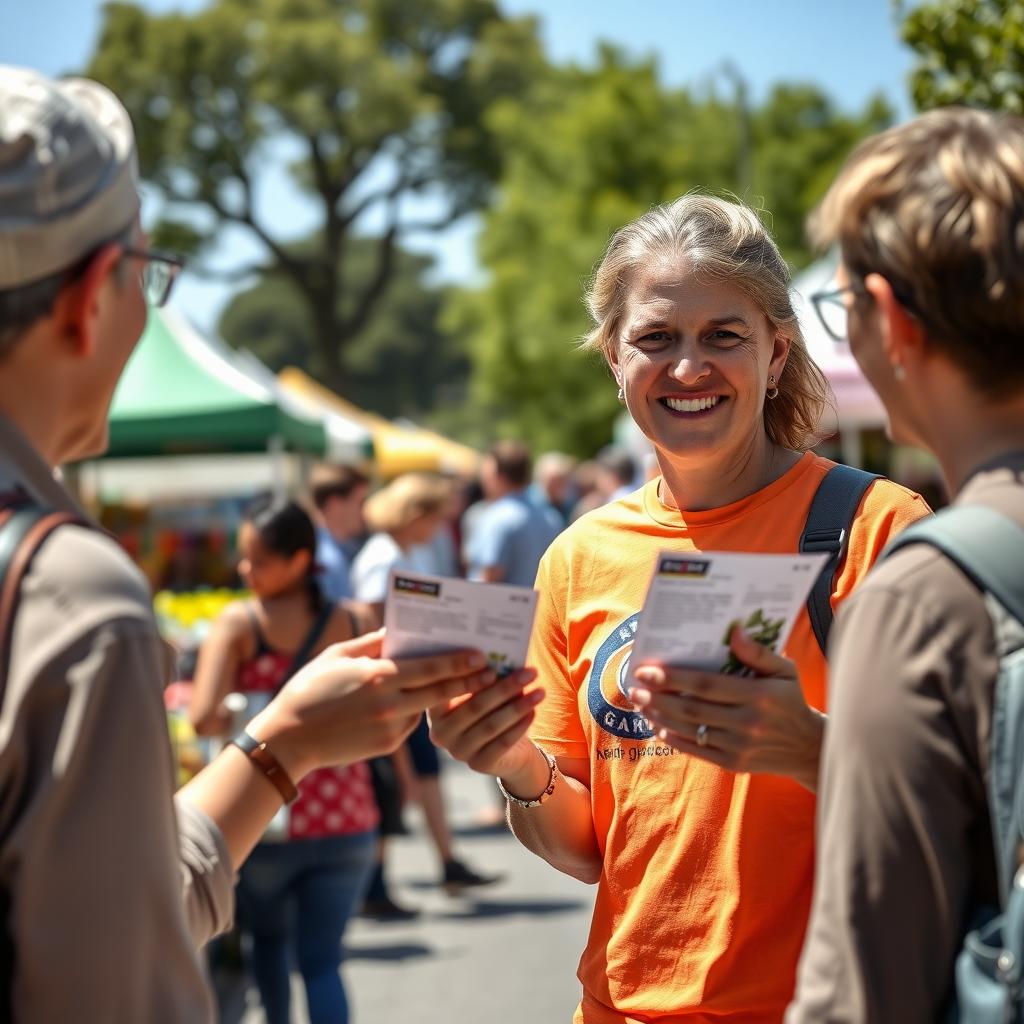
Spread your message across platforms. Social media, emails, and local events reach different audiences. During a campaign for school funding, we used Instagram for quick updates, flyers at community centers, and op-eds in local papers. Track what works—maybe your X posts get more traction than emails—and adjust your strategy.
Engaging Decision-Makers
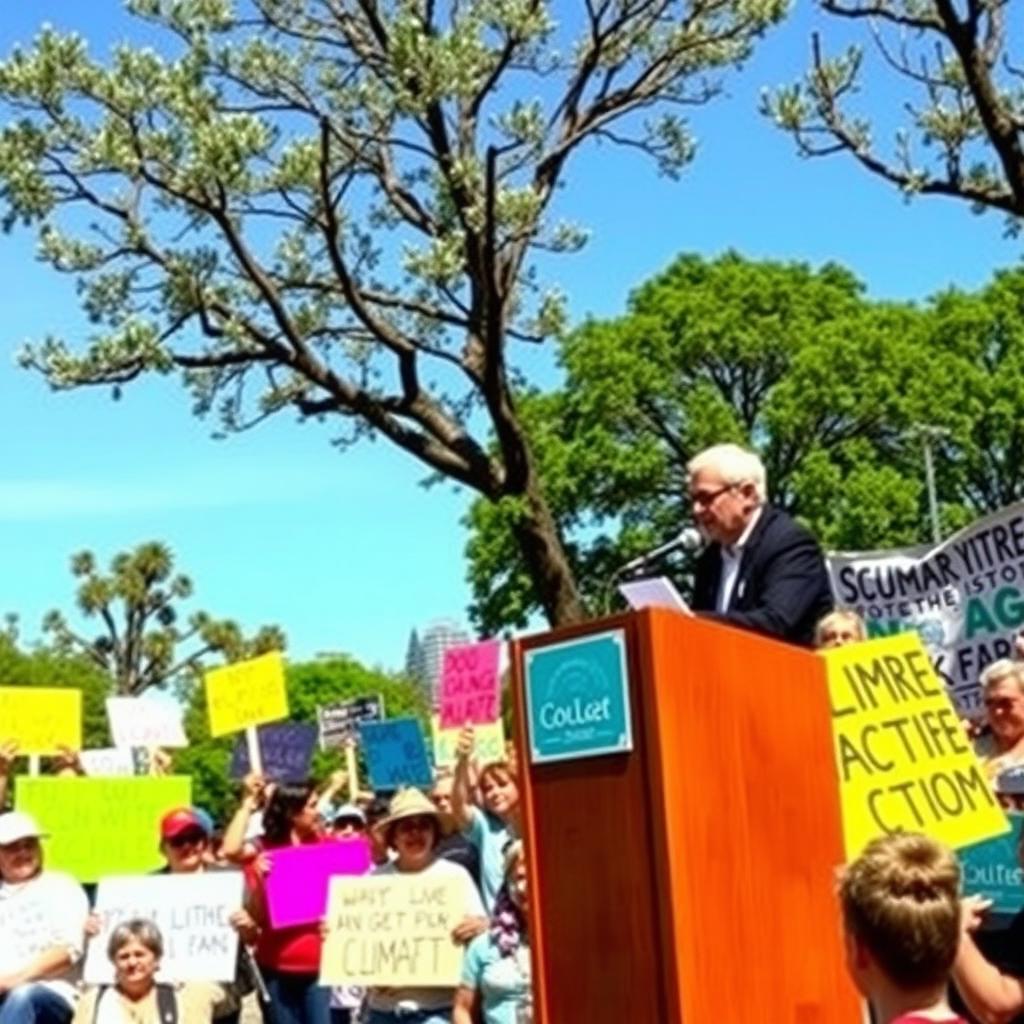
Advocacy often targets those in power—policymakers, businesses, or community leaders. Build relationships with them. Attend town halls, send letters, or request meetings. When we campaigned for safer bike lanes, meeting with city planners showed them community support. Be respectful but firm, and always bring data to back your case.
Create a Petition
Petitions are a classic advocacy tool. They show decision-makers that people care. Use platforms like Change.org for easy sharing. Make your petition clear and urgent, and promote it through volunteers and social media. Our clean-water petition gained 1,000 signatures in two weeks because we shared it at local events.
Measuring Success
Track your progress to stay motivated and improve. Set milestones, like reaching 500 followers or getting media coverage. Use tools like Google Analytics for website traffic or social media insights for engagement. Celebrate small wins—they keep your team energized. After our voter registration drive, we threw a thank-you party for volunteers, which boosted morale for the next campaign.
Adapt and Learn
Campaigns rarely go perfectly. Learn from setbacks. If your event has low turnout, ask why. Maybe the time or location wasn’t ideal. After a poorly attended rally, we switched to evening events and saw triple the turnout. Stay flexible and keep refining your approach.
Sustaining Momentum
Advocacy is a marathon, not a sprint. Keep your campaign alive with regular updates. Share success stories, like a policy change or a volunteer’s impact. During our plastic waste campaign, monthly newsletters kept supporters engaged. Encourage volunteers to stay involved by offering new roles or recognition.
Partner with Other Groups
Collaboration amplifies impact. Partner with organizations that share your goals. For example, our clean-water campaign teamed up with a local environmental nonprofit, doubling our reach. Look for groups with complementary skills or audiences, and explore joint events or campaigns.
Summary
Effective advocacy campaigning requires clear goals, a strong team, and a compelling message. By recruiting passionate volunteers, using diverse channels, and engaging decision-makers, you can drive real change. Stay adaptable, measure progress, and keep your team motivated. With these Tips for Effective Advocacy Campaigning, you’re ready to make an impact.