Tips for Effective Political Canvassing: Boost Your Advocacy Efforts
Discover essential tips for effective political canvassing to enhance your advocacy volunteering in political campaigns. Learn actionable strategies for volunteers to make a real impact.
4 min read
Overview
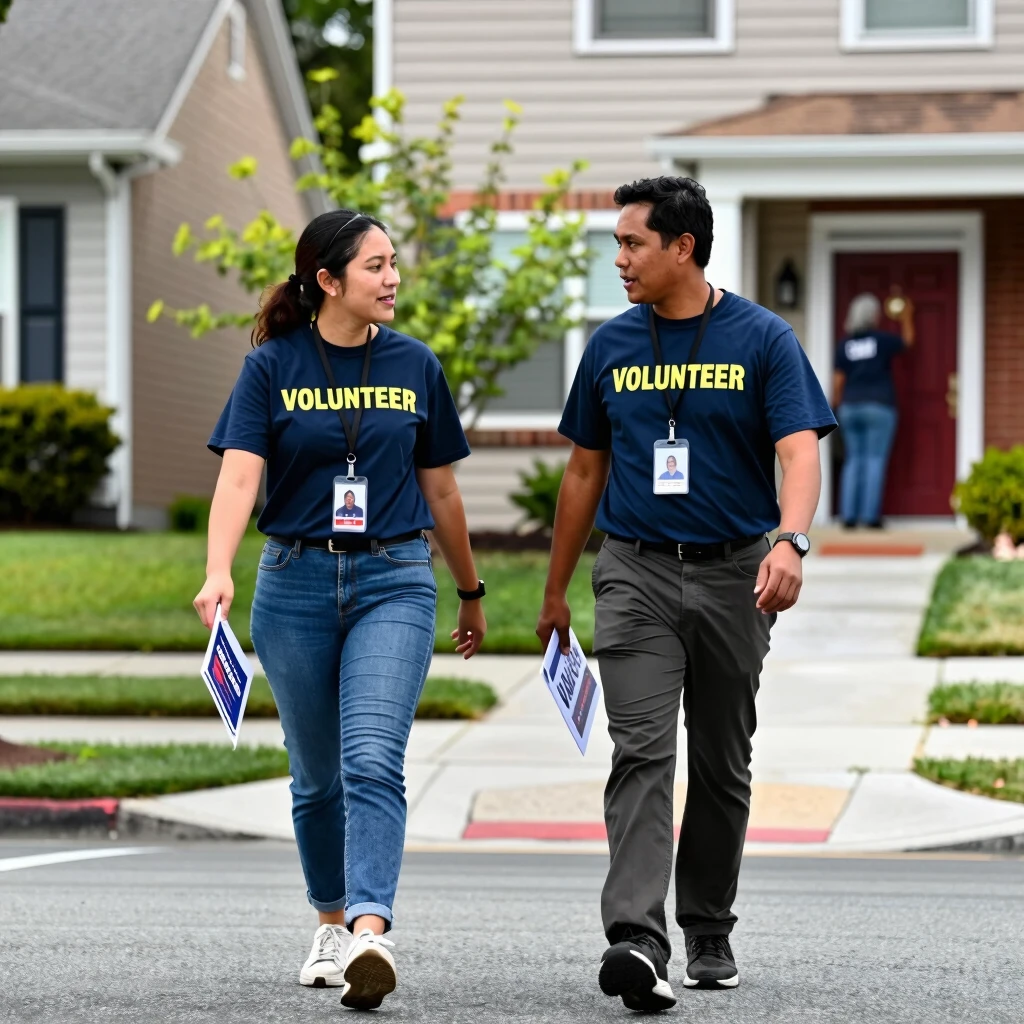
Political canvassing lets volunteers connect with voters directly. It builds support for causes and candidates. This guide shares tips for effective political canvassing to help you succeed in advocacy volunteering in political campaigns. Get ready to make a difference as a volunteer.
What Is Political Canvassing?
You knock on doors or call people to talk about politics. It's a key part of advocacy. Volunteers share ideas, answer questions, and encourage votes. Canvassing turns passive supporters into active ones.
Think of it as a conversation starter. You meet people where they are. This builds trust and spreads your message.
Canvassing comes in types. Identification finds supporters. Persuasion sways undecided voters. Get-out-the-vote reminds people to vote. Each type needs different approaches.
Why Canvassing Matters
Studies show canvassing boosts voter turnout by up to 10%. It's more effective than ads. Personal talks create lasting impressions.
In my experience, one good chat can flip a vote. Advocacy volunteering in political campaigns thrives on these moments. Volunteers like you drive change.
Prepare Well Before You Start
Good planning sets you up for success. First, know your campaign's goals. What message do you share? Practice your pitch until it feels natural.
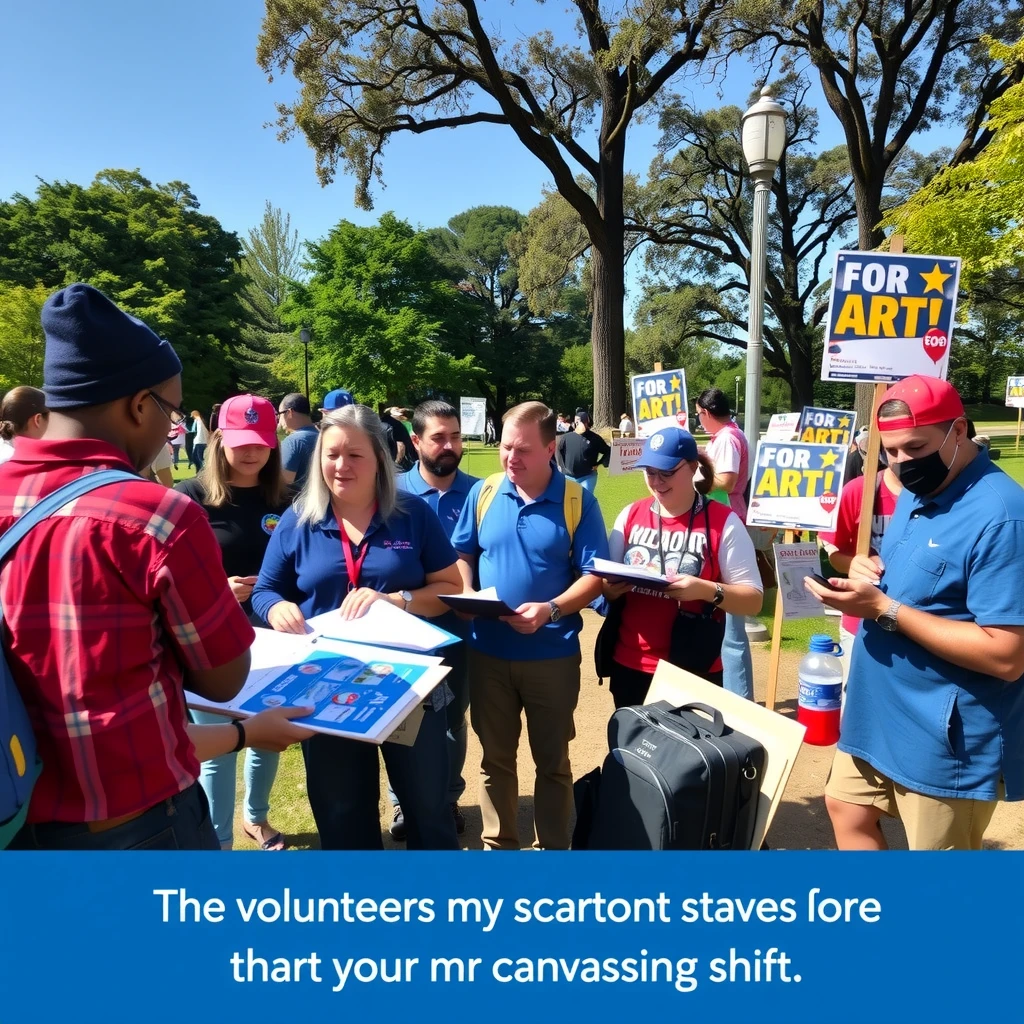
Gather tools: Clipboards, maps, scripts, and water. Wear comfortable shoes. Weather can change fast, so dress in layers.
Train with your team. Role-play conversations. Learn to handle tough questions. Campaigns often offer sessions for volunteers.
Use apps for data. Tools like MiniVAN track visits. This helps avoid repeat knocks and logs responses.
Set a schedule. Canvass during evenings or weekends when people are home. Aim for 50-100 doors per shift. Pace yourself to avoid burnout.
Master Door-to-Door Techniques
Smile and introduce yourself. Say, 'Hi, I'm a volunteer with [Campaign]. Can I talk about [Issue]?' Keep it short.
Listen more than you talk. Ask open questions like 'What concerns you most?' This shows you care.
Share stories. Personal tales connect better than facts. For example, explain how a policy helped someone you know.
Handle objections calmly. If someone disagrees, thank them and move on. Don't argue. Your goal is positive interactions.
End strong. Ask for support or a vote. Give literature if they want more info.
Here's a quick table of do's and don'ts:
| Do's | Don'ts |
|---|---|
| Be polite and respectful | Argue or get angry |
| Listen actively | Talk too much |
| Dress neatly | Wear partisan gear if not allowed |
| Follow up with interested folks | Trespass or force entry |
| Record data accurately | Share false info |
From sources like NGP VAN's guide on canvassing do's and don'ts, these tips keep you effective.
Engage Voters Effectively
Build rapport fast. Use eye contact and nod. Mirror their energy. If they're rushed, keep it brief.
Tailor your message. For families, talk education. For seniors, discuss healthcare. Know your audience.
Encourage action. Ask them to volunteer or donate. Small steps lead to big involvement in advocacy.
In advocacy volunteering in political campaigns, engagement turns voters into advocates. I've seen one conversation spark a chain of volunteers.
Prioritize Safety
Always go in pairs. Tell someone your route. Carry a charged phone.
Avoid dark areas. If a situation feels off, leave. Trust your gut.
The Local Government Association offers seven principles for safer canvassing. Follow them to stay safe.
Wear ID badges. This builds trust and protects you. Report incidents to your campaign right away.

Collect Data Smartly
Note responses. Use codes: Support, oppose, undecided. This helps target follow-ups.
Apps make this easy. Sync data in real-time. Campaigns use it for better strategies.
Respect privacy. Don't share info without permission. Follow laws like data protection rules.
Explore Alternative Methods
Not just doors. Phone canvassing reaches more people. Scripts help keep calls focused.
Text messaging is quick. Send reminders or polls. Tools like CallHub explain political canvassing activities.
Virtual canvassing uses social media. Post videos or host live sessions. This expands your reach in advocacy.
Avoid Common Mistakes
Don't read from scripts robotically. Be human. Practice to sound natural.
Skip assumptions. Treat every door as a chance. Even opponents might listen.
Forget fatigue. Take breaks. Tired volunteers make errors.
From Ecanvasser's effective techniques, planning prevents pitfalls.
Personal Insights from the Field
I've volunteered in several campaigns. One tip: Bring snacks. Energy keeps you going.
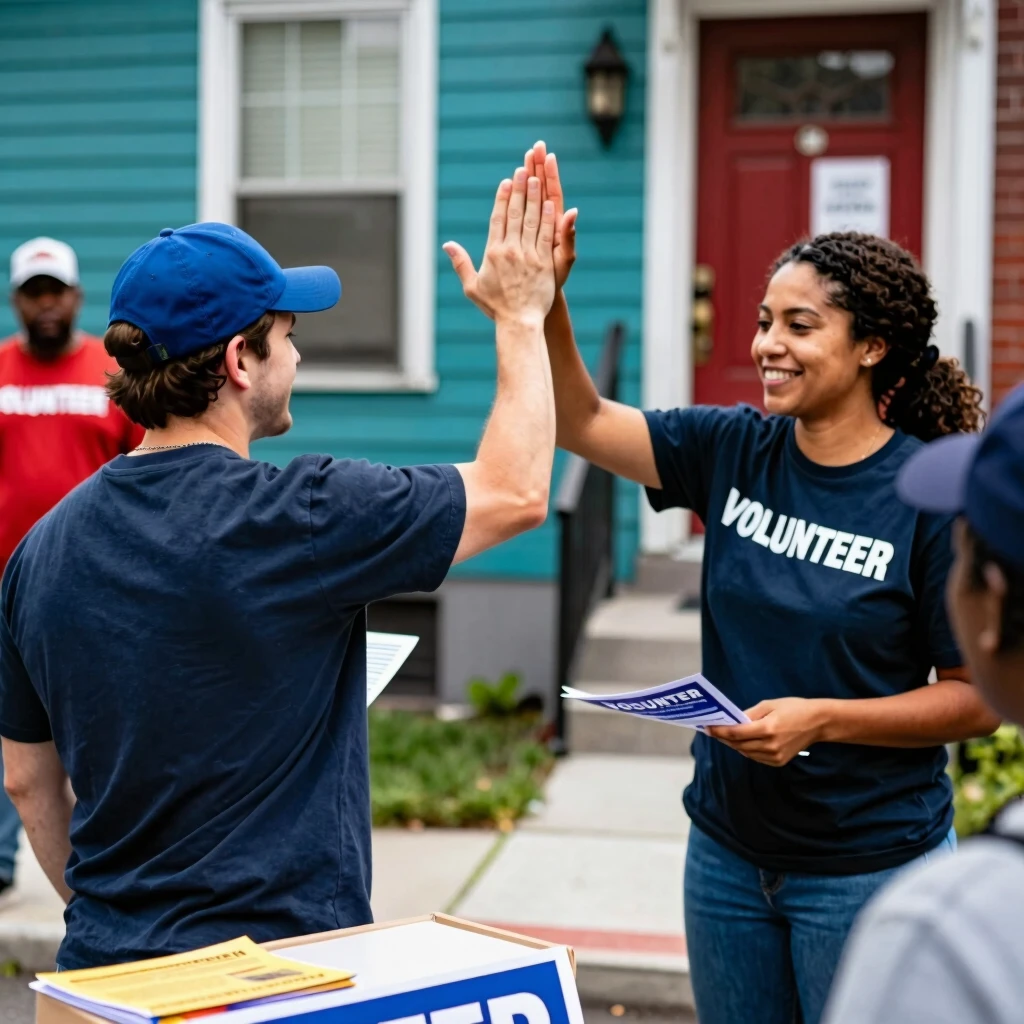
Another: Celebrate small wins. A yes vote feels great. Share stories with your team.
Advocacy grows from persistence. As a volunteer, your passion inspires others.
In tough areas, focus on common ground. People connect over shared values. This builds bridges in divided times.
Measure Your Impact
Track metrics. How many doors knocked? Support rates? Use this to improve.
Campaigns analyze data. Adjust tactics based on results. Volunteers contribute to wins.
Final Thoughts
Tips for effective political canvassing empower volunteers in advocacy. Prepare, engage, stay safe, and adapt. Your efforts in advocacy volunteering in political campaigns matter. Start small, grow your skills, and watch change happen.