Tips for Managing a Volunteer Team: Your Complete Guide to Success
Discover practical Tips for Managing a Volunteer Team, from building strong relationships to measuring real impact. Learn how to start your own volunteer initiative and motivate diverse groups effectively.
4 min read
Overview
Leading a volunteer team can be one of the most rewarding experiences in community work. Whether you run a local food drive or coordinate international volunteer programs for college students, good management turns good intentions into real results. This guide shares actionable Tips for Managing a Volunteer Team that help you build a motivated, effective group. In about 1500 words, you will find strategies based on real experience, clear steps, and insights that make volunteer work smoother and more impactful.
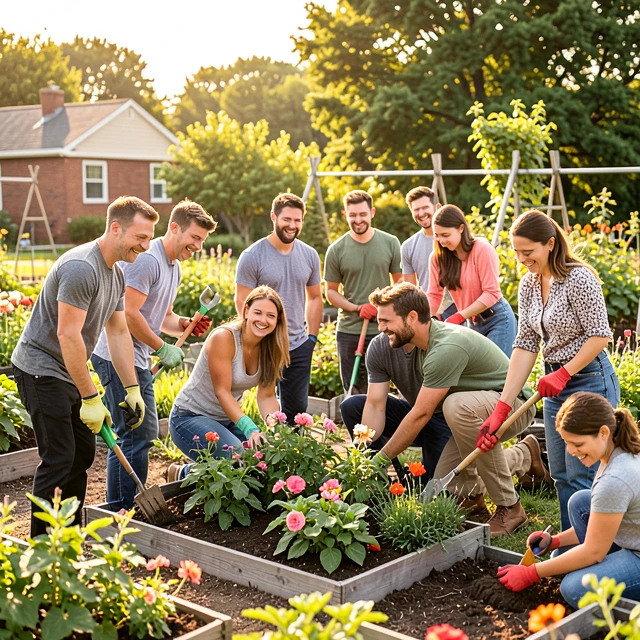
Understanding the Impact of Volunteerism
Volunteer work touches lives in ways numbers barely capture. Studies show volunteers often report higher happiness levels and stronger social connections. Communities gain from extra hands and fresh ideas. When you manage volunteers well, you multiply that positive effect.
I once led a team cleaning up a local river. The environmental change was visible, but the personal growth in team members surprised me most. One college student told me the experience helped her decide on an environmental science career. Moments like these remind us why volunteerism matters.
Before jumping into management tips, consider your own motivation. Understanding the Impact of Volunteerism keeps you inspired during tough days. Volunteers give their time freely, so respect and gratitude must guide every decision you make.
How to Start Your Own Volunteer Initiative
Many people dream of creating change but feel stuck on where to begin. Starting small works best. Pick a clear, achievable goal. Maybe you want to tutor kids after school or organize neighborhood clean-ups.
Steps to launch:
- Identify a real community need through conversations with locals.
- Write a simple one-page plan covering goals, needed resources, and timeline.
- Reach out to friends, schools, and local organizations for initial support.
- Set up basic communication like a group chat or free project management tool.
I started my first initiative with just five friends and a shared spreadsheet. Within months, it grew to over 50 regular volunteers. The key was consistent action and celebrating small wins early.

How to Choose the Best Volunteer Program for You
If you are not starting from scratch, joining an existing effort makes sense. For individuals, especially college students, How to Choose the Best Volunteer Program for You involves matching your skills, interests, and schedule.
Ask yourself: - Does the cause excite me? - Can I commit the required time? - Will I learn new skills or gain valuable experience?
International volunteer programs for college students offer unique growth opportunities. Programs in education, conservation, or healthcare abroad can build resumes while creating global friendships. Research organizations carefully for safety, support, and genuine community benefit. Look for reviews from past participants and clear program structures.
Core Tips for Managing a Volunteer Team
Effective leadership turns groups of individuals into powerful teams. Here are proven Tips for Managing a Volunteer Team:
1. Recruit the Right People
Focus on values and enthusiasm rather than just availability. Share clear descriptions of roles and time commitments. Use social media, community boards, and university career centers. For international volunteer programs for college students, partner with campus clubs.
Create a simple application form asking about skills and motivations. Personal interviews help both sides assess fit.
2. Provide Excellent Training and Onboarding
Never assume volunteers know what to do. Offer thorough but friendly training sessions. Create short video guides or written manuals for reference. Pair new volunteers with experienced mentors for the first few shifts.
Good training builds confidence and reduces mistakes. In my teams, this step cut down confusion dramatically.
3. Communicate Clearly and Often
Keep everyone informed with regular updates. Mix group meetings with individual check-ins. Tools like Slack, WhatsApp, or email newsletters work well. Listen actively to feedback and ideas from volunteers.

4. Motivate and Recognize Contributions
People stay when they feel valued. Say thank you often and specifically. Share impact stories showing how their work helped others. Organize small appreciation events or send personal notes.
For college students in international programs, offer certificates or help with reflection essays that support academic credit.
5. Manage Conflicts and Challenges Gracefully
Disagreements happen. Address them privately and fairly. Set clear expectations about respect and teamwork from day one. Have a simple process for volunteers to raise concerns.
6. Track Progress and Measure Impact
Use simple tools to record hours, tasks completed, and results. Share regular reports with the team. Seeing concrete outcomes keeps motivation high. Track both quantitative metrics like meals served and qualitative stories of changed lives.
7. Foster Team Spirit and Inclusivity
Organize social activities beyond work. Create opportunities for volunteers to connect personally. Celebrate cultural differences, especially in diverse or international teams. Everyone should feel they belong.
Common Challenges and Smart Solutions
Time conflicts top the list of issues. Offer flexible scheduling and remote options where possible. Burnout affects leaders too, so delegate responsibilities and take breaks.
Budget limitations are common. Seek donations, grants, or corporate sponsorships. Many companies support employee volunteer days.
For international volunteer programs for college students, cultural misunderstandings can arise. Provide basic cultural sensitivity training and encourage open dialogue.
Personal Insights from the Field
After managing teams for over eight years, I learned that empathy matters more than perfect plans. Volunteers are people with their own lives and pressures. When you treat them as partners rather than free labor, magic happens.
One memorable project involved coordinating 120 volunteers during a disaster relief effort. Clear roles, daily briefings, and genuine care helped us distribute supplies efficiently while supporting each other emotionally.
Summary
Managing a volunteer team successfully combines organization, heart, and adaptability. By applying these Tips for Managing a Volunteer Team, you create meaningful experiences for volunteers and lasting benefits for communities. Whether starting your own initiative or joining international volunteer programs for college students, focus on people first. The rewards extend far beyond the projects themselves.