Top Fundraising Ideas for Non-Profit Success
Discover effective fundraising ideas to boost your non-profit’s success. This guide offers practical strategies, real-world insights, and tips for engaging volunteers and managing finances, ensuring your organization thrives.
5 min read

Overview
Non-profits face unique challenges in raising funds to support their missions. From engaging volunteers to managing finances, success requires creativity and strategy. This article explores top fundraising ideas for non-profit success, offering actionable tips to help your organization thrive while fostering community support and financial stability.
Why Fundraising Matters for Non-Profits
Fundraising is the lifeblood of any non-profit organization. Without consistent funding, even the most passionate missions can falter. Effective fundraising not only covers operational costs but also builds a community of supporters who believe in your cause. Whether you’re running a small local charity or a large international organization, mastering non-profit organization financial management is key to long-term success.
I’ve seen firsthand how a well-planned fundraiser can transform a struggling non-profit. A few years ago, I volunteered with a local animal shelter that was on the brink of closing due to lack of funds. By organizing a creative event—a pet adoption fair with a twist—they raised enough to keep the doors open and even expanded their programs. The key? Combining passion with practical strategies.

1. Host a Community Event
Community events are a fantastic way to raise funds while building connections. Think local fairs, charity runs, or talent shows. These events engage volunteers and attract donors who want to support a fun, meaningful cause. For example, a 5K run can bring in registration fees and sponsorships while promoting your mission.
Tips for Success: - Choose a theme that aligns with your cause. - Partner with local businesses for sponsorships. - Promote the event through social media and community boards.
According to a study by the Urban Institute, events that involve community participation can increase donor retention by 20%.
2. Launch a Crowdfunding Campaign
Crowdfunding platforms like GoFundMe or Kickstarter allow non-profits to reach a global audience. These campaigns work best when paired with a compelling story. Share your mission through videos or personal stories to connect with donors emotionally.
One non-profit I worked with raised $10,000 in a month by sharing a video of the people their program helped. The key was authenticity—donors want to see real impact. Platforms like these also make it easy for volunteers to share campaigns, amplifying your reach.
3. Organize a Peer-to-Peer Fundraising Drive
Peer-to-peer fundraising empowers your supporters to raise money on your behalf. Volunteers ask their friends, family, or colleagues to donate, spreading your mission organically. This approach works because it leverages personal networks, making donors feel connected to someone they trust.
How to Get Started: 1. Provide volunteers with easy-to-use fundraising tools. 2. Set clear goals and timelines. 3. Recognize top fundraisers with small rewards, like branded merchandise.
A report from the Nonprofit Research Collaborative found that peer-to-peer campaigns can raise up to 30% more than traditional methods when executed well.
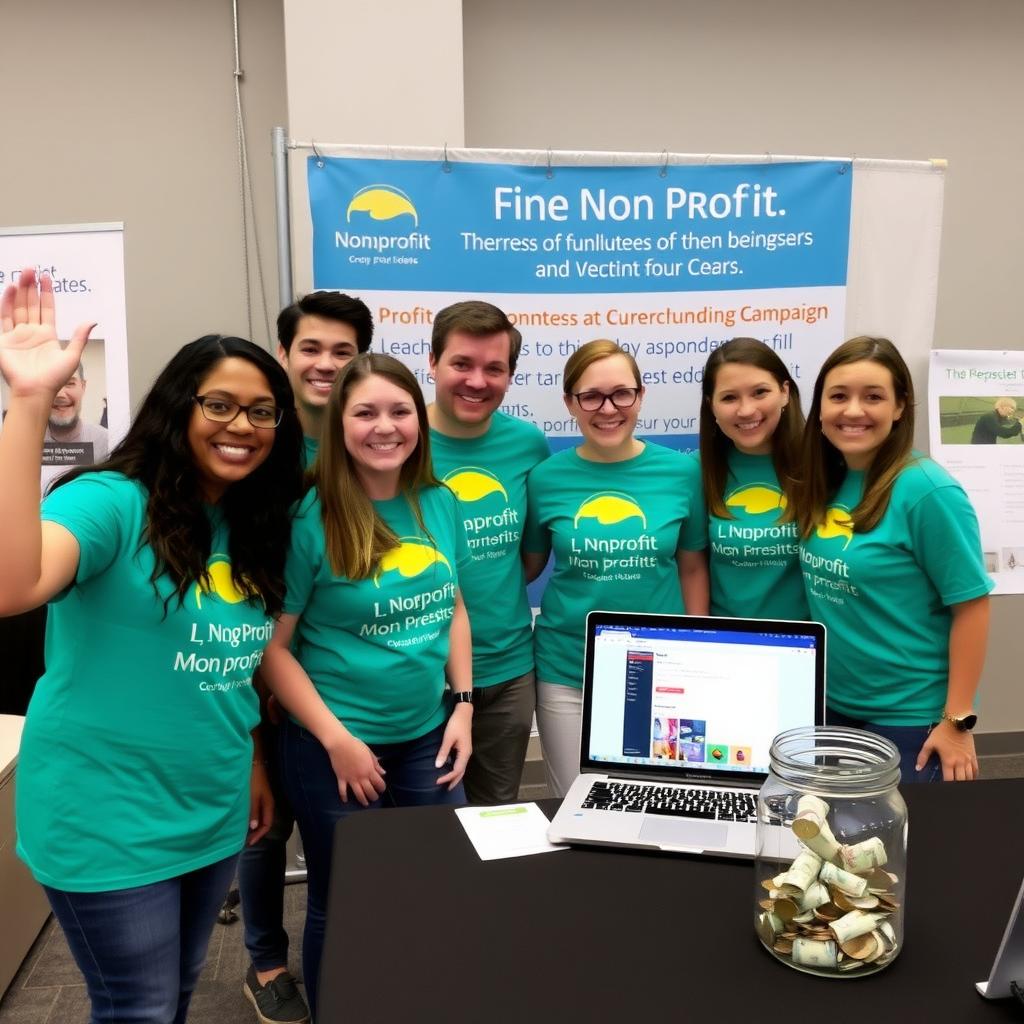
4. Partner with Local Businesses
Collaborating with businesses can boost your fundraising efforts. Many companies are eager to support local causes as part of their corporate social responsibility. For example, a restaurant might donate a percentage of sales for a night, or a store could host a donation drive.
I recall a non-profit that partnered with a coffee shop to sell branded mugs, with proceeds going to their cause. It was a win-win: the shop gained customers, and the non-profit raised funds. Reach out to businesses that align with your mission for the best results.
5. Sell Merchandise with a Purpose
Selling branded merchandise—like t-shirts, tote bags, or water bottles—can generate steady income. The key is to create items people want to use or gift. Make sure the merchandise reflects your mission. For instance, an environmental non-profit could sell reusable straws or eco-friendly bags.
Pro Tip: Work with volunteers to design and promote the merchandise. This keeps costs low and builds team spirit.
6. Host a Virtual Fundraiser
Virtual fundraisers have become a game-changer, especially since the pandemic. Online auctions, webinars, or live-streamed events can reach donors far beyond your local area. A non-profit I advised hosted a virtual trivia night that raised $5,000. They used Zoom and encouraged participants to donate for bonus rounds.
Virtual events are cost-effective and easy to scale. Just ensure you have a reliable platform and engaging content to keep donors interested.

7. Leverage Grants and Foundations
Grants are a powerful tool for non-profit organization financial management. Research foundations that align with your mission and apply for grants. Sites like Grants.gov offer access to thousands of funding opportunities. Writing a strong grant proposal takes time, but the payoff can be significant.
One organization I worked with secured a $50,000 grant by clearly outlining their impact and budget needs. If you’re new to grants, consider hiring a consultant or training a volunteer to help.
8. Create a Membership Program
A membership program encourages recurring donations by offering perks to supporters. For example, donors who give monthly could receive exclusive updates, event invites, or branded gifts. This approach builds a steady income stream and fosters loyalty.
Example Structure: | Membership Level | Monthly Donation | Perks | |------------------|------------------|-------| | Supporter | $10 | Newsletter | | Advocate | $25 | Event invites | | Champion | $50 | Branded gift |
This model works because it creates a sense of belonging for donors.
Managing Funds Wisely
Raising money is only half the battle. Effective non-profit organization financial management ensures funds are used wisely. Create a budget that prioritizes your mission while covering operational costs. Transparency is crucial—share financial reports with donors to build trust.
I’ve seen non-profits lose support due to poor financial communication. Use tools like QuickBooks or consult resources from the National Council of Nonprofits to streamline your finances.
Engaging Volunteers for Success
Volunteers are the backbone of any fundraiser. They bring energy, ideas, and networks to the table. To keep them motivated, provide clear roles, regular appreciation, and opportunities to grow. A non-profit I supported trained volunteers to lead fundraising workshops, which boosted engagement and funds.
Volunteer Engagement Tips: - Host regular training sessions. - Celebrate milestones with thank-you events. - Listen to their feedback for future campaigns.
Summary
Fundraising for a non-profit organization requires creativity, planning, and community engagement. From community events to virtual fundraisers and grants, the top fundraising ideas for non-profit success blend passion with strategy. By leveraging volunteers and practicing sound non-profit organization financial management, your organization can achieve its goals and make a lasting impact.