Top Tips for Sustainable Volunteering
Discover actionable top tips for sustainable volunteering, including how to choose ethical programs, prepare effectively, and explore the top 10 destinations for international volunteering in 2025. Make your volunteer experience truly impactful and lasting.
3 min read
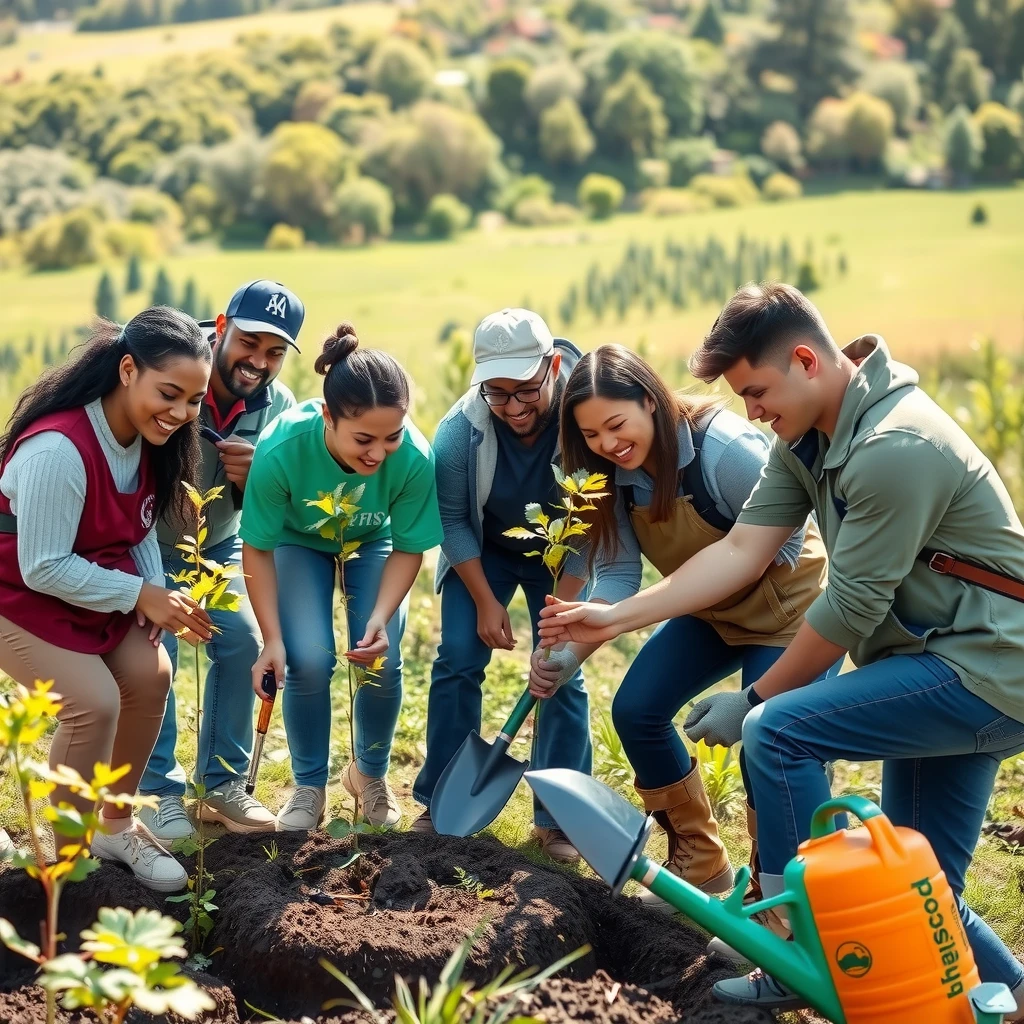
Sustainable volunteering lets you give back to communities and the environment without causing harm. It focuses on long-term positive change rather than short-term fixes. In this guide, we'll share top tips for sustainable volunteering to help you make a real difference.
Why Sustainable Volunteering Matters
Many people want to volunteer abroad with good intentions. But some programs, often called voluntourism, can do more harm than good. For example, short-term projects might create dependency or displace local workers. True sustainable volunteering builds skills in the community and respects local needs.
Research shows that poorly planned voluntourism can have negative effects on host communities. According to studies on volunteer tourism impacts, only a small portion of fees sometimes reaches the community. Choose wisely to ensure your efforts support lasting progress.

How to Choose the Right Volunteering Program
Start by researching thoroughly. Look for programs that partner directly with local organizations and have clear, measurable goals. Ethical programs are transparent about where your fees go and how they benefit the community.
Ask these questions: - Does the program have long-term projects? - Do they train locals to continue the work? - Is there community input in planning?
Reputable organizations like International Volunteer HQ emphasize responsible practices and alignment with UN Sustainable Development Goals.
- Avoid programs that let unskilled volunteers do specialized work, like teaching or medical tasks without qualifications.
- Check reviews from past volunteers and third-party sites.
- Prefer non-profits or certified ethical providers over profit-driven companies.
For more guidance, read this framework for assessing ethical volunteer providers from a leading organization in the field.
Top 10 Destinations for International Volunteering in 2025
2025 brings exciting opportunities in sustainable spots. Here are top picks based on current trends in ethical and environmental volunteering:
- Costa Rica - Lead in eco-conservation, turtle protection, and sustainable farming.
- Thailand - Ethical elephant sanctuaries and community development.
- Peru - Amazon rainforest preservation and indigenous community support.
- South Africa - Wildlife conservation and education projects.
- Tanzania - Marine conservation and community initiatives in Zanzibar.
- Nepal - Post-disaster rebuilding and education in rural areas.
- Indonesia (Bali) - Environmental cleanup and sustainable agriculture.
- Ecuador - Galapagos wildlife protection and reforestation.
- Vietnam - Education and environmental projects in rural communities.
- India - Women's empowerment and conservation in diverse regions.

These destinations offer regenerative projects that leave places better than found. Focus on areas with strong sustainability commitments.
How to Prepare for Your Volunteering Experience
Preparation makes your trip smoother and more impactful. Start early:
- Get necessary vaccinations and travel insurance.
- Research the culture and basic customs to show respect.
- Pack lightly and sustainably – bring reusable items.
- Set realistic expectations: focus on learning, not 'saving' the day.
Build skills beforehand. If teaching, practice lessons. For conservation, learn about local ecosystems. Fundraise if needed, but choose programs with reasonable fees that support projects directly.
Language Learning Tips for Volunteers
Communicating in the local language builds stronger connections. Even basic phrases show respect and help daily work.
Tips: - Start with apps like Duolingo months before departure. - Focus on practical phrases: greetings, directions, and work-related terms. - Practice with locals upon arrival – they're often patient teachers. - Join language exchanges or classes if offered by your program.

Learning the language opens doors to deeper cultural understanding and makes your contribution more effective.
More Top Tips for Sustainable Volunteering
- Commit to longer stays if possible – impact grows with time.
- Support local economies: eat at small restaurants, buy from artisans.
- Minimize your environmental footprint: use public transport, avoid single-use plastics.
- Reflect on your experience and share responsibly – avoid savior narratives.
- Continue supporting after you return through donations or advocacy.
Personal insight: In my own travels, staying longer and learning basics of the language turned good intentions into real friendships and lasting change.
Final Thoughts
Sustainable volunteering changes lives – yours and others'. By choosing ethically, preparing well, and focusing on long-term good, you create positive ripples. Start planning your meaningful adventure today!