Tracking Impact: Measuring Community Wins Through Advocacy
Discover how advocacy programs empower volunteers to drive meaningful community change. This comprehensive guide explores effective methods for tracking impact, measuring community wins, and building sustainable advocacy initiatives, offering actionable insights and real-world examples for volunteers and organizers.
4 min read

Overview: The Power of Measuring Community Impact
Advocacy can transform communities, but how do you know it's working? Tracking Impact: Measuring Community Wins is about understanding the real change advocacy creates. From volunteer efforts to policy shifts, this guide dives into how advocacy programs for volunteers spark progress and how to measure it.
Why Advocacy Matters for Communities
Advocacy is more than just speaking up—it's about creating change that lasts. Whether it’s pushing for better local policies or rallying for community resources, advocacy gives volunteers a way to make a difference. But without tracking impact, it’s hard to know if those efforts are hitting the mark.
Communities thrive when people come together to solve problems. Volunteers, often the heart of advocacy, bring energy and passion. They organize events, raise awareness, and influence decisions. But the real magic happens when you measure the outcomes—when you can see the difference made.
How Advocacy Leads to Community Change
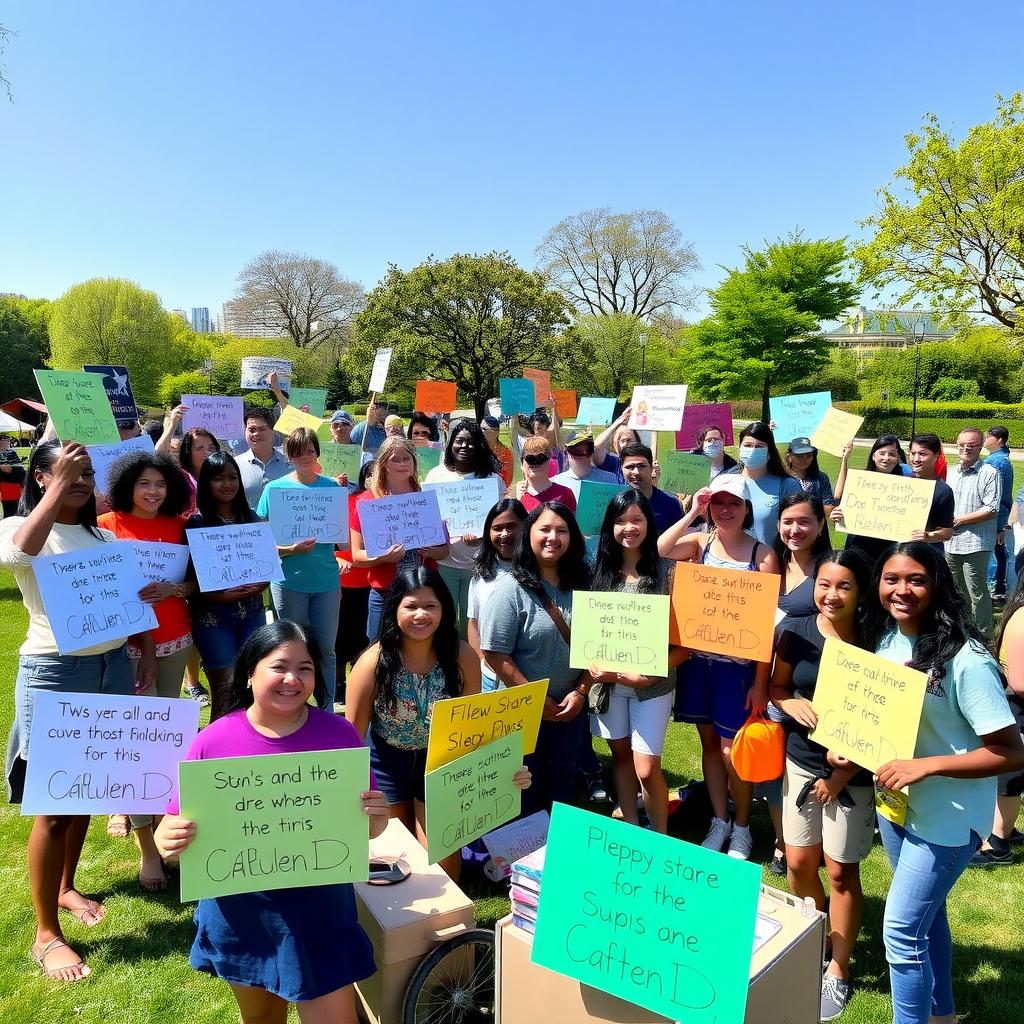
Advocacy doesn’t just happen—it’s a process. Volunteers start by identifying a need, like safer streets or better access to education. Then, they rally support, share stories, and push for action. Over time, these efforts lead to tangible wins: a new community center, a cleaner park, or a funded school program.
For example, in 2023, a group of volunteers in a small town advocated for a local recycling program. They collected signatures, spoke at town meetings, and shared data on waste reduction. Within a year, the town launched a recycling initiative, cutting landfill waste by 20%. That’s the power of advocacy—and measuring that 20% reduction shows the win.
Steps to Effective Advocacy
To make advocacy work, volunteers need a clear plan. Here’s how to get started:
- Identify the Issue: Pick a specific problem, like lack of affordable housing.
- Build a Team: Gather passionate volunteers who share the goal.
- Research and Plan: Use data to back up your case, like statistics on housing shortages.
- Engage the Community: Host events or campaigns to raise awareness.
- Track Progress: Measure outcomes, like the number of people reached or policies changed.
These steps ensure advocacy isn’t just talk—it’s action with results.
Measuring Community Wins: Why It’s Crucial
Tracking impact isn’t just about numbers—it’s about understanding what works. Volunteers might feel good about a rally, but did it change minds? Did it lead to new policies? Measuring wins helps answer these questions and keeps everyone motivated.
For instance, a volunteer group pushing for mental health resources might track how many people accessed new services after their campaign. If 500 people got help, that’s a measurable win. It also shows where to focus next—maybe expanding services or reaching more people.

Tools for Tracking Impact
To measure community wins, volunteers need the right tools. Here are some practical options:
| Tool | Purpose | Example Use |
|---|---|---|
| Surveys | Gather community feedback | Ask residents how a new park improved their lives |
| Data Tracking | Monitor measurable outcomes | Track the number of new voters after a registration drive |
| Stories & Testimonials | Capture personal impact | Collect stories from families helped by a food drive |
| Social Media Analytics | Measure reach and engagement | Count shares and comments on an advocacy campaign post |
Using these tools, volunteers can see the ripple effect of their work. For example, a survey might reveal that 80% of residents feel safer after a streetlight campaign. That’s a win worth celebrating.
Building Sustainable Advocacy Programs for Volunteers
Great advocacy doesn’t stop at one win. Sustainable programs keep volunteers engaged and communities growing. Here’s how to build one:
- Train Volunteers: Offer workshops on public speaking or data collection.
- Set Clear Goals: Define what success looks like, like reducing pollution by 10%.
- Celebrate Wins: Share successes, big or small, to keep momentum.
- Adapt and Improve: Use data to tweak strategies, like targeting new audiences.
In 2024, a volunteer group in a coastal town built a program to protect marine life. They trained 50 volunteers, tracked clean-up efforts, and measured a 15% drop in beach litter. By celebrating these wins, they kept volunteers excited and attracted more supporters.
Challenges in Measuring Impact
Tracking impact isn’t always easy. Volunteers might struggle with limited resources or unclear goals. Some changes, like shifts in community attitudes, are hard to quantify. But even small wins matter. For example, if a campaign inspires one person to vote for the first time, that’s progress.
To overcome challenges, start small. Focus on one metric, like event attendance, and build from there. Use free tools like Google Forms for surveys or social media insights for engagement. Over time, these small steps add up to big results.
Real-World Impact: A Volunteer’s Story
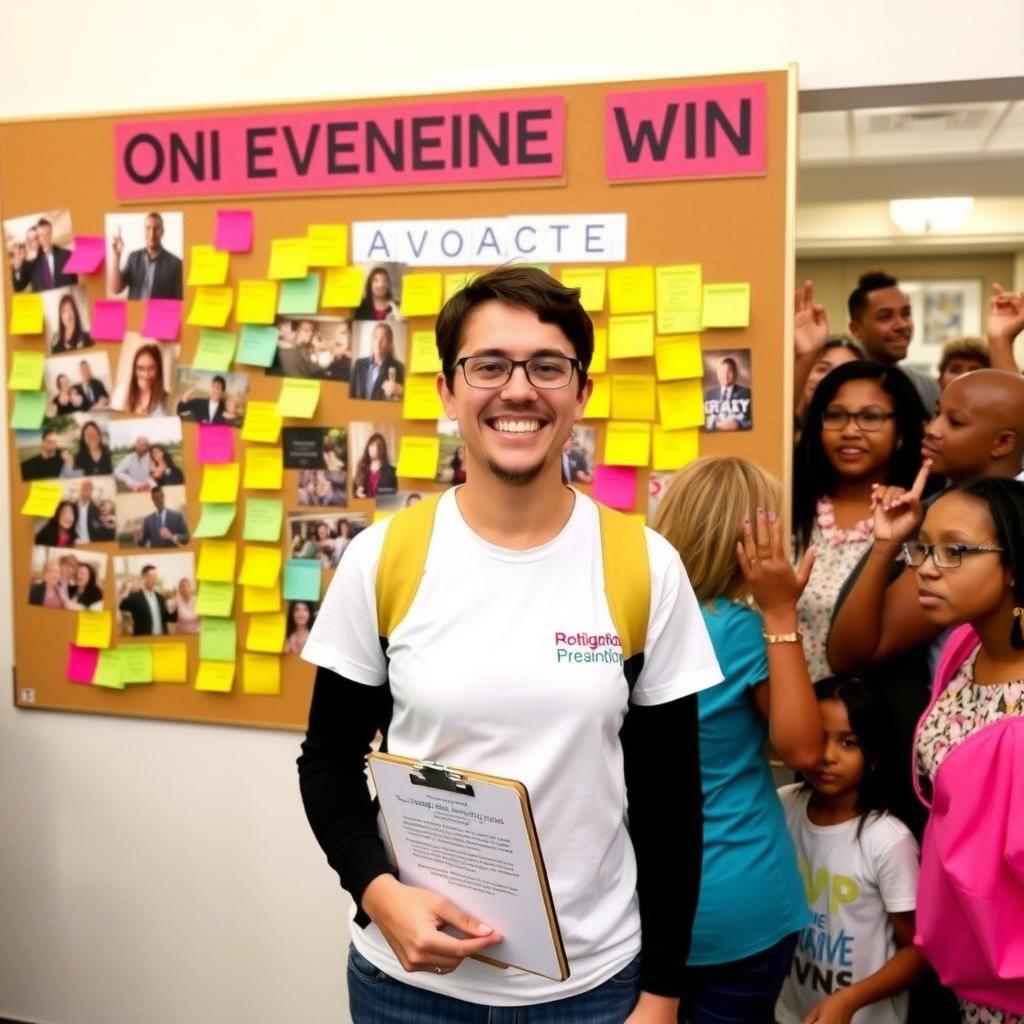
Take Sarah, a volunteer in a mid-sized city. She joined an advocacy group to improve local playgrounds. Her team tracked the number of families using the parks before and after their campaign. After new equipment was installed, usage doubled. Sarah’s group also surveyed parents, finding 90% felt the parks were safer. By measuring these wins, Sarah’s team proved their impact and secured funding for more upgrades.
Stories like Sarah’s show how advocacy leads to community change. They also remind us that every volunteer’s effort counts, especially when you can see the results.
Summary: Turning Advocacy Into Lasting Change
Advocacy is a powerful tool for volunteers to create community change. By tracking impact—through surveys, data, or stories—volunteers can measure their wins and keep pushing forward. Whether it’s a cleaner park or a new policy, every step counts. With clear goals, the right tools, and a focus on sustainability, advocacy programs can transform communities for the better.