Turning Volunteers into Advocates: Strategies for Nonprofits
Discover practical strategies to transform dedicated volunteers into passionate advocates who amplify your nonprofit's mission, boost engagement, and drive lasting impact.
4 min read
Volunteers already give their time and energy to your cause. With the right approach, you can turn that commitment into powerful advocacy that reaches new supporters and strengthens your mission. This guide shares real-world strategies for deepening volunteer engagement and creating true advocates.

Many nonprofits focus on recruiting volunteers but miss the opportunity to nurture them into advocates. Advocates do more than show up—they tell your story, recruit others, and even support your work financially. Studies show that volunteers are often more trusted messengers than paid staff because their involvement feels authentic.
One statistic that stands out: volunteers are significantly more likely to become donors. Turning volunteers into advocates creates a virtuous cycle of support, awareness, and resources for your organization.
Why Volunteers Make Excellent Advocates
Volunteers develop a deep personal connection to your mission through hands-on work. They see the impact firsthand, which makes their stories compelling and credible. Friends and family trust them more than official communications.
When volunteers speak about your cause, they bring passion and real examples that resonate. This grassroots advocacy can expand your reach far beyond what your staff could achieve alone.
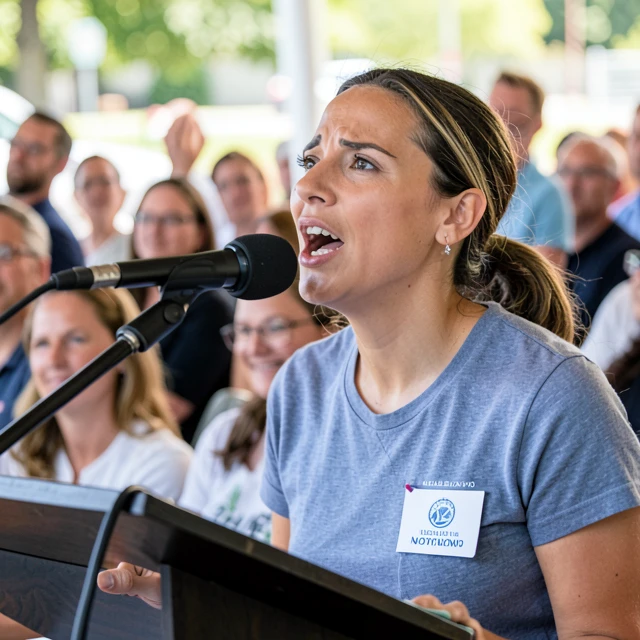
According to research from Independent Sector, volunteers enhance transparency and build trust in nonprofits by involving the community directly. Their advocacy helps bridge the gap between your organization and the public.
I once worked with a small environmental nonprofit where a regular trail cleanup volunteer began sharing before-and-after photos on social media. Within months, her network grew the volunteer base and attracted local media attention. Her authentic voice made all the difference.
Key Strategies for Turning Volunteers into Advocates
Successful programs follow a clear path: start with meaningful experiences, build connections, provide training, offer leadership roles, and show genuine gratitude.
1. Create Meaningful Volunteer Experiences
Assign tasks that match volunteers' skills and passions. A graphic designer might create social media graphics, while a teacher could lead educational workshops. Clear goals help them see how their efforts contribute to the bigger picture.
Regularly share impact stories. When volunteers know a child's life improved because of their tutoring hours, they feel invested and eager to share that success.
2. Foster Personal Connections
Build community through team-building activities, mentorship pairings, and casual gatherings. Personal relationships make volunteers feel like they belong, not just help out.
Share staff and beneficiary stories in small group settings. These moments create emotional bonds that motivate advocacy.
3. Provide Advocacy Training
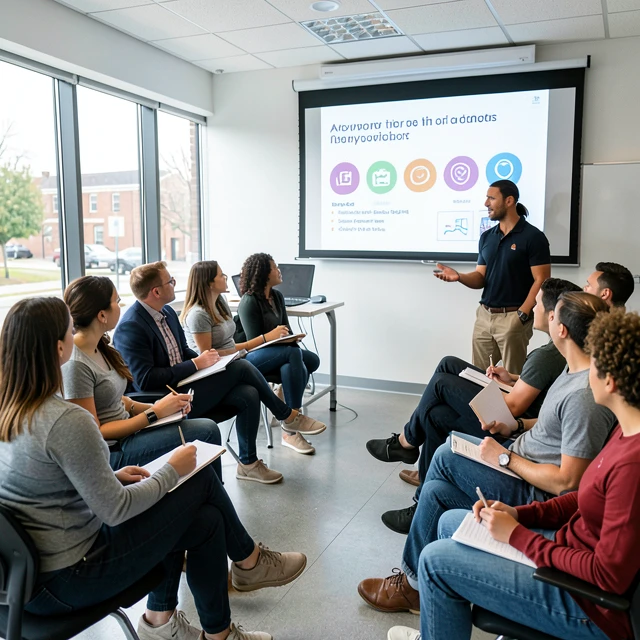
Offer practical workshops on sharing the mission effectively. Teach simple messaging, social media tips, and public speaking basics. Provide templates for emails, posts, or letters to elected officials.
Micro-advocacy works well for busy volunteers—small actions like signing petitions, sharing stories, or inviting friends to events. Training builds confidence so volunteers feel prepared to speak up.
Best Practices in Advocacy Volunteering
Best practices in advocacy volunteering emphasize empowerment over direction. Give volunteers ownership by letting them lead projects or represent your organization at community events.
Create ambassador programs where experienced volunteers mentor newcomers and speak publicly on your behalf. Recognize their contributions publicly through newsletters, social media features, and awards.
Cultivate a culture of gratitude with personalized thank-you notes, exclusive impact tours, and small perks. When people feel valued, they naturally become champions.
Use these actionable steps:
- Match skills to roles early
- Schedule regular feedback conversations
- Equip volunteers with shareable content
- Invite them to co-create events
- Track and celebrate advocacy wins together
Measuring Success in Advocacy Efforts
Tracking results helps refine your approach. Look beyond hours served to measure transitions: how many volunteers become donors, recruit others, or increase their involvement?
Key metrics include: - Number of volunteer-led social media posts or shares - Referrals from volunteers - Funds raised through peer-to-peer efforts - Feedback scores on volunteer satisfaction - Policy changes or media mentions influenced by advocacy
Use simple surveys and CRM tools to gather insights. Ask volunteers what support they need and how they prefer to advocate. Adjust based on their responses.
According to guidance from the Council of Nonprofits, advocacy evaluation should focus on flexible benchmarks since progress is often incremental, such as improved relationships with policymakers or increased public awareness.
In my experience, the most successful programs review these metrics quarterly and celebrate small wins to keep momentum high.
Overcoming Common Challenges
Time constraints affect many volunteers. Offer flexible, bite-sized advocacy opportunities that fit busy schedules. Digital tools make participation easier than ever.
Fear of public speaking or lack of confidence can hold people back. Start small with private sharing or behind-the-scenes support before moving to public roles.
Maintain consistent communication through newsletters, dedicated apps, or online groups so volunteers stay informed and connected even when not on site.
Building Long-Term Advocacy
Treat advocacy as a natural progression in the volunteer journey. Create clear pathways from one-time helper to leader and advocate.
Invite volunteers to join advisory committees, speak at fundraisers, or participate in legislative visits. The more ownership they feel, the stronger their advocacy becomes.
Remember that authentic advocacy stems from genuine passion. Focus on deepening their connection to the cause rather than pushing specific actions.
In summary, turning volunteers into advocates requires intentional effort but delivers powerful returns. By creating meaningful experiences, offering training, providing leadership opportunities, and showing appreciation, you transform helpers into lifelong champions.
Start small today: review one volunteer's role and think about how to add an advocacy element. The ripple effect can transform your nonprofit's reach and impact.