Understanding Advocacy and its Role in Political Campaigns
Explore Understanding Advocacy and its Role in Political Campaigns, from grassroots efforts to digital volunteer coordination. Discover practical tips on advocacy volunteering in political campaigns and proven strategies from Managing Volunteers in the Digital Age by Nancy Macduff.
4 min read
Understanding Advocacy and its Role in Political Campaigns starts with one simple idea: real people making their voices heard to shape the future. Advocacy means speaking up for causes you believe in—whether it is protecting the environment, improving healthcare, or ensuring fair elections. In political campaigns, it becomes a powerful tool that turns ideas into votes and policies into action.
This guide breaks down exactly how advocacy works in campaigns today. You will learn practical steps, real-world examples, and easy ways to get involved. Whether you are a first-time volunteer or a seasoned coordinator, these insights will help you make a bigger impact.
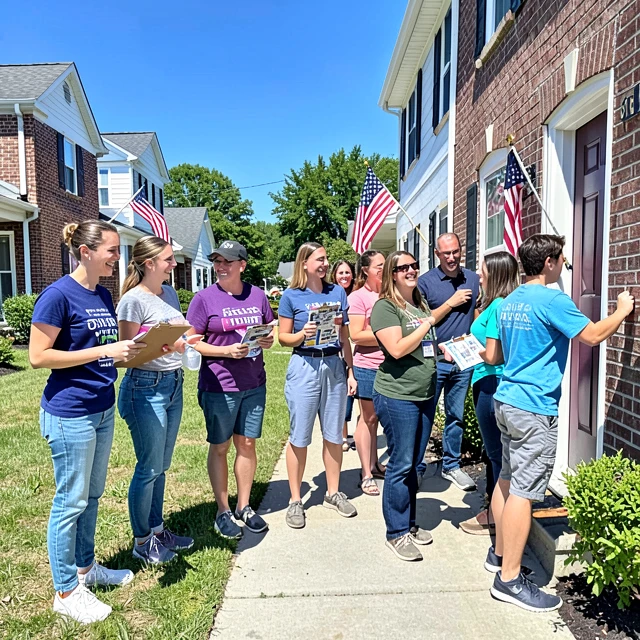
Advocacy volunteering in political campaigns goes far beyond handing out flyers. It involves building relationships, sharing stories, and motivating others to care about the same issues you do. Volunteers talk to neighbors, organize events, and use social media to spread messages that matter.
Think of it as the heartbeat of any successful campaign. Without dedicated advocates, even the best ideas stay hidden. Campaigns rely on people like you to connect candidates with voters on a personal level.
At its core, advocacy in politics means influencing decisions that affect communities. It can be as simple as writing letters to lawmakers or as organized as running phone banks to get people to vote. The goal stays the same: create change that improves lives.
A study from Baruch College shows nonprofits and advocacy groups play a key role in shaping public policy by bringing community voices directly to decision-makers. You can explore the full primer on the policy-making role of nonprofit organizations here: A Primer on the Policy Making Role of Nonprofit Organizations from Baruch College.
Political campaigns use advocacy to stand out in crowded elections. Candidates run on platforms built around specific causes. Advocates help by explaining these platforms in ways everyday people understand. They knock on doors, host town halls, and share videos online.
One clear example comes from campus research at Furman University. Their report on campaigns and interest advocacy explains how organized groups amplify voter concerns and push issues onto the election agenda. Read the full analysis here: Campaigns and Interest Advocacy from Furman University.
Advocacy volunteering in political campaigns has grown even stronger in recent years. More people now join through apps and online platforms. They sign petitions from their phones or join virtual rallies from home. This shift makes participation easier but also creates new challenges for keeping everyone engaged.
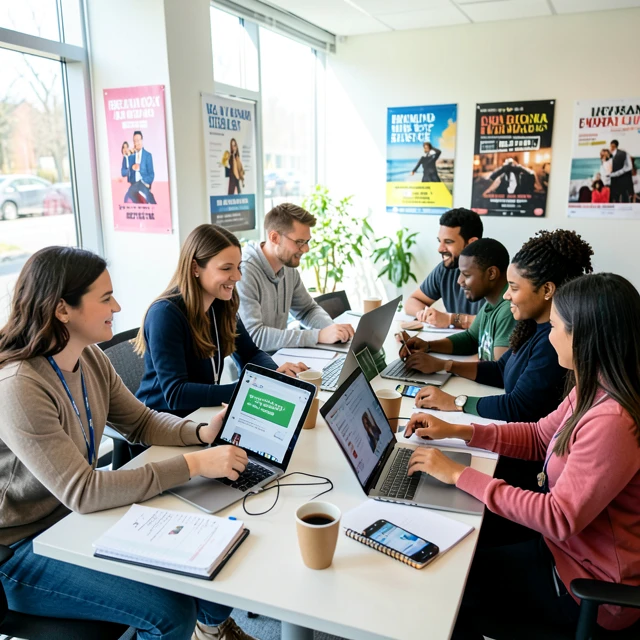
Managing volunteers effectively matters more than ever. Nancy Macduff, a leading expert in the field, wrote Managing Volunteers in the Digital Age to address exactly these changes. Her book shares timeless tips updated for today’s technology-driven world. Coordinators who follow her advice build stronger teams that stay motivated from the first rally to election day.
You do not need fancy tools to start. Simple check-ins, clear tasks, and genuine thank-yous go a long way. Volunteers want to feel their time makes a real difference.
Here are some proven best practices every campaign coordinator should know:
- Set clear roles right away – Tell each volunteer exactly what they will do and why it matters.
- Use digital tools wisely – Apps like Slack or volunteer management software help track shifts without overwhelming anyone.
- Offer flexible schedules – People juggle jobs and families, so let them choose times that work.
- Provide quick training – Short videos or 15-minute sessions prepare volunteers better than long lectures.
- Celebrate wins together – Share stories of successful calls or new voters reached to keep energy high.
These steps come straight from Volunteer Management: Best Practices for Campaign Coordinators and match the advice in Nancy Macduff’s work.
In my own experience coordinating local campaigns, the biggest lesson was listening first. One volunteer told me she joined because a simple health-care issue affected her family. Her story convinced more neighbors than any brochure ever could. Personal stories turn abstract advocacy into something real and urgent.
Digital tools help scale that power. A single well-timed social media post can reach thousands, but only if volunteers feel supported. That is where good management shines.
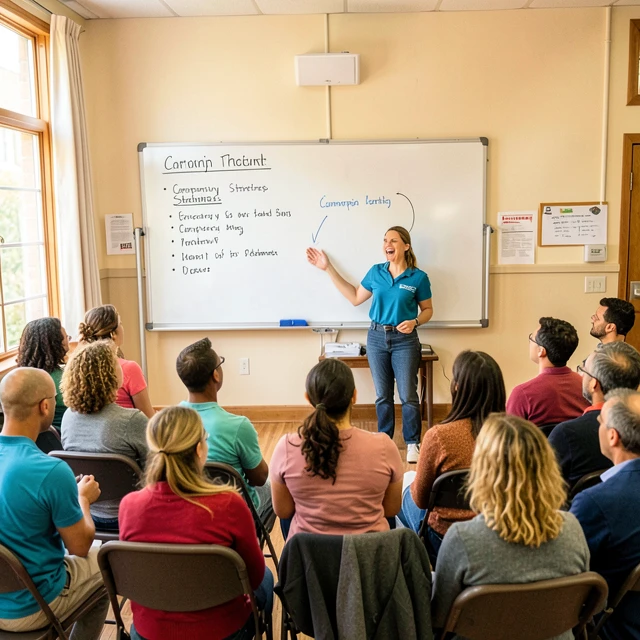
Pew Research Center data shows that while many people care about politics, fewer actually volunteer. Only about 27 percent join organized efforts worldwide. Campaigns that make volunteering easy and rewarding close this gap fast. You can check the full global participation report here: International Political Engagement from Pew Research Center.
Another helpful resource explains why advocacy matters on a deeper level. Yeshiva University outlines ten clear reasons, from giving voice to the voiceless to creating lasting policy change. Their guide helps new advocates understand the bigger picture: 10 Reasons Why Advocacy is Important from Yeshiva University.
Digital challenges also bring new opportunities. Volunteers today expect quick feedback and meaningful tasks. Coordinators who send daily updates or create online leaderboards see higher retention. Yet nothing replaces face-to-face connection. The best campaigns blend both worlds.
Ready to take action? Start small. Join one local event or make five phone calls this week. Track what works and share it with your team. Over time, these efforts add up to real electoral wins and stronger communities.
Advocacy volunteering in political campaigns rewards everyone involved—voters feel heard, candidates gain support, and volunteers discover new skills and friendships.
Understanding Advocacy and its Role in Political Campaigns comes down to people working together for shared goals. When volunteers feel valued and coordinators use smart strategies, campaigns thrive. The digital age makes it easier than ever to join, but the heart of success stays human connection.
Start today. Your voice—and your time—can shape the next election.