Understanding Public Policy: A Beginner's Guide to Making a Difference
Discover the basics of public policy, learn how to start an advocacy campaign, and find out how you can get involved as a volunteer. This comprehensive guide is perfect for beginners looking to make an impact.
3 min read

Public policy shapes our world in countless ways, from the air we breathe to the taxes we pay. This beginner's guide will demystify the complex world of public policy, showing you how it works, why it matters, and how you can make a difference. Whether you're curious about advocacy or considering volunteering, you'll find practical insights here.

What is Public Policy?
Public policy refers to the decisions and actions governments take to address societal needs. It includes laws, regulations, and programs designed to solve problems and improve lives. Think about speed limits on roads or funding for public schools—these are public policies at work.
At its heart, public policy acts like a roadmap. It guides how resources are used and sets rules for communities. For example, a city might pass a policy to build more parks, directly affecting where families spend their weekends. Understanding public policy helps you see how these decisions shape your life.
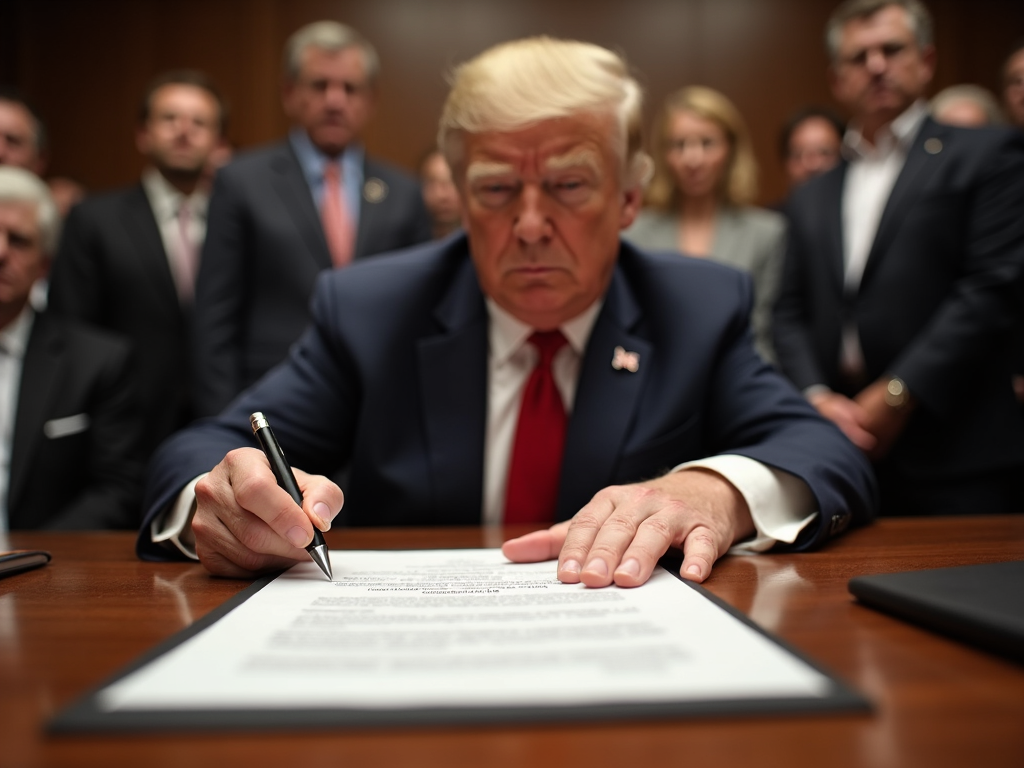
Take healthcare as another example. Policies determine who gets access to medical services and how they’re paid for. In the U.S., programs like Medicare stem from public policy choices. Knowing this empowers you to ask questions and push for changes that matter to you.

Why Public Policy Matters
Public policy affects everyone, not just lawmakers. It decides how safe your drinking water is, how much you pay in taxes, and even how clean the air stays. These choices hit close to home.
I remember noticing this when my town debated a new recycling program. At first, it felt distant—until I saw how it cut down trash in my neighborhood. That’s when I realized public policy isn’t abstract; it’s personal. By grasping its impact, you can spot opportunities to improve your community.

Policies also spark change. When people pushed for seatbelt laws, car accidents became less deadly. That’s the power of public policy—it turns ideas into action. You don’t need to be an expert to care; you just need to see how it connects to your life.

Understanding the Basics of Campaign Research
Campaign research is how you gather facts to support a cause. It’s essential for advocacy because it shows you what’s happening and who’s involved. Without it, you’re guessing instead of planning.
Start small. Pick an issue—like a proposed tax hike—and dig in. Check government websites, read local news, or attend public meetings. The U.S. Government Publishing Office offers a wealth of policy info to explore. Ask: Who benefits? Who’s against it? What’s at stake?

Here’s a quick breakdown:
| Step | Action |
|---|---|
| Define the Issue | What policy are you studying? |
| Find Sources | Use news, reports, or meetings |
| Analyze | Look for patterns and key players |
Research isn’t fancy—it’s practical. It gives you the tools to argue your case and win support.
How to Start an Advocacy Campaign
Advocacy means standing up for what you believe in. It’s how regular people influence public policy. Starting an advocacy campaign sounds big, but it’s doable with clear steps.
First, pick your issue. Maybe it’s cleaner parks or better school funding. Next, learn the facts—research shows you what’s possible. Then, team up with others who agree. A strong group gets more attention.
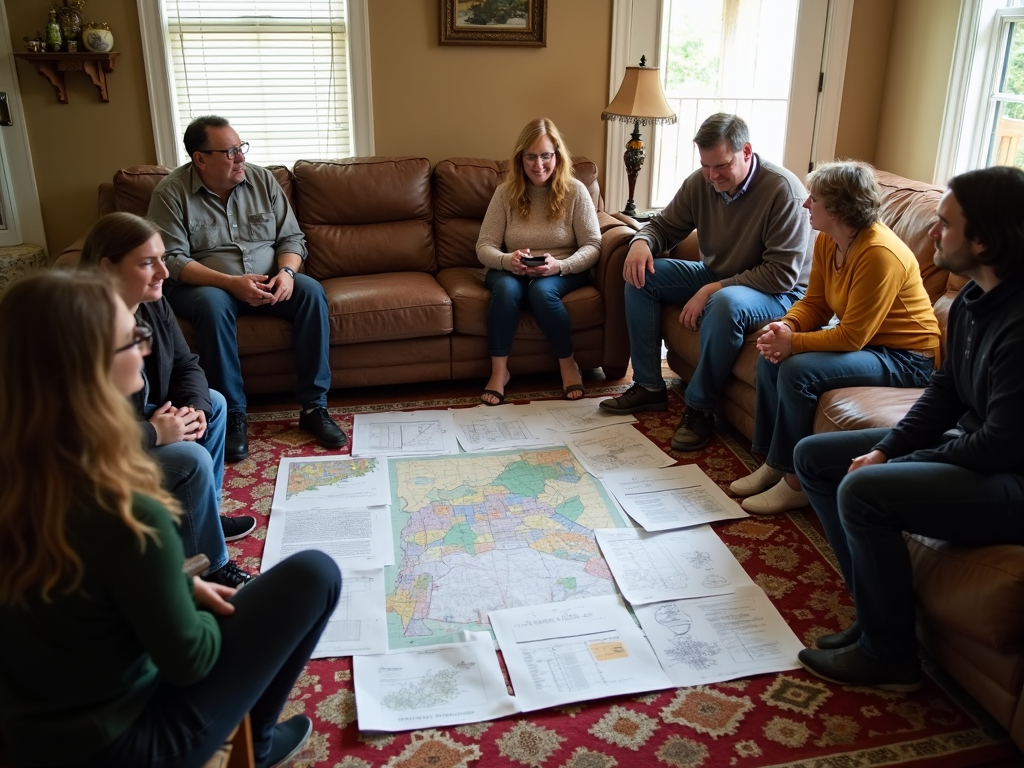
Here’s how to begin:
- Choose your goal: What change do you want?
- Study up: Know the policy and players.
- Gather support: Find allies in your community.
- Speak out: Write letters or meet officials.
- Keep going: Change takes time—stay at it.
A friend of mine rallied parents to fix a dangerous intersection. They researched crash data, got signatures, and won. Advocacy works when you act.
The Role of Volunteers in Public Policy
Volunteers fuel policy change. They knock on doors, share info, and show up when it counts. Without them, many advocacy efforts would stall.
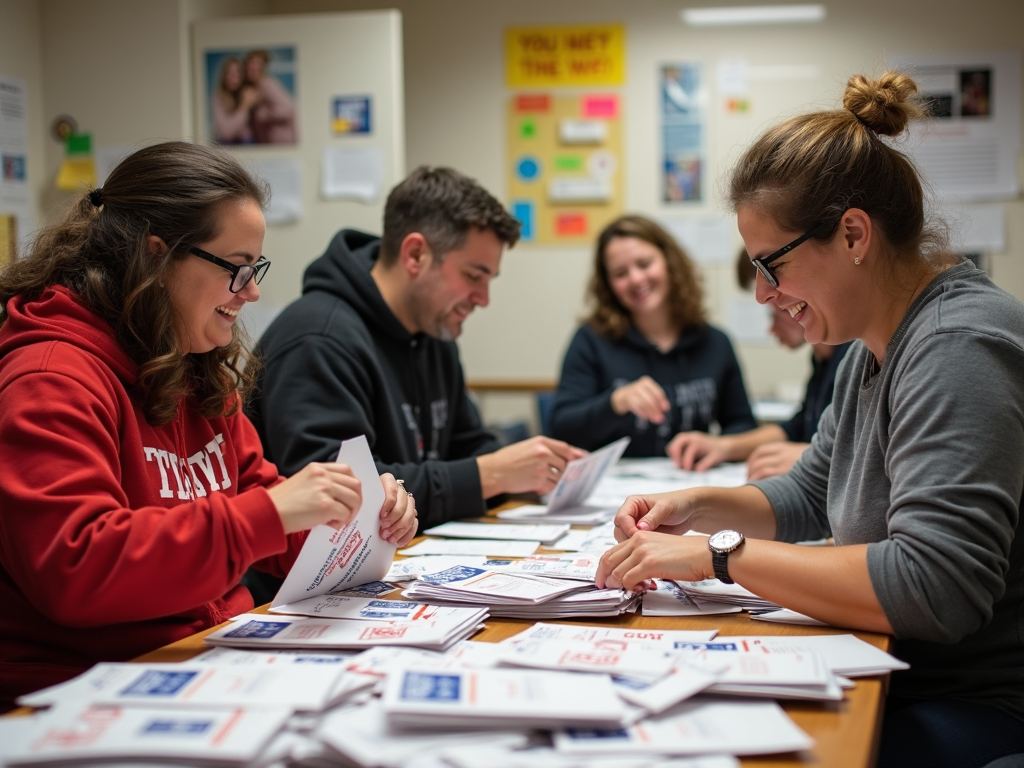
Volunteering also teaches you the ropes. I once helped a group push for more library funding. Sorting flyers and talking to voters opened my eyes to how policies get made. You don’t need experience—just willingness.
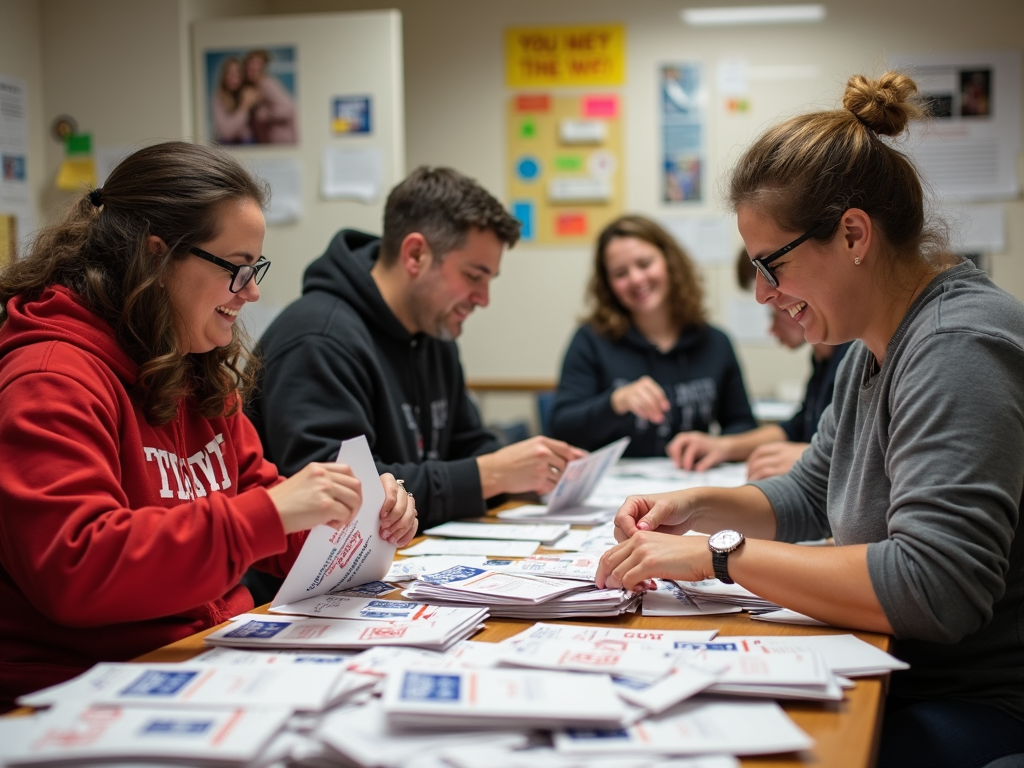
Try these volunteer roles:
- Spread the word: Hand out info or post online.
- Support events: Help with rallies or talks.
- Collect data: Survey people or track results.
Volunteering builds skills and community. It’s a simple way to shape public policy from the ground up.

Summary
Public policy isn’t just for insiders—it’s for you. It decides how society runs and how problems get fixed. This guide showed you what it is, why it matters, and how to act through advocacy and volunteering. Take one step today—read more, join a group, or speak up. Small moves lead to big wins.