Understanding Social Movements: A Comprehensive Guide
Discover what drives social movements, how they succeed, and the vital role of advocacy volunteers. This comprehensive guide offers practical insights, success stories, and actionable tips for anyone passionate about creating change.
3 min read
Social movements shape our world. From civil rights to climate action, they bring people together to demand change. This Understanding Social Movements: A Comprehensive Guide explores how these efforts start, grow, and make lasting impact. You will learn practical lessons and inspiring stories that show ordinary people creating extraordinary results.
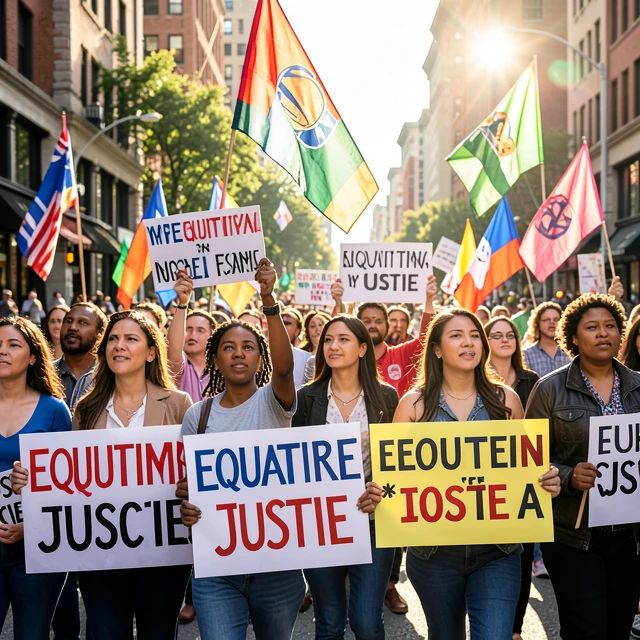
At their core, social movements are collective actions by people who want to fix problems in society. They usually focus on issues like equality, environmental protection, or human rights. These movements rely on advocacy to raise awareness and push for policy changes.
You might wonder what makes a movement successful. Strong leadership, clear goals, and dedicated volunteers often play key roles. Volunteers give their time and energy because they believe in the cause. Their commitment turns ideas into real action.
What Exactly Are Social Movements?
Social movements happen when groups of people organize to challenge the status quo. They use protests, petitions, social media, and community meetings to spread their message. Unlike one-time events, movements build momentum over time.
History shows us powerful examples. The women's suffrage movement fought for voting rights. The civil rights movement in the United States ended legal segregation. Today, movements address climate change and social justice. Each one proves that collective voices can create big shifts.
Modern movements benefit from technology. Social media helps organizers reach millions quickly. However, online activity alone rarely creates deep change. Real progress needs people willing to show up, speak out, and do the everyday work.
The Role of Advocacy and Volunteers
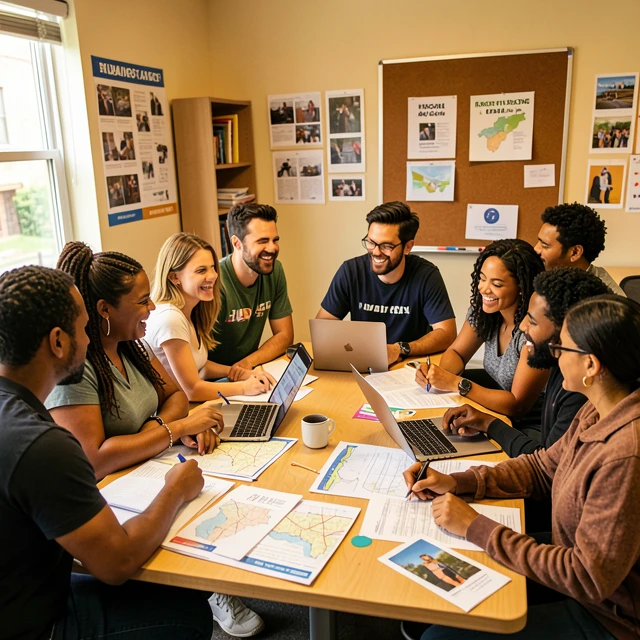
Advocacy means speaking up for a cause. Effective advocates research issues, connect with decision-makers, and tell compelling stories. Volunteers power most movements. They organize events, knock on doors, and support those most affected.
Success stories of advocacy volunteers highlight the difference one person can make. In the fight against plastic pollution, volunteers collected data, educated communities, and pushed companies to change packaging. Their efforts led to new laws in several countries.
Another inspiring case comes from local housing advocacy. A group of volunteers helped tenants document unfair practices. Their work resulted in stronger tenant rights protections. These stories show that consistent effort by dedicated people creates tangible results.
Volunteers often start small. They might join a local clean-up or sign a petition. Over time, many become leaders who train others. This growth builds strong networks ready for bigger challenges.
How Social Movements Form and Grow
Movements usually begin when enough people feel frustrated by the same problem. A triggering event, like an unjust law or environmental disaster, often sparks action. Leaders emerge who frame the issue clearly and propose solutions.
Successful movements share common traits: - Clear, shared goals - Strong community ties - Adaptability to new challenges - Ability to attract allies - Persistent action over many years
Challenges exist too. Movements face opposition, internal disagreements, and burnout. Effective groups address these by building supportive cultures and celebrating small wins along the way.

Personal Insights from the Field
Having followed many movements closely, I have seen the power of genuine connection. People join because they care deeply. The most effective advocates listen first and then act. They build relationships across differences instead of focusing only on confrontation.
One volunteer I know started by handing out flyers. Years later, she helped shape national policy. Her journey taught me that patience and persistence matter more than dramatic moments. Small daily actions add up.
Practical Ways to Get Involved
You do not need special skills to start. Here are simple steps:
- Learn about issues that matter to you.
- Join local groups or online communities.
- Volunteer your time regularly.
- Share accurate information with friends and family.
- Support organizations with proven track records.
Consider your strengths. Are you good at writing, organizing events, or talking to people? Use those talents. Many movements welcome all levels of commitment.
Track your impact. Keep notes on what works and what does not. This reflection helps movements evolve and stay effective.
Measuring Success
Success looks different for each movement. Some win new laws quickly. Others change cultural attitudes over decades. Important measures include increased public awareness, policy changes, and stronger communities.
Remember that failure is part of the process. Many movements experience setbacks before breakthroughs. Resilient groups learn from these experiences and adjust their strategies.
In conclusion, understanding social movements reveals the incredible power of people working together. Through advocacy and volunteer efforts, ordinary individuals create meaningful change. Your participation can make a real difference.
Start where you are. Pick one cause that speaks to you and take that first step. History shows that dedicated people, united in purpose, can transform societies for the better.