Unlocking Impact: Essential Roles and Responsibilities of Advocacy Volunteers
Discover the dynamic world of advocacy volunteer roles and responsibilities. Learn how volunteers drive change, from community organizing to policy advocacy, with practical tips and real stories to inspire your journey.
4 min read
A Quick Overview of Advocacy Volunteering
Advocacy volunteering lets everyday people push for big changes. Whether you fight for environmental protections or support civil rights, these roles empower you to amplify voices that need hearing. In this guide, we'll explore advocacy volunteer roles and responsibilities, share real insights, and offer steps to get involved. Ready to make a difference? Let's dive in.
What Is Advocacy Volunteering?
Advocacy means speaking up for causes that matter. As a volunteer, you join efforts to influence decisions, raise awareness, and create lasting impact. It's not just about protests or petitions—it's about building coalitions and holding leaders accountable.
Think of it this way: volunteers like you bridge the gap between communities and power. According to the National Council of Nonprofits, advocacy efforts have shaped policies that affect millions. You don't need a fancy title; passion and persistence go far.
I've seen this firsthand. A few years back, I volunteered with a local housing advocacy group. We started small—door-to-door chats with families facing eviction. Those talks turned into city council testimonies that saved homes. It's rewarding work that builds skills and connections.
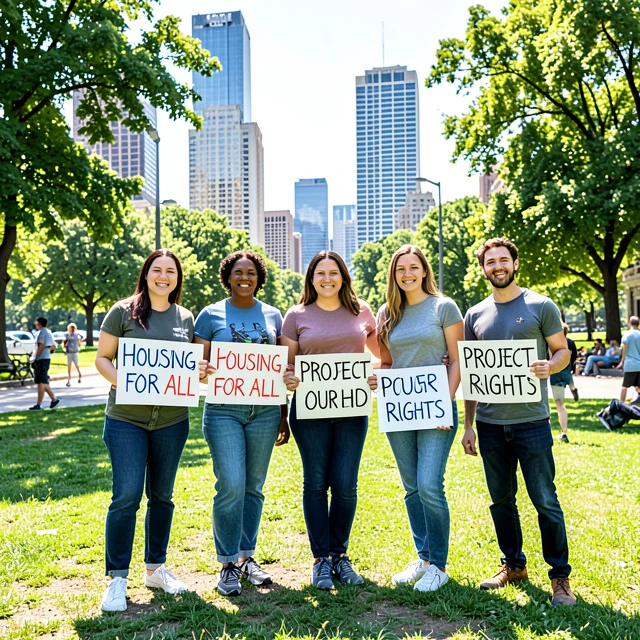
Core Advocacy Volunteer Roles
Advocacy volunteer roles vary by organization and cause, but they often fall into key categories. Here's a breakdown to help you find your fit:
| Role | Description | Skills Needed |
|---|---|---|
| Community Organizer | Rally neighbors for events and petitions. | Strong communication, event planning. |
| Policy Researcher | Dig into laws and data to build strong cases. | Research, attention to detail. |
| Media Liaison | Craft stories for press and social media. | Writing, public speaking. |
| Lobbyist Support | Meet lawmakers to push for change. | Networking, persistence. |
| Event Coordinator | Plan workshops or fundraisers. | Organization, creativity. |
Pick a role that matches your strengths. Many groups offer training, so beginners welcome!
One role that stands out is the community organizer. You knock on doors, host coffee chats, and listen deeply. It's exhausting but transformative. In my experience, these interactions uncover stories that fuel bigger campaigns—like turning personal hardships into policy wins.
Key Responsibilities in Advocacy Work
Volunteering in advocacy comes with clear duties. You commit time, stay informed, and act ethically. Let's unpack the essentials:
-
Stay Informed: Read up on your cause. Follow news from sources like ProPublica for investigative insights.
-
Engage Actively: Attend meetings, sign petitions, or call representatives. Consistency matters more than grand gestures.
-
Build Alliances: Connect with others. Diverse teams create stronger voices—reach out via local meetups or online forums.
-
Document Impact: Track your efforts. Share success stories to inspire more volunteers.
-
Respect Boundaries: Honor confidentiality and diverse opinions. Advocacy thrives on trust.
Responsibilities evolve with experience. Early on, I focused on data collection for a climate group—logging pollution reports from residents. Later, I led trainings, teaching new volunteers how to testify at hearings. Each step builds confidence and sharpens your voice.

Personal Insights: Real Stories from the Frontlines
Drawing from chats with fellow volunteers, here's what the work feels like. Sarah, a teacher turned advocate for education equity, shares: "I started by tutoring after school. Now, I lobby for fair funding. The wins—like smaller class sizes—make late nights worth it."
Then there's Jamal, who fights food insecurity. "Volunteering taught me resilience," he says. "We faced pushback from big ag lobbies, but our community gardens now feed 200 families weekly." These tales show advocacy's human side—messy, hopeful, and deeply connecting.
My own pivot came during a water rights campaign. We battled a factory polluting our river. Responsibilities included mapping affected areas and rallying support. The highlight? Seeing kids swim safely again. Moments like that remind you why you show up.
Challenges and Rewards of Advocacy Volunteering
No path is smooth. Burnout looms large—endless emails and setbacks test your grit. Diverse viewpoints can spark debates, too. Yet, the rewards shine brighter.
- Growth: Hone public speaking and leadership.
- Community: Forge lifelong bonds.
- Change: Witness tangible shifts, like new laws or funded programs.
To beat challenges, set boundaries. Schedule self-care and celebrate small victories. Groups like VolunteerMatch offer resources for balance.

How to Get Started in Advocacy Roles
Ready to jump in? Follow these steps:
-
Identify Your Passion: What issue fires you up? Environment? Justice? Health?
-
Find Opportunities: Use sites like Idealist.org or local nonprofits. Search for 'advocacy volunteer' near you.
-
Prepare: Brush up on basics. Read guides from the American Bar Association's pro bono resources.
-
Commit Gradually: Start with one event. Build from there.
-
Reflect and Adjust: Journal your experiences. What energizes you? Tweak as needed.
Starting small leads to big roles. I began with weekly calls; now I co-lead initiatives.
Pro tip: Join affinity groups if underrepresented. They provide tailored support and amplify unique perspectives.
Wrapping Up: Your Voice Counts
Advocacy volunteer roles and responsibilities offer a powerful way to shape the world. From organizing rallies to researching policies, your efforts create ripples of change. Remember Sarah and Jamal's stories—they started just like you might. Step in, stay committed, and watch the impact grow. What's your first move? The community awaits your energy.