Using Social Media to Amplify Your Grassroots Movement
Discover how to leverage social media to boost your grassroots movement. This comprehensive guide offers actionable strategies for successful grassroots campaigns, advocacy, and volunteering, helping you engage communities and drive real change.
4 min read
Overview
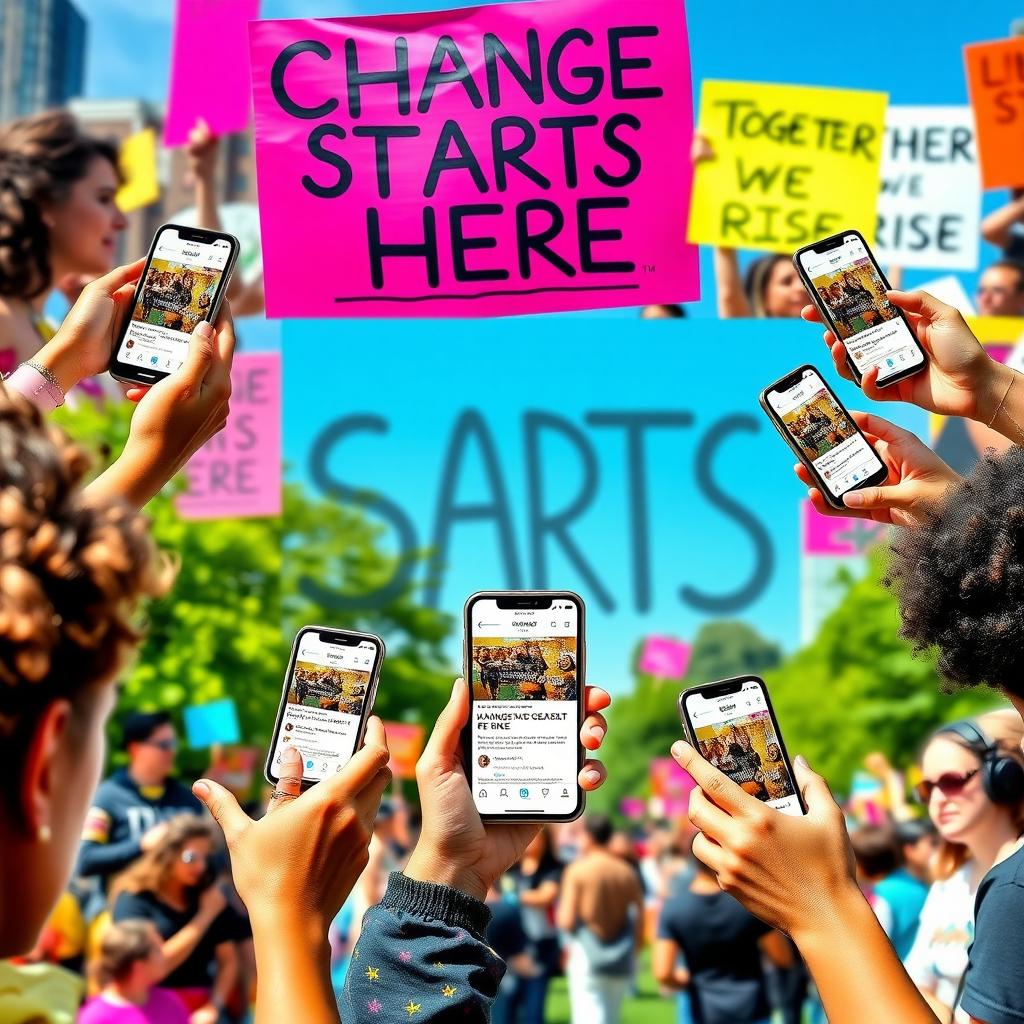
Social media has transformed how grassroots movements connect with people. It’s a powerful tool to spread your message, rally supporters, and drive change. Whether you're advocating for social justice, environmental action, or political reform, using social media to amplify your grassroots movement can make your voice heard globally. This guide shares practical strategies to maximize your impact.
Why Social Media Matters for Grassroots Movements
Grassroots movements thrive on community participation. Unlike top-down campaigns, they rely on ordinary people coming together for a shared cause. Social media platforms like X, Instagram, and Facebook break down geographic barriers, letting you reach millions instantly. According to a Pew Research Center study, 80% of Americans say social media is effective for raising awareness about political or social issues. This makes it a game-changer for advocacy and volunteering in political campaigns.
From my own experience volunteering with a local climate action group, I saw how a single viral post on X sparked a city-wide protest. It wasn’t just about numbers—it was about connecting with people who cared. Social media lets you share stories, inspire action, and build a community around your cause.

Strategies for Successful Grassroots Campaigns on Social Media
To make your movement stand out, you need a clear plan. Here are proven strategies to amplify your grassroots campaign using social media:
1. Craft a Compelling Narrative
Your message needs to resonate. Share real stories from people affected by your cause. For example, when I helped a community group advocate for affordable housing, we posted short videos of families sharing their struggles. These authentic stories got more shares than any polished ad could. Keep your message simple, emotional, and tied to your mission.
2. Choose the Right Platforms
Not all platforms are equal. X is great for real-time updates and engaging with influencers. Instagram works for visual storytelling, like photos from rallies. Facebook is ideal for building groups and organizing events. Pick platforms where your audience already hangs out. A study from Harvard University showed that targeted platform use increases engagement by 30% for advocacy campaigns.
3. Engage Your Audience Actively
Don’t just post and hope for likes. Ask questions, run polls, or host live Q&A sessions. When our climate group hosted a live Instagram session with a local activist, we doubled our followers in a week. Encourage followers to share your content and tag friends. Every share expands your reach.
4. Leverage Hashtags and Trends
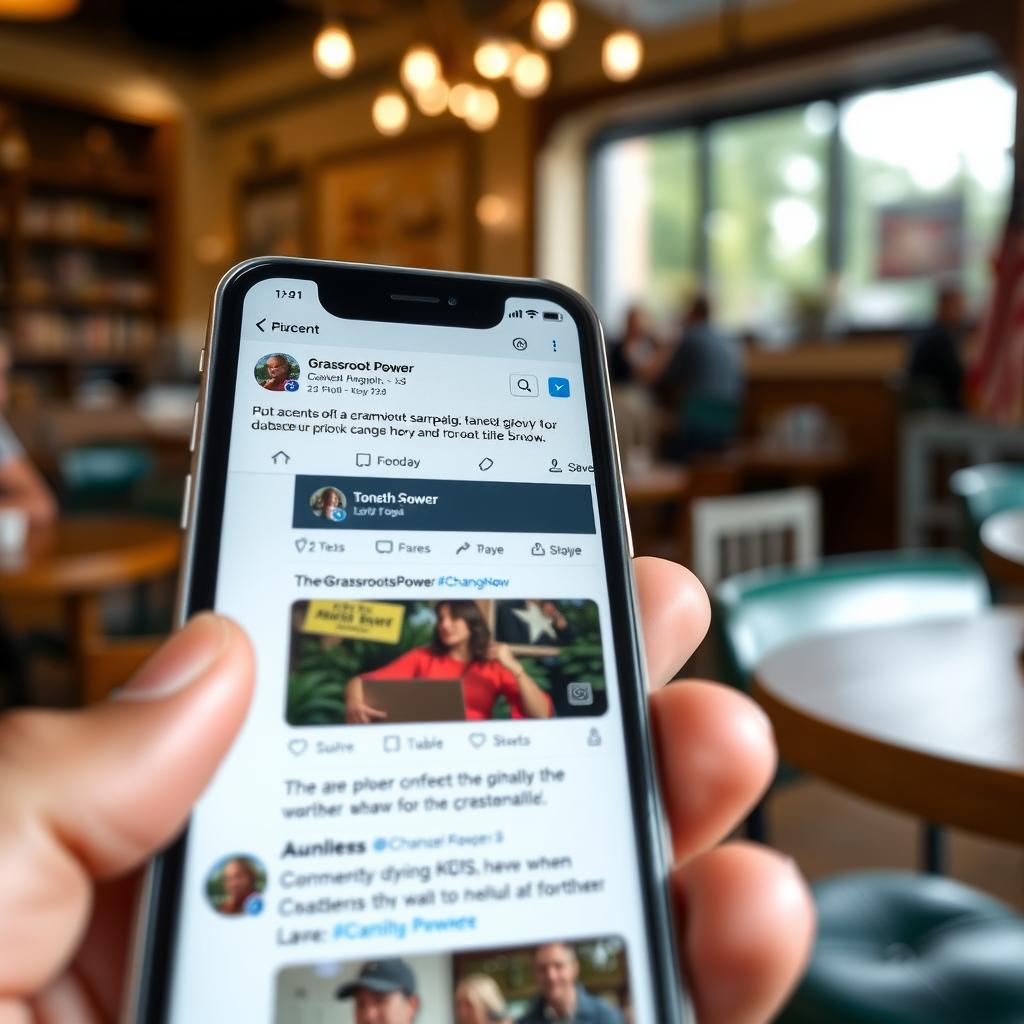
Hashtags make your content discoverable. The #BlackLivesMatter movement, for instance, used hashtags to spark global conversations, with the hashtag used nearly 30 million times on Twitter by 2018, per Pew Research Center. Create a unique hashtag for your campaign, like #SaveOurParks, and pair it with trending ones to boost visibility.
5. Partner with Influencers and Allies
Influencers can amplify your message. Find local leaders or micro-influencers who align with your cause. When I worked on a voter registration drive, we partnered with a local musician who shared our posts with her 10,000 followers. That single post led to 200 new volunteers. Reach out to influencers who care about your issue and offer them clear ways to help.
Advocacy Volunteering in Political Campaigns
Volunteering is the backbone of grassroots movements. Social media makes it easier to recruit and organize volunteers. Here’s how to use it effectively:
- Share Clear Calls to Action: Post specific tasks, like signing petitions or attending rallies. Include links to sign-up forms, like those on Quorum’s advocacy tools, which help track volunteer actions.
- Highlight Volunteer Impact: Share stories of volunteers making a difference. A photo of a volunteer registering voters can inspire others to join.
- Organize Online Training: Use platforms like Zoom or Facebook Live to train volunteers on advocacy techniques. Our housing campaign held weekly Zoom sessions, which kept volunteers motivated and informed.
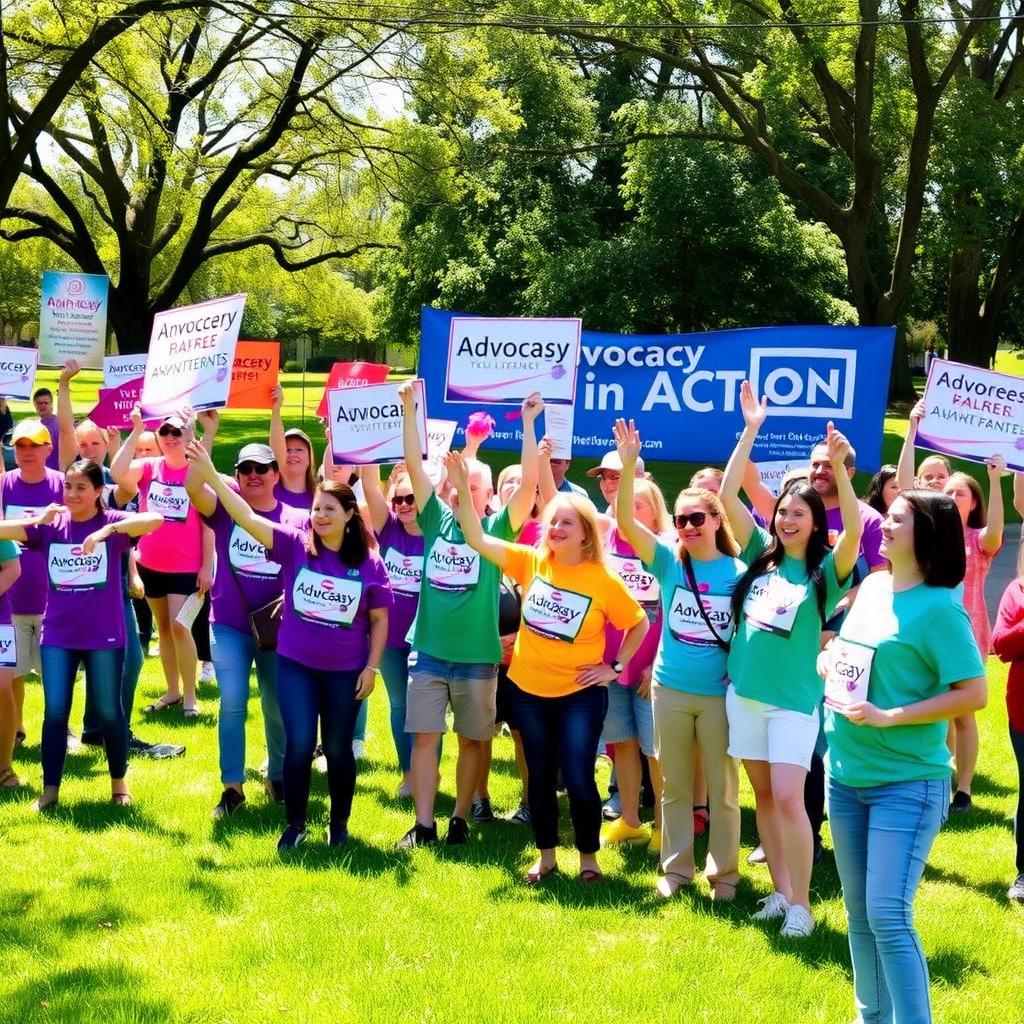
Volunteering isn’t just about time—it’s about passion. I’ve seen shy newcomers become campaign leaders after connecting with others online. Social media lets you build a community where volunteers feel valued and heard.
Measuring Success and Staying Authentic
Track your campaign’s success to keep improving. Use analytics tools on platforms like Instagram or X to see which posts get the most engagement. For example, our climate group noticed video posts got 50% more shares than text posts, so we focused on videos. But don’t chase numbers alone—authenticity matters. People can spot inauthentic campaigns a mile away. Stick to your values and avoid exaggerating claims.
A Stanford University study found that authentic messaging increases trust in advocacy campaigns by 25%. Share real stories, admit challenges, and celebrate small wins. This builds a loyal community that sticks with you long-term.
Overcoming Challenges
Social media isn’t perfect. Misinformation can spread fast, and negative comments can derail your message. Here’s how to handle common challenges:
| Challenge | Solution |
|---|---|
| Misinformation | Fact-check posts and link to credible sources. |
| Negative Comments | Respond calmly or ignore trolls. Focus on positive engagement. |
| Low Engagement | Experiment with post types (videos, polls) and posting times. |
During our housing campaign, we faced trolls on X. We ignored them and focused on sharing positive stories, which kept our supporters engaged.
Summary
Using social media to amplify your grassroots movement is about connecting with people, sharing authentic stories, and mobilizing volunteers. By crafting compelling narratives, choosing the right platforms, and engaging actively, you can turn a small idea into a global movement. Advocacy and volunteering in political campaigns thrive when you harness social media’s power to inspire and organize. Start small, stay true to your cause, and watch your impact grow.