Volunteer Abroad and Learn a Language: Unlock New Worlds Through Immersive Experiences
Discover how to volunteer abroad and learn a language at the same time. This guide covers benefits, tips, destinations, and real stories to help you plan your international volunteering adventure.
4 min read

Want to make a difference while picking up a new language? Volunteer abroad and learn a language combines helping others with cultural immersion. This approach lets you build skills, form connections, and grow personally in exciting ways.
Why Choose International Volunteering to Learn a Language?
Many people dream of speaking another language fluently. But classes and apps often fall short. That's where international volunteering shines. You live in a country where the language thrives. Every day, you chat with locals, solve problems, and share meals. This real-world practice speeds up learning.
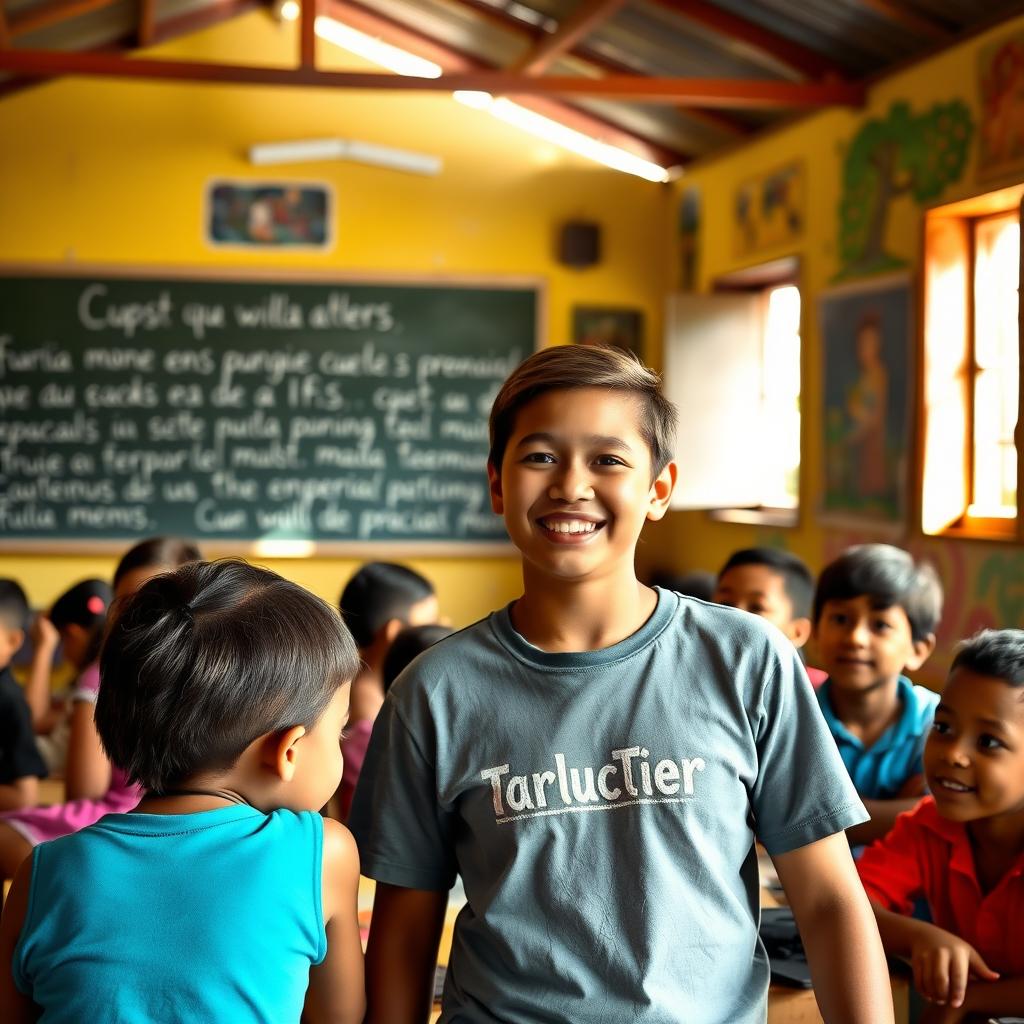
Volunteering abroad puts you in situations that force you to use the language. Imagine teaching kids in a school in Spain. You explain games in Spanish. Or, help build homes in France and discuss plans with workers. These moments stick better than textbook drills.
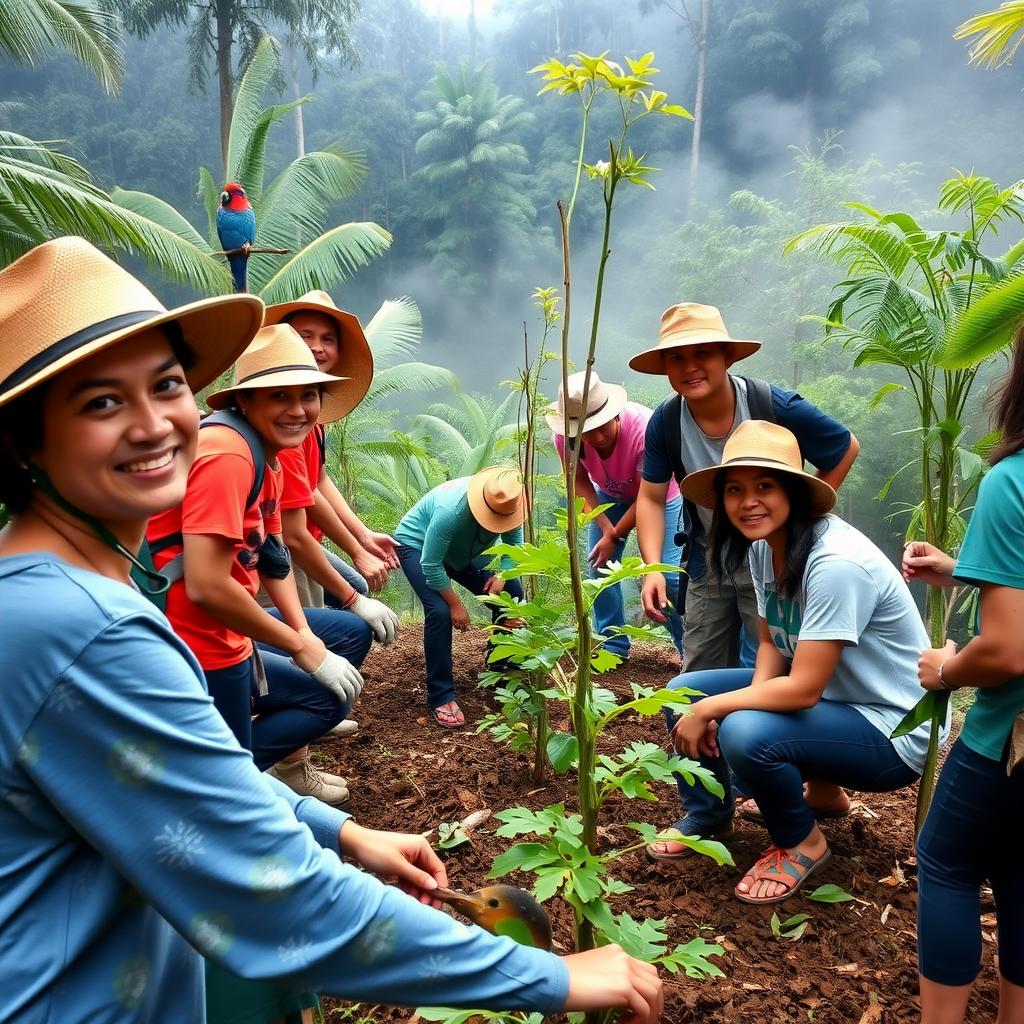
Plus, you give back. International volunteering tackles issues like education, conservation, or health. You see your impact firsthand. One volunteer I know helped protect turtles in Costa Rica. She learned Spanish by talking to rangers and villagers. Now, she speaks it like a pro.
Benefits of Combining Volunteering and Language Learning
This combo offers big wins. First, it boosts your resume. Employers love global experience and language skills. You show adaptability and teamwork.
Second, you gain cultural understanding. Living abroad teaches customs and viewpoints. You avoid tourist traps and dive deep into daily life.
Third, it's affordable. Many programs cover food and housing. Some even provide language classes. Compare that to pricey study abroad trips.
Health perks come too. Immersion reduces stress and builds confidence. Studies from the American Psychological Association show that helping others improves well-being. Link that with language gains, and you feel unstoppable.
Here's a quick list of key benefits:
- Faster language acquisition through daily use
- Meaningful contributions to communities
- Lifelong friendships across cultures
- Personal growth and self-reliance
- Cost-effective travel experience
How to Pick the Right Program
Start by matching your interests. Love animals? Look for wildlife projects. Enjoy kids? Choose education roles. Sites like GoAbroad.com list options. Filter by language and location.
Check program details. Ask about language support. Some offer classes; others expect basics. Read reviews on Trustpilot or Reddit for honest feedback.
Consider length. Short trips last weeks; long ones span months. Beginners might start short to test waters.
Budget matters. Factor in flights, visas, and extras. Free programs exist, but paid ones often include more perks.
Safety first. Research destinations via the U.S. State Department site (travel.state.gov). Pick reputable organizations like IVHQ or Projects Abroad.
Popular Destinations for Volunteering and Language Learning
Spain draws many for Spanish. Volunteer in Barcelona's community gardens. Practice with locals over tapas.
France offers French immersion. Help at vineyards in Provence. Learn phrases while picking grapes.
For Portuguese, try Brazil. Teach English in Rio favelas. Dance samba and chat in markets.
Asia beckons too. In Thailand, learn Thai while caring for elephants. Or, in Japan, volunteer at festivals and pick up Japanese.
Africa has options like Swahili in Tanzania. Build schools and share stories around campfires.
Here's a table of top spots:
| Destination | Language | Popular Volunteer Activities |
|---|---|---|
| Spain | Spanish | Teaching, conservation |
| France | French | Farming, cultural events |
| Brazil | Portuguese | Community development, education |
| Thailand | Thai | Animal welfare, teaching |
| Tanzania | Swahili | Building, healthcare |
Real Stories from Volunteers
Meet Sarah. She volunteered in Peru for three months. 'I arrived knowing basic Spanish,' she says. 'By the end, I dreamed in it.' She helped at an orphanage, playing games and reading books. Challenges arose, like homesickness, but locals' warmth helped.
Then there's Mike. He went to Germany to learn German. He volunteered at a refugee center. 'Conversations were tough at first,' he recalls. 'But explaining forms built my vocab fast.' He made friends who invited him to family dinners.
These tales show growth. Volunteers often return changed. They value simplicity and empathy more.
Tips for Effective Language Learning While Volunteering
Immerse fully. Speak the language daily, even if you err. Locals appreciate efforts.
Use apps like Duolingo for basics before going. Once there, journal in the new language.
Join homestays. Living with families accelerates learning. Share meals and stories.
Track progress. Set goals, like ordering food solo or debating topics.
Handle plateaus. When stuck, switch activities. Try cooking classes or sports.
Pack wisely. Bring a phrasebook and charger. Download offline dictionaries.
Overcoming Challenges
Culture shock hits hard. Foods, customs differ. Ease in by observing first.
Language barriers frustrate. Use gestures and smiles. Patience wins.
Health issues arise. Get vaccines and insurance. Eat well and rest.
Funding worries? Crowdfund or save. Some programs offer stipends.
Stay connected. Call home, but limit it to avoid distraction.

Wrapping Up: Your Next Step in International Volunteering
Volunteer abroad and learn a language opens doors. You help communities, master tongues, and discover yourself. Start small: research programs today. The world awaits.
For more ideas, check the recommended readings below.