Volunteer Abroad and Learn a Language: Transform Your Life Through Service and Immersion
Explore the joys of international volunteering paired with language learning. This guide offers practical tips, real stories, and insights to help you create meaningful connections while making a positive impact worldwide.
4 min read
A Quick Overview
Picture this: You arrive in a bustling market in Costa Rica, bartering for fresh fruit in halting Spanish while helping build a community center. That's the magic of volunteering abroad and learning a language. This approach blends hands-on service with cultural immersion, fostering personal growth and global ties. In about 1500 words, we'll dive into benefits, tips, and stories to inspire your journey.

Why Combine Volunteering Abroad with Language Learning?
You step off the plane, heart racing with excitement and nerves. International volunteering isn't just about giving back—it's about receiving too. When you pair it with learning a new language, the experience deepens. You connect on a human level, beyond gestures or apps.
Take Sarah, a friend of mine from college. She volunteered in Vietnam, teaching English in Hanoi orphanages. Before leaving, her Vietnamese was basic—hello, thank you, numbers for shopping. But daily chats with kids and host families turned phrases into conversations. By month's end, she haggled at markets and shared stories over pho. That immersion stuck; today, she uses it in her job as a translator.
Studies back this up. Learning a second language abroad sharpens your mind and builds empathy. According to experts at the University of California San Diego, it boosts cognitive skills like problem-solving and even delays mental decline. Explore five key reasons to learn a foreign language here, including career perks and cultural bridges.
Volunteering adds impact. The U.S. Census Bureau reports that 28.3% of Americans volunteered formally in 2023, contributing $167 billion in value. Abroad, this multiplies: You aid communities while gaining resilience.
Key Benefits at a Glance
Here's a quick list of wins from this dual path:
- Deeper Connections: Speak the local tongue, and doors open. Share laughs, not just nods.
- Skill Boost: Languages improve multitasking; volunteering hones leadership.
- Personal Growth: Face challenges like miscommunications—they build grit.
- Resume Gold: Employers love global experience. Bilingual volunteers stand out.
- Lasting Impact: Help sustainably, like teaching skills that endure.
These aren't fluffy promises. Data from the Peace Corps' 2024 survey shows 75% of volunteers felt highly satisfied, citing language gains and community bonds.
Choosing the Right Program for You
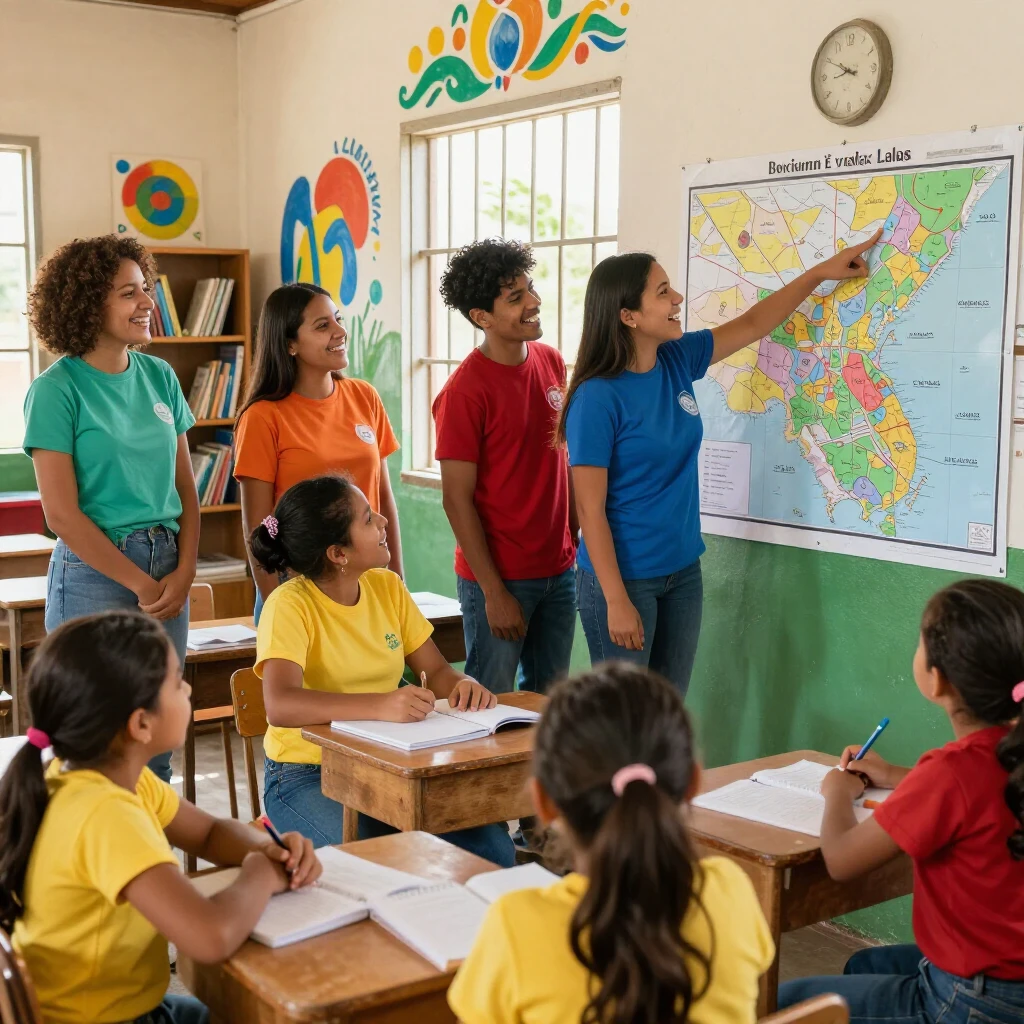
Not all volunteer gigs fit everyone. Start with your passions. Love animals? Opt for wildlife conservation in South Africa, practicing Zulu basics. Into education? Head to Guatemala for school projects, brushing up on Spanish.
Research reputable organizations. Look for transparency on fees, safety, and local partnerships. Avoid 'voluntourism' traps that exploit communities. The University of Oregon highlights programs like International Volunteer HQ, where you trade work for room and board, freeing time for language classes. Check their guide on opportunities for language learners.
Consider these factors:
| Factor | Why It Matters | Example |
|---|---|---|
| Duration | Short trips build basics; long ones fluency | 2 weeks in Thailand vs. 3 months in Peru |
| Location | Match language to ease | French in Senegal if you're intermediate |
| Cost | Budget for flights, visas | $500-2000 for programs, plus travel |
| Support | On-site language help? | Daily tutors or homestays |
I once advised a newbie: Pick based on heart, not hype. It leads to joy.
Real Stories: Lessons from the Field
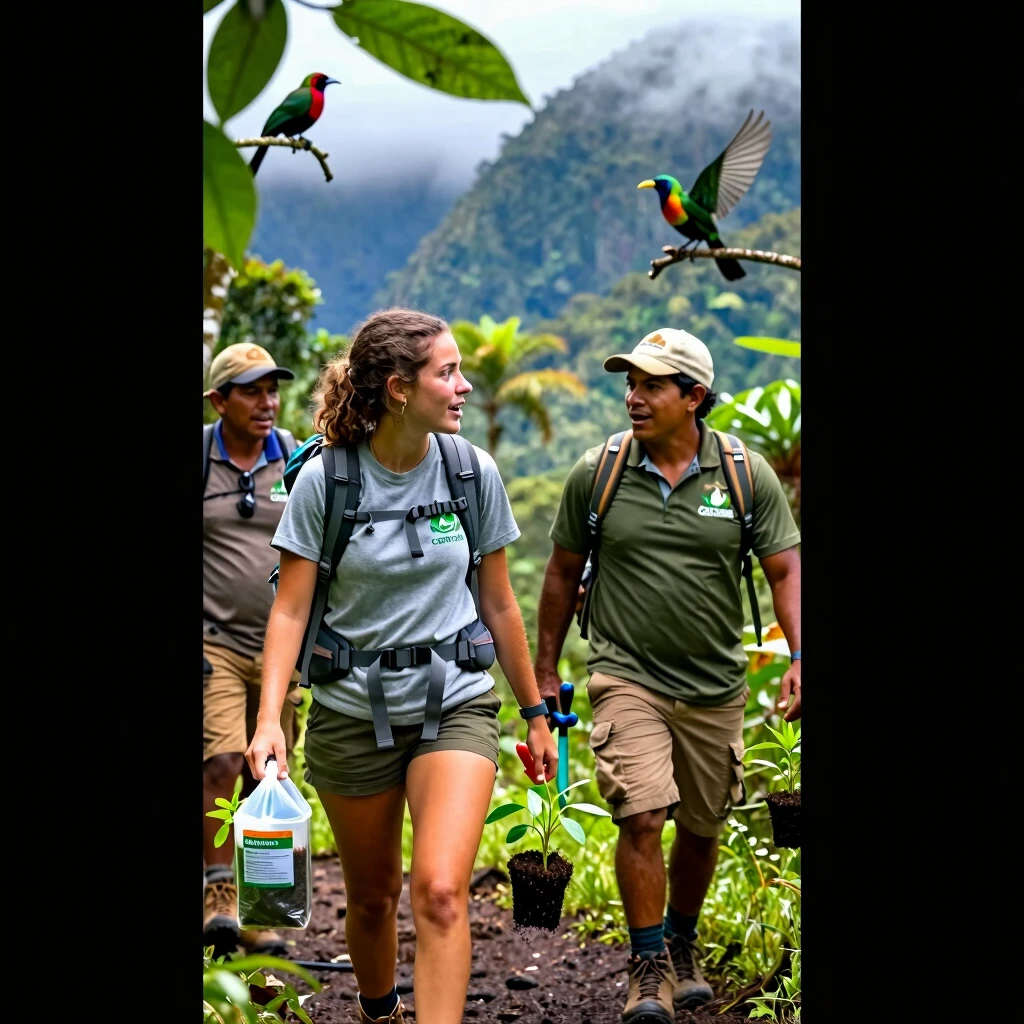
Let's get personal. I volunteered in rural Kenya two summers ago, focusing on water projects while tackling Swahili. Mornings meant digging wells with locals; afternoons, flashcards under acacia trees.
One day, a villager named Juma struggled explaining a pipe issue. My broken Swahili—'maji' for water, 'tatizo' for problem—sparked laughter, then clarity. We fixed it together. That moment? Priceless. It taught me patience and the power of trying.
Another tale: My cousin Mike in Italy. He joined a farm co-op, learning Italian through grape harvests. 'Forza!' (strength!) became his mantra. He returned fluent, with recipes and friends. International volunteering like this rewires you.
Challenges arise, sure. Culture shock hits hard. But stats show rewards outweigh: Reduced stress, better health from the Centers for Disease Control—volunteers live longer.
Pro tip: Journal daily. Capture mishaps and wins; they'll fuel growth.
Tips to Learn a Language While Volunteering
Immersion accelerates learning, but structure helps. Here's how to maximize it:
- Prep Basics: Use apps like Duolingo pre-trip. Learn greetings, directions.
- Homestay Magic: Live with families. Meals force practice—no English escape.
- Volunteer Smart: Choose roles needing talk, like teaching or clinics.
- Daily Drills: 30 minutes flashcards; chat with coworkers.
- Local Classes: Many programs offer cheap lessons. Join one.
- Embrace Errors: Locals appreciate effort. Laugh off flubs.
- Tech Aids: Podcasts in transit; language exchange apps.
From my Kenya stint, tip four saved me—quick reviews turned 'asante' (thank you) into full sentences. Volunteer abroad and learn a language this way: It's organic, fun.
For ethical twists, the Corporation for National and Community Service stresses community-led projects. Read their volunteer management review for best practices.
Sample Programs to Spark Ideas
| Program | Location | Focus | Language Perk |
|---|---|---|---|
| Peace Corps | Various | Education/Health | Intensive local training |
| IVHQ | 40+ countries | Conservation/Teaching | Homestays for immersion |
| WWOOF | Farms worldwide | Organic farming | Daily chats with hosts |
| Projects Abroad | Asia/Africa | Medical/Childcare | Built-in classes |
These align service with study. Start small; scale up.

Overcoming Common Hurdles
Fear of failure? Normal. Language barriers frustrate at first. I fumbled Swahili orders, getting odd foods—hilarious now.
Safety concerns? Vet programs via reviews. U.S. State Department tips: Register trips, get insurance.
Time and money? Gap years or weekends work. Crowdfund via GoFundMe; many offset costs with work-trade.
Sustainability matters. Ensure your volunteer efforts empower, not depend. Ask: Does this build local skills?
With planning, hurdles become highlights.
Wrapping It Up: Your Next Step
Volunteering abroad and learning a language isn't a vacation—it's a launchpad. You gain fluency, friends, purpose. Communities thrive from your hands and heart. Ready? Research one program today. The world awaits your voice in its many tongues.
This path transformed me; it can you too. Safe travels, future changemaker.