Volunteer Advocacy Initiatives for Social Change: Driving Impact Through Action
Discover how volunteer advocacy initiatives for social change empower communities and create lasting impact. Learn practical ways to get involved, real-world examples, and tips for effective advocacy.
4 min read

Overview: The Power of Volunteer Advocacy
Volunteer advocacy initiatives for social change are transforming communities worldwide. By combining passion with action, volunteers amplify marginalized voices, influence policy, and drive meaningful progress. This article explores how advocacy works, why it matters, and how you can make a difference.
What Are Volunteer Advocacy Initiatives for Social Change?
Volunteer advocacy involves individuals or groups working without pay to promote causes they care about. These initiatives focus on creating systemic change—whether it’s fighting for environmental justice, racial equality, or healthcare access. Unlike traditional volunteering, advocacy emphasizes influencing policies, raising awareness, and mobilizing communities.
Advocacy can take many forms, from organizing rallies to writing letters to lawmakers. It’s about using your voice to push for fairness and equity. For example, volunteers with organizations like Amnesty International campaign for human rights, while local groups might advocate for better public transportation in their cities.
Why Volunteer Advocacy Matters
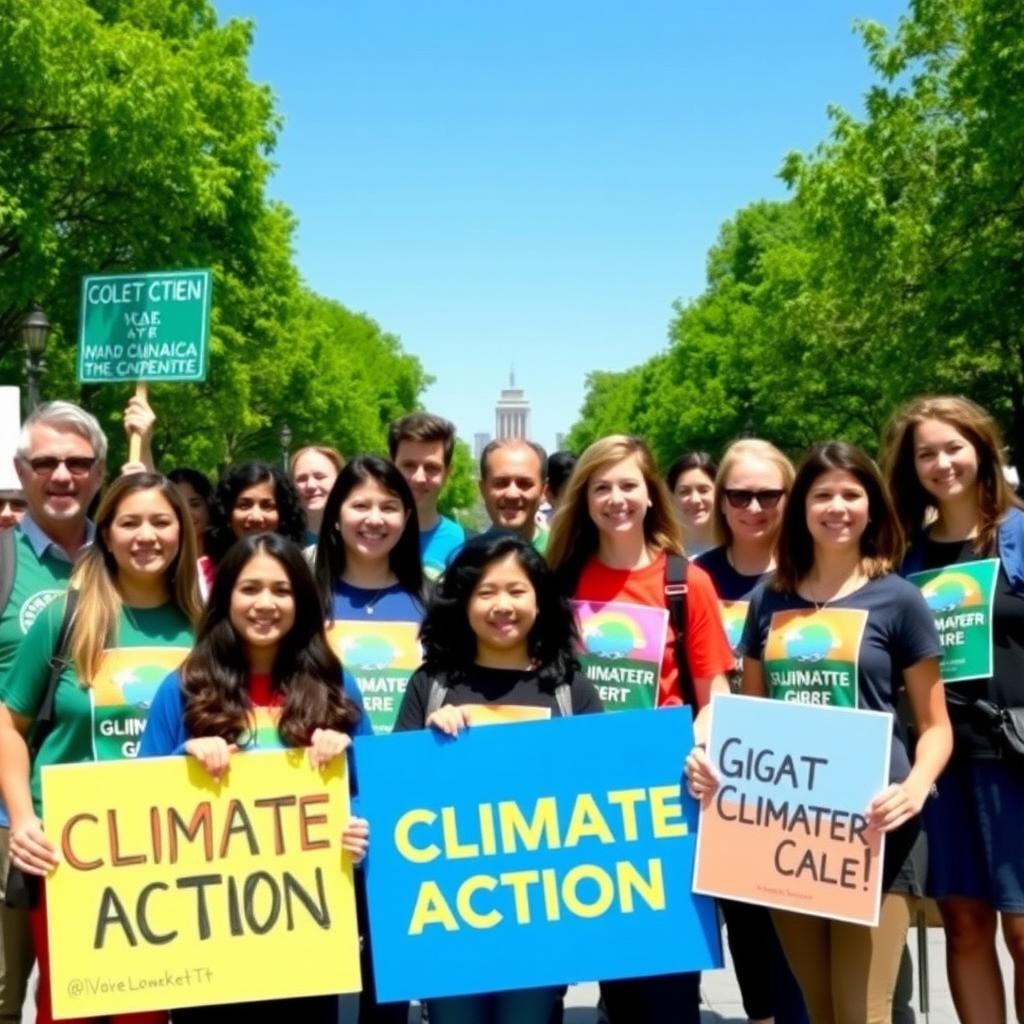
Advocacy isn’t just about speaking up—it’s about creating ripple effects. Volunteers often bridge the gap between communities and decision-makers. They bring attention to issues that might otherwise be ignored, like food insecurity or voter suppression. By sharing stories and data, advocates make problems real and urgent.
Take the 2020 census, for example. Volunteers across the U.S. worked tirelessly to ensure underserved communities were counted. Their efforts led to better funding for schools, hospitals, and infrastructure. This shows how advocacy can lead to tangible outcomes.
On a personal level, advocacy is empowering. It gives you a sense of purpose and connects you with others who share your values. I’ve seen friends transform from feeling helpless about global issues to leading local campaigns. That’s the magic of volunteer advocacy—it turns passion into power.
How to Get Involved in Advocacy
Ready to make a difference? Here’s how to start:
- Identify Your Cause: What issues keep you up at night? Climate change? Education equity? Choose a cause that resonates with you.
- Find Local Organizations: Look for groups in your area working on your chosen issue. Websites like VolunteerMatch.org can help.
- Learn the Issues: Read up on your cause. Understanding the facts makes you a stronger advocate.
- Start Small: You don’t need to lead a movement. Write a letter, sign a petition, or attend a community meeting.
- Build Skills: Many organizations offer training in public speaking, lobbying, or social media advocacy.
Don’t worry if you’re new to advocacy. Everyone starts somewhere. I remember my first volunteer event—a small clean-up drive that led to meeting local activists. That one day sparked years of involvement.
Real-World Examples of Volunteer Advocacy
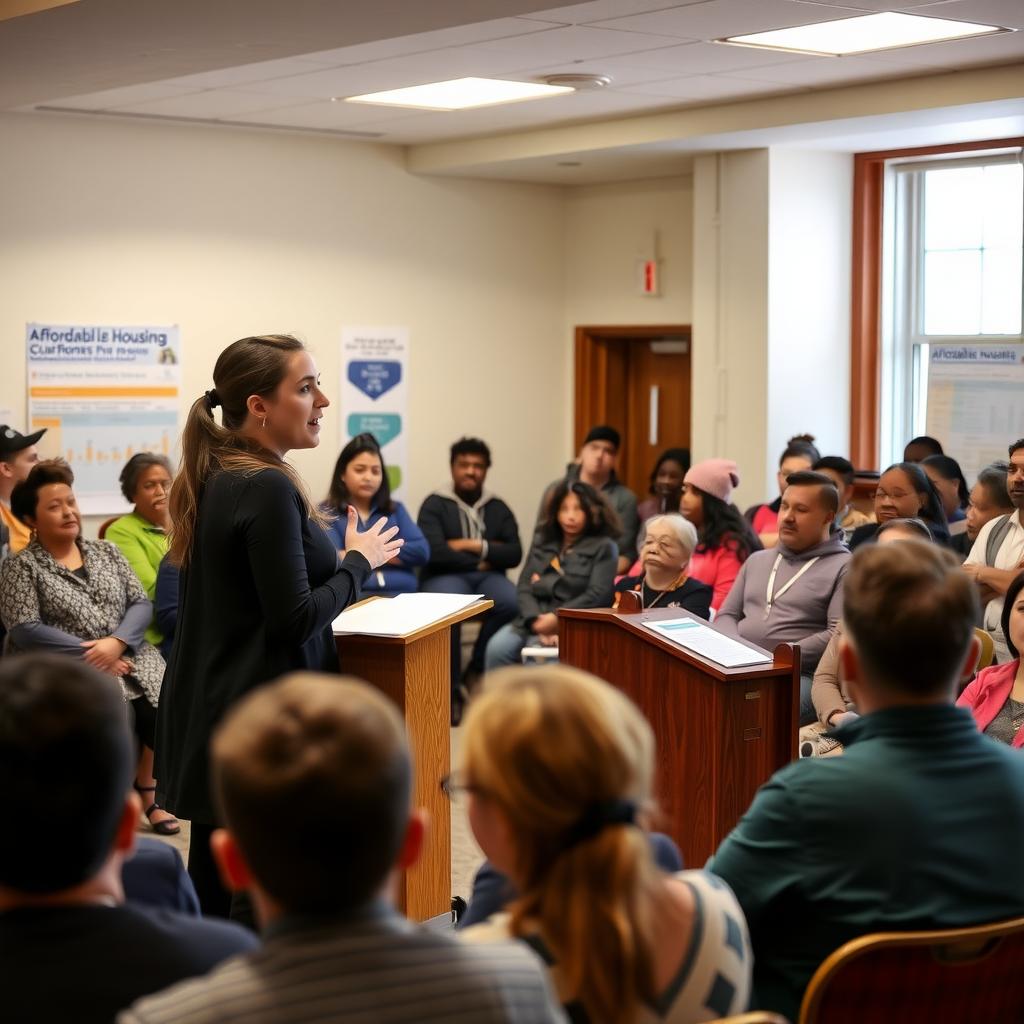
Volunteer advocacy initiatives for social change are happening everywhere. Here are a few inspiring examples:
| Organization | Cause | Impact |
|---|---|---|
| Sunrise Movement | Climate Justice | Mobilized youth to push for the Green New Deal |
| Black Lives Matter | Racial Equity | Sparked global conversations on systemic racism |
| Feeding America | Hunger Relief | Advocated for policies to expand food assistance |
These groups show how volunteers can influence policy and public opinion. For instance, the Sunrise Movement’s sit-ins at congressional offices brought climate issues to the forefront. Their work proves that collective action works.
Challenges in Volunteer Advocacy
Advocacy isn’t always easy. Volunteers often face burnout, especially when progress is slow. I’ve felt this myself—spending hours organizing only to see a policy stalled. Other challenges include:
- Lack of Resources: Many groups rely on donations, making funding a constant hurdle.
- Opposition: Advocates may face pushback from those who disagree with their cause.
- Time Commitment: Balancing advocacy with work or school can be tough.
To overcome these, set realistic goals and take breaks when needed. Connecting with other volunteers can also recharge your motivation.

Tips for Effective Advocacy
Want to make your advocacy count? Try these strategies:
- Tell Stories: Share personal experiences to make issues relatable. A story about a neighbor struggling with healthcare costs hits harder than statistics.
- Use Social Media: Platforms like X can amplify your message. Share posts with hashtags like #VolunteerAdvocacy or #SocialChange.
- Engage Lawmakers: Write clear, concise letters to your representatives. Tools like Resistbot make this easy.
- Collaborate: Partner with other groups to strengthen your impact.
- Stay Informed: Follow trusted sources like the United Nations or local nonprofits for updates on your cause.
When I started advocating for better public transit, I found that personal stories about commuters’ struggles got more attention than data alone. People connect with people, not numbers.
The Future of Volunteer Advocacy
The world is changing, and so is advocacy. Technology is making it easier to organize and spread messages. Virtual campaigns, like those on Change.org, let volunteers reach global audiences. Meanwhile, younger generations are leading the charge—think of activists like Greta Thunberg.
But the core of advocacy remains the same: people coming together to demand change. Whether you’re marching in the streets or tweeting from your couch, your voice matters. The future depends on volunteers who refuse to stay silent.
Summary: Be the Change
Volunteer advocacy initiatives for social change are about taking action for what you believe in. From small steps like signing a petition to leading a campaign, every effort counts. Advocacy empowers you, connects communities, and shapes a better future. Start today—find a cause, raise your voice, and make an impact.