Volunteer Advocacy Initiatives for Social Change: How Ordinary People Drive Real Impact
Discover how volunteer advocacy initiatives for social change empower everyday people to create lasting impact. Learn practical ways to get involved, real stories, and actionable steps to start your own advocacy journey.
4 min read
Overview
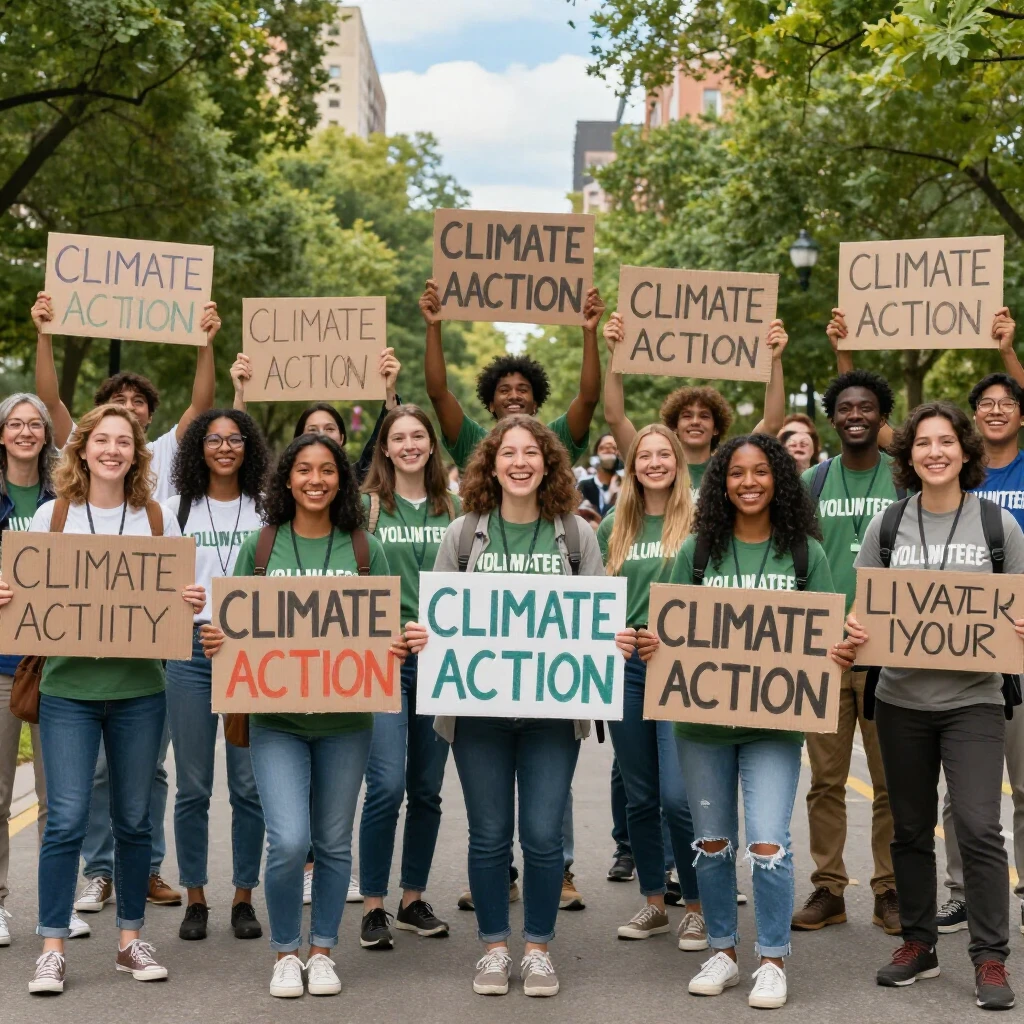
Volunteer advocacy initiatives for social change bring together passionate people who want to make the world better. Through advocacy and hands-on volunteer work, these efforts tackle issues like inequality, climate change, and human rights. This guide shows you how to join or start one.
In today's world, big problems often feel overwhelming. But history proves that real change starts with ordinary people stepping up. Volunteer advocacy initiatives for social change turn concern into action. They combine volunteering with advocacy—speaking up, raising awareness, and pushing for policy changes.
These initiatives work because they rely on volunteers like you and me. No special skills are needed at first—just a desire to help. Over time, many volunteers gain confidence and become powerful voices for their causes.

What Makes Volunteer Advocacy Different
Advocacy goes beyond traditional volunteering. While volunteering might mean serving meals at a shelter, advocacy pushes for changes that prevent hunger in the first place. Volunteer advocacy initiatives blend both approaches.
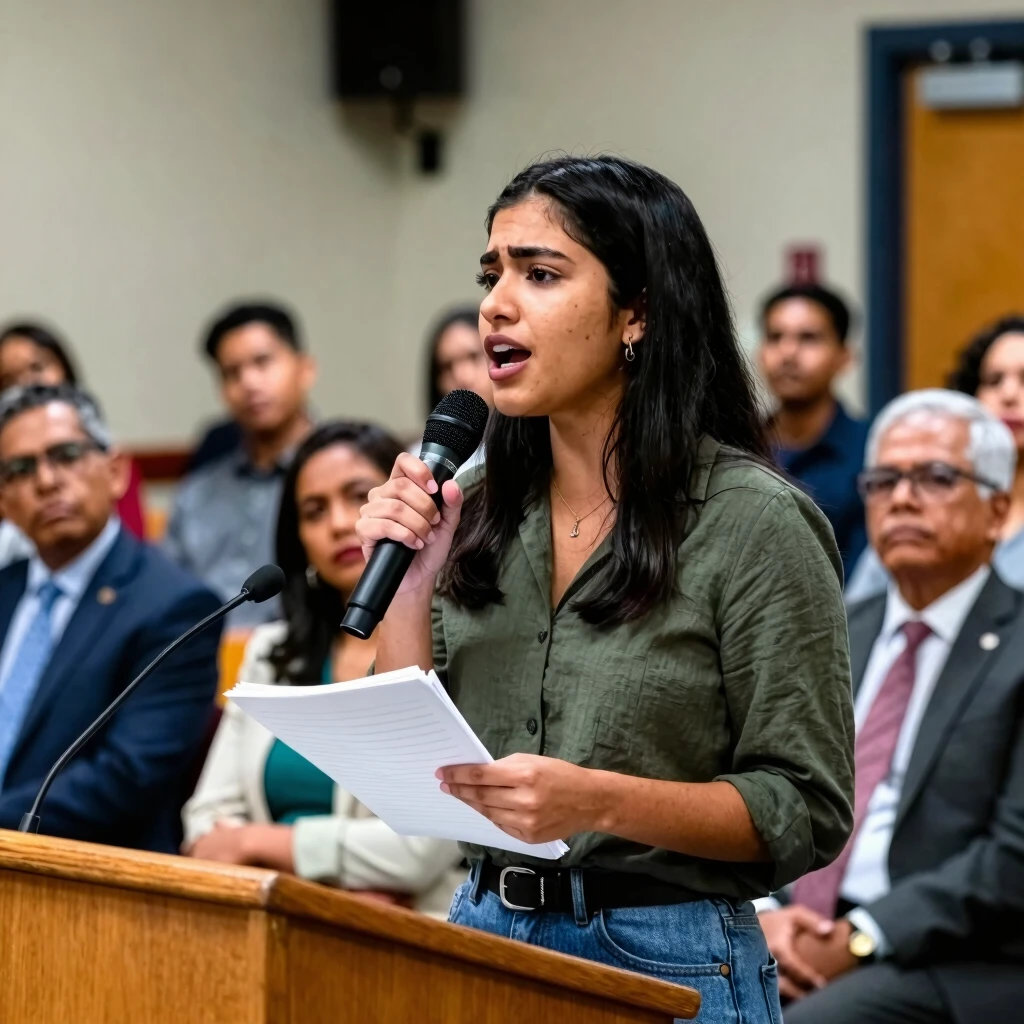
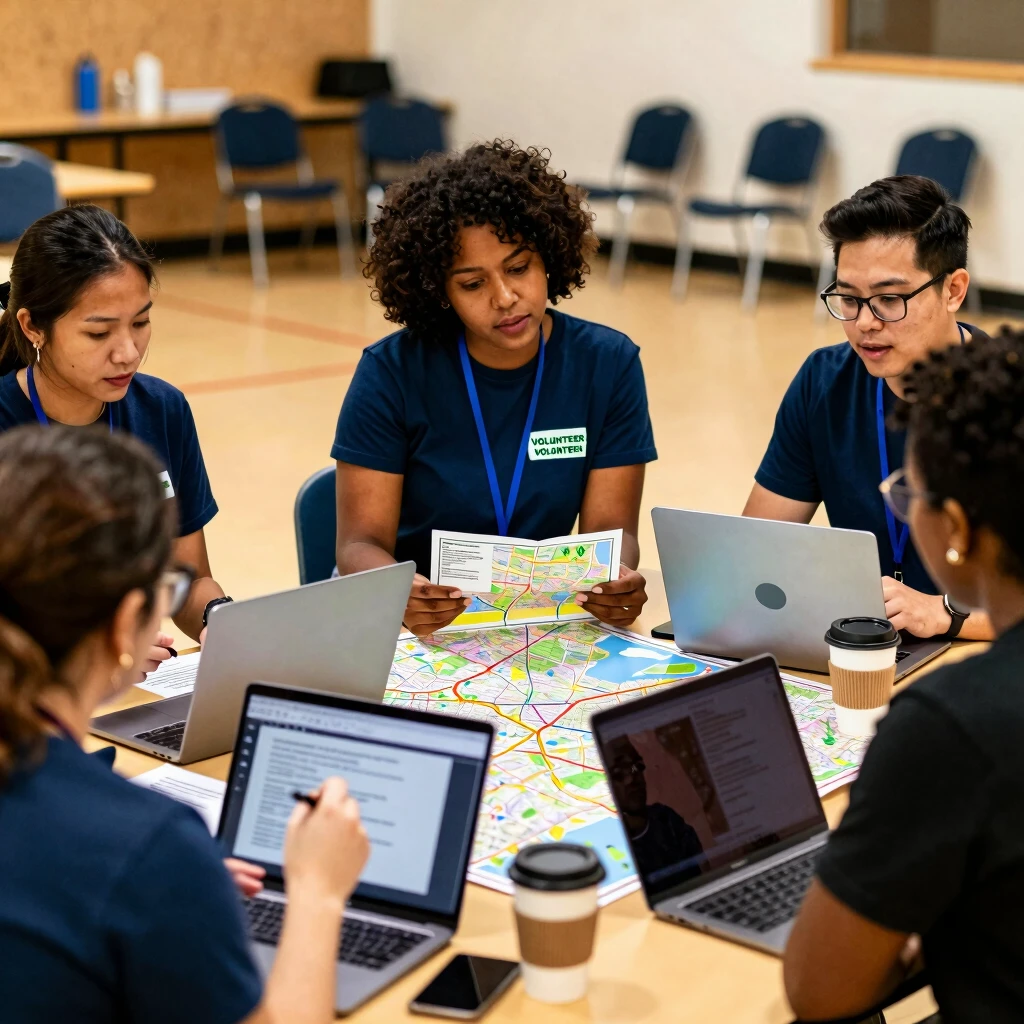
Volunteers in these programs: - Educate the public about issues - Collect signatures for petitions - Meet with lawmakers - Organize community events - Use social media to spread messages
The beauty lies in accessibility. Anyone can participate, whether you give one hour a week or lead a campaign.
Real Examples That Inspire
Let's look at successful volunteer advocacy initiatives that created measurable change.
1. Climate Action Networks
Groups like 350.org started as volunteer-led efforts. Ordinary people organized global climate strikes that brought millions into the streets. These volunteers didn't wait for permission—they educated neighbors, lobbied officials, and built pressure for renewable energy policies.
2. Marriage Equality Campaigns
In the United States, volunteers with organizations like Human Rights Campaign knocked on doors, shared personal stories, and changed hearts and minds. Their persistent advocacy helped lead to nationwide marriage equality in 2015.
3. Local Food Justice Initiatives
Community volunteers in cities like Detroit transformed vacant lots into gardens while advocating for better food access policies. They combined hands-on growing with pushing city councils for zoning changes that support urban agriculture.
Personal Insights from Years of Involvement
I've participated in volunteer advocacy for over a decade, starting with local environmental cleanups that evolved into policy work.
One powerful lesson: Small actions compound. I once helped collect 500 signatures for a local park preservation petition. That effort stopped development and protected green space for thousands of families.
Another truth: Rejection is normal. Lawmakers might ignore you at first. But consistent, respectful advocacy wears down resistance. Volunteers who keep showing up win in the long run.
Most importantly, these initiatives build community. You meet people from different backgrounds united by shared values. Those connections become your support network and often last a lifetime.
How to Start Your Advocacy Journey
Ready to get involved? Follow these practical steps:
-
Identify Your Passion
Find an issue that keeps you up at night—education, animal welfare, racial justice, or something else. -
Research Existing Groups
Look for established volunteer advocacy initiatives in your area. National organizations often have local chapters. -
Start Small
Attend one meeting or event. Sign up for email updates. Many groups offer beginner-friendly roles like social media sharing. -
Build Skills Gradually
Take advantage of free training many organizations provide—public speaking, letter writing, or media outreach. -
Track Your Impact
Celebrate wins, no matter how small. Each new supporter or policy change builds momentum.
| Step | Action | Time Commitment |
|---|---|---|
| 1 | Choose your cause | 1-2 hours research |
| 2 | Find local groups | 30 minutes online |
| 3 | Attend first event | 2-3 hours |
| 4 | Complete training | 5-10 hours total |
| 5 | Lead small action | Ongoing, flexible |
Overcoming Common Challenges
Many people hesitate to start advocacy work. Here are real obstacles and solutions:
- Time constraints: Most initiatives welcome whatever time you can give. Even sharing posts online helps.
- Feeling unqualified: Everyone starts somewhere. Passion matters more than expertise.
- Fear of conflict: Focus on shared values rather than confrontation. Most advocacy builds bridges.
- Burnout: Set boundaries and celebrate progress to stay energized.
The Bigger Picture
Individual volunteer advocacy initiatives connect to create massive change. When local efforts scale up, they influence national and global policies. Your participation contributes to this ripple effect.
Research from Stanford University shows that sustained citizen advocacy significantly influences policy outcomes. Volunteers who engage consistently over years achieve the highest impact.
External resource: Stanford study on citizen advocacy effectiveness.
Final Thoughts
Volunteer advocacy initiatives for social change prove that ordinary people hold extraordinary power. By combining volunteer action with strategic advocacy, we address root causes rather than just symptoms.
Start today with one small step. Find a cause, connect with others, and speak up. Your voice matters, and together, volunteers create the change we need.