Volunteer Advocacy Initiatives for Social Change: How Everyday People Drive Impact
Discover how volunteer advocacy initiatives for social change empower communities, amplify voices, and shape a better future. This article explores strategies, real-world examples, and actionable steps to get involved.
5 min read
Overview
Volunteer advocacy initiatives for social change are transforming communities worldwide. By giving their time and passion, volunteers tackle issues like poverty, inequality, and environmental challenges. This article dives into how these efforts work, shares personal insights, and offers practical ways to join the movement.
What Is Volunteer Advocacy?
Volunteer advocacy is when ordinary people step up to support causes they care about without expecting payment. It’s about using your voice, skills, or time to push for change—whether that’s cleaner air, better schools, or equal rights. Unlike paid lobbying, volunteer advocacy comes from the heart. It’s driven by people who see a problem and want to fix it. For example, a group of neighbors might rally to save a local park, or students might campaign for climate action. These efforts spark conversations, shift policies, and build stronger communities.
Why Volunteer Advocacy Matters
Advocacy gives a voice to those who are often ignored. It empowers communities by raising awareness and pushing for fair policies. Volunteers don’t just talk—they act. They organize events, share stories, and pressure decision-makers. The impact can be huge. For instance, the ALS Association reported that the 2014 Ice Bucket Challenge, driven by volunteers, raised $220 million for research. That’s the power of everyday people coming together. Volunteer advocacy initiatives for social change also inspire others, creating a ripple effect that can reshape society.

How Volunteer Advocacy Works
Effective advocacy isn’t about shouting the loudest—it’s about strategy. Volunteers use a mix of storytelling, teamwork, and data to make their case. Here’s how it often plays out:
- Storytelling: Sharing real experiences makes issues relatable. The #MeToo movement grew because survivors shared their stories, making a global impact.
- Collaboration: Joining forces with others amplifies your message. The World Resources Institute uses partnerships to push for sustainable policies.
- Data-Driven Arguments: Facts strengthen your cause. Volunteers might cite studies, like those from the American Civil Liberties Union, to back up demands for justice.
- Digital Tools: Social media spreads messages fast. A single post can reach thousands, sparking action.
Volunteers bring fresh energy and ideas, often outshining paid campaigns because their passion is real.
Personal Insights: My Journey in Advocacy
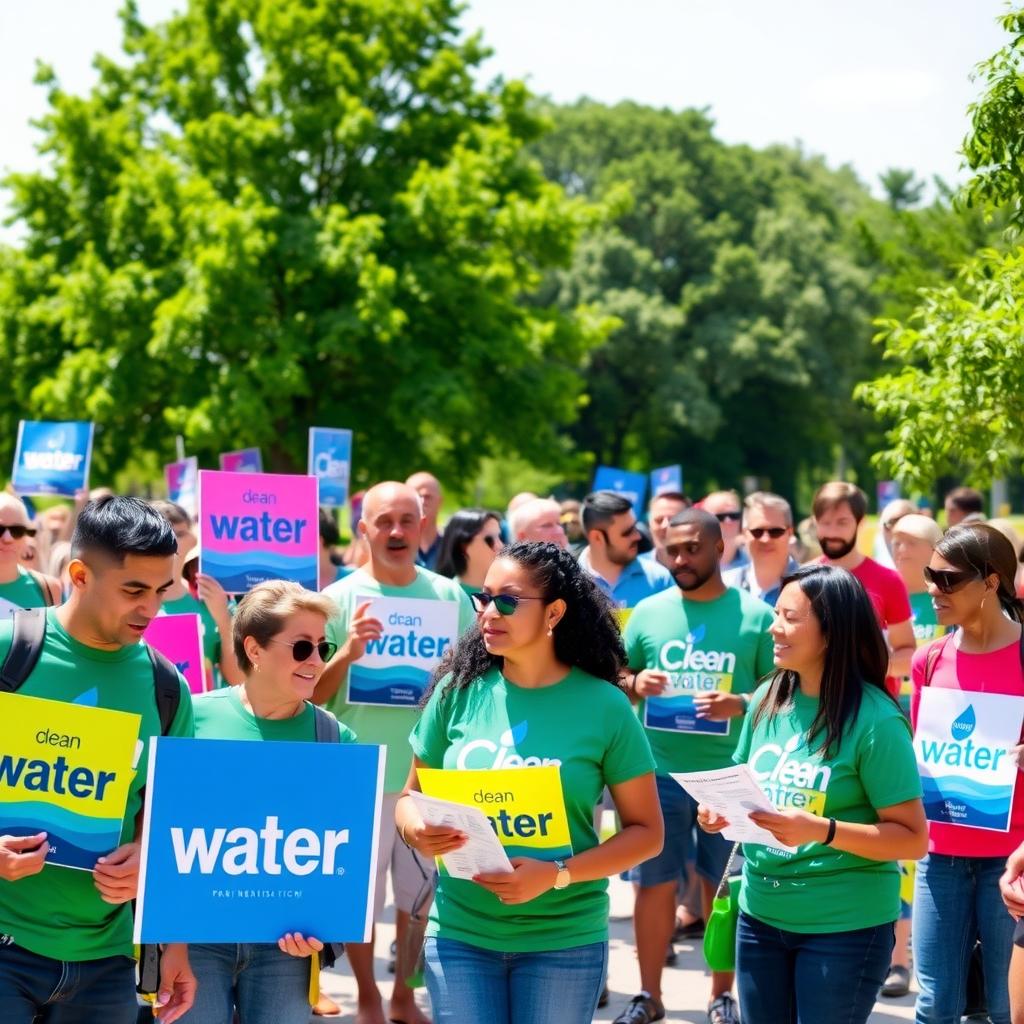
A few years ago, I joined a local campaign to improve access to clean water in my town. It started small—just a handful of us handing out flyers at a farmers’ market. We faced skepticism; some people thought we were wasting our time. But we kept going, sharing stories from families affected by polluted water. Slowly, we gained traction. A petition we started on Change.org got over 10,000 signatures in a month. That pressure led to a town hall meeting where officials committed to new water filters. Seeing those filters installed felt like a personal victory. It taught me that volunteer advocacy initiatives for social change don’t need big budgets—just persistence and heart.
Key Strategies for Successful Advocacy
Want to make a difference? Here are proven strategies to start or join volunteer advocacy initiatives:
| Strategy | How It Works | Example |
|-------------|------------------|-------------|
| Organize Events | Host rallies, workshops, or informational booths to educate people. | A community clean-up day that doubles as a climate change awareness event. |
| Leverage Social Media | Share posts, videos, or hashtags to reach a wider audience. | The #BlackLivesMatter hashtag sparked global conversations. |
| Build Coalitions | Partner with local groups or nonprofits for greater impact. | GLIDE in San Francisco works with coalitions to fight homelessness. |
| Engage Policymakers | Write letters or attend hearings to influence laws. | Volunteers with Save The Bay pushed for wetland restoration policies. |
These steps are simple but powerful. Start small, stay focused, and don’t give up.

Real-World Examples of Impact
Volunteer advocacy initiatives for social change have led to remarkable outcomes. Take GLIDE in San Francisco, which fights poverty and homelessness through volunteer-driven programs. Their efforts have provided over 655,000 meals annually and influenced local policies for housing reform. Another example is Save The Bay, which combines volunteer advocacy with environmental education to protect San Francisco Bay. Their work has restored thousands of acres of wetlands, proving volunteers can drive systemic change. These stories show that advocacy isn’t just talk—it delivers results.
Challenges and How to Overcome Them
Advocacy isn’t always smooth sailing. Volunteers often face hurdles like:
- Limited Resources: Many initiatives rely on donations or crowdfunding. Platforms like GoFundMe can help.
- Burnout: Long campaigns can drain energy. Taking breaks and sharing tasks with a team keeps momentum alive.
- Opposition: Powerful groups may push back. Staying calm and using facts, like those from reputable sources, can counter resistance.
I’ve seen friends burn out after months of organizing, but splitting responsibilities and celebrating small wins kept us going. Flexibility and teamwork are key.
The Role of Technology in Advocacy
Technology has changed the game for volunteers. Social media platforms like X let you reach millions instantly. Online petitions, like those on Change.org, make it easy to gather support. Crowdfunding sites help raise funds without begging for grants. But with so much online noise, standing out is tough. Clear, compelling messages—like a viral video or a powerful hashtag—cut through the clutter. I once saw a local campaign go viral after a volunteer posted a heartfelt video about food insecurity. It raised $5,000 in a week.
How to Get Started
Ready to jump in? Here’s a step-by-step guide:
1. Pick a Cause: Choose something you’re passionate about, like education or climate justice.
2. Learn the Facts: Research your issue using trusted sources like Stanford University’s social change studies.
3. Find Allies: Join local groups or nonprofits working on your cause.
4. Take Action: Start small—share a post, sign a petition, or attend a rally.
5. Stay Committed: Change takes time, but every step counts.
I started by volunteering at a local food bank, which led me to bigger advocacy roles. You don’t need to be an expert—just willing to learn.
Summary
Volunteer advocacy initiatives for social change are a powerful way to make a difference. From raising awareness to influencing policies, volunteers drive real impact. By using smart strategies, technology, and teamwork, anyone can contribute to a better world. Get informed, get involved, and start small—your efforts can spark big change.