Volunteer Management 101: Essential Skills for Success
Learn the essential skills for successful volunteer management, including recruitment strategies, program development, and best practices.
5 min read

Volunteer Management 101: Essential Skills for Success
Volunteer management is a critical aspect of nonprofit organizations and community groups that rely on the dedication and hard work of volunteers. Effective volunteer management ensures that these organizations can recruit, train, and retain volunteers who are committed to their cause. This article explores the essential skills needed for successful volunteer management, including strategies for recruiting volunteers who stick around, developing impactful volunteer programs, and implementing best practices in volunteer program management.
How to Recruit Volunteers Who Stick Around
Recruiting volunteers is more than just filling positions; it's about finding individuals who are passionate about your cause and willing to commit their time and energy. To recruit volunteers who stick around, organizations need to:
- Clearly define volunteer roles and expectations
- Communicate effectively about the organization's mission and values
- Create a welcoming and inclusive environment for new volunteers
- Provide opportunities for volunteers to grow and develop their skills
For example, the American Red Cross has a robust volunteer recruitment program that includes detailed role descriptions, orientation sessions, and ongoing support for volunteers. This approach has helped them attract and retain a large and dedicated volunteer base.
Let's take a closer look at how the American Red Cross recruits volunteers. Their website features a dedicated volunteer page that clearly outlines the different roles available, from disaster response to blood drive assistance. Each role description includes information on the time commitment, required skills, and training provided. This transparency helps potential volunteers make informed decisions about whether to apply.
Additionally, the American Red Cross uses social media platforms like Facebook and Twitter to share stories of volunteer impact. They post photos and videos of volunteers in action, along with testimonials from those who have benefited from their services. This not only inspires potential volunteers but also creates a sense of community among current volunteers.
To further enhance their recruitment efforts, the American Red Cross partners with corporations and educational institutions. For example, they have agreements with universities that allow students to earn academic credit for volunteering. They also work with companies that encourage employee volunteering by offering paid time off or matching donations.
By combining clear role definitions, effective communication, and strategic partnerships, the American Red Cross has built a volunteer base that is both large and dedicated.
Developing Impactful Volunteer Programs
Developing impactful volunteer programs requires careful planning and alignment with the organization's goals. Key steps include:
- Assessing community needs and identifying areas where volunteers can make a difference
- Setting clear objectives for the volunteer program
- Designing roles and tasks that are meaningful and engaging for volunteers
- Providing adequate training and support to ensure volunteers can perform their roles effectively
For instance, Habitat for Humanity's volunteer program is designed to address the need for affordable housing while providing volunteers with hands-on experience in construction and community development. Their program includes comprehensive training and safety protocols to ensure volunteers can contribute effectively.
Habitat for Humanity's 'Build Days' are carefully planned events where volunteers work alongside future homeowners to construct houses. Each Build Day is structured to ensure that volunteers have specific tasks, such as framing walls or installing insulation, that contribute directly to the project's progress.
Before participating, volunteers must attend a safety orientation and sign a waiver. They are also provided with tools, protective gear, and supervision from experienced staff. This level of support ensures that volunteers can work safely and effectively, even if they have no prior construction experience.
Moreover, Habitat for Humanity offers specialized volunteer opportunities for those with particular skills. For instance, architects and engineers can volunteer their expertise to design homes or oversee construction projects. This allows the organization to leverage a wide range of talents while providing volunteers with meaningful ways to contribute.
To accommodate different schedules, Habitat for Humanity offers both short-term and long-term volunteer options. Some volunteers commit to a single Build Day, while others sign up for ongoing roles that last several months. This flexibility makes it easier for people with varying availability to participate.

Best Practices in Volunteer Program Management
Implementing best practices in volunteer program management is essential for ensuring the success and sustainability of volunteer initiatives. Some key best practices include:
- Regular feedback and communication with volunteers
- Recognition and appreciation of volunteer contributions
- Opportunities for volunteers to take on leadership roles or special projects
- Evaluation and assessment of the volunteer program to identify areas for improvement
The National Park Service, for example, has a well-established volunteer program that includes regular feedback sessions, volunteer appreciation events, and opportunities for volunteers to lead guided tours or educational programs. This approach has helped them maintain a high level of volunteer engagement and satisfaction.
The National Park Service's volunteer program is renowned for its emphasis on feedback and recognition. Volunteers are encouraged to provide input through annual surveys and informal check-ins with supervisors. This feedback is used to improve training materials, adjust role descriptions, and address any concerns volunteers may have.
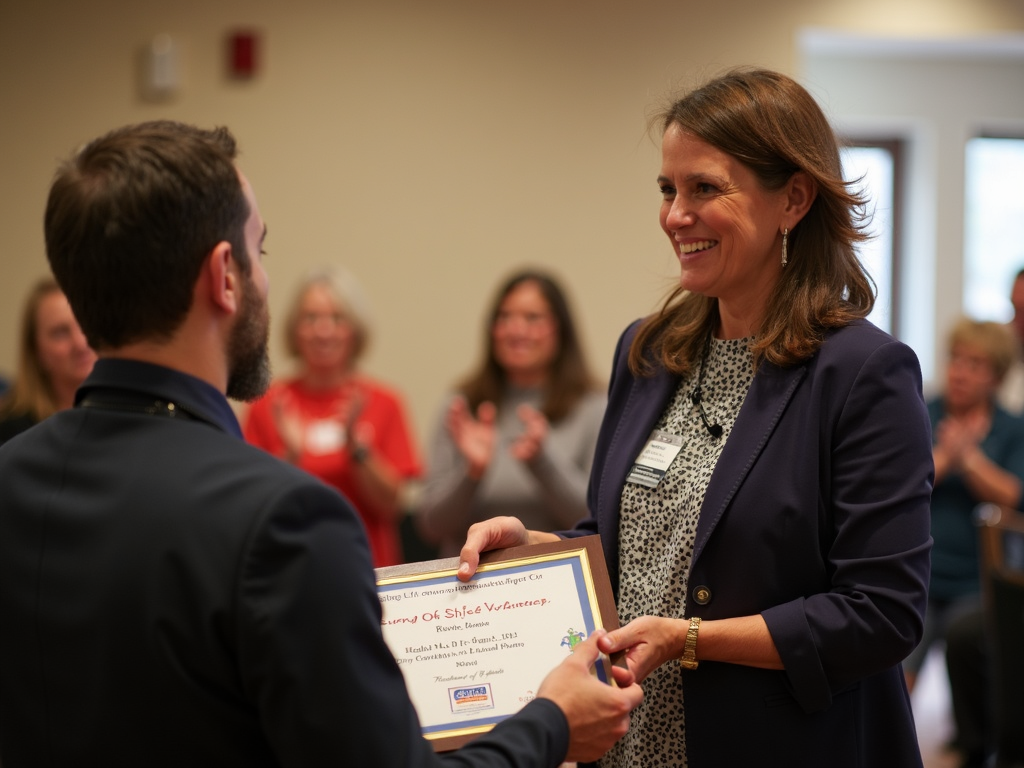
Recognition is a cornerstone of the program. Each year, the National Park Service hosts a Volunteer Appreciation Week, during which volunteers are honored at local events and through social media shout-outs. Outstanding volunteers may receive awards such as the 'Volunteer of the Year' or special certificates signed by park superintendents.
Opportunities for leadership are also abundant. Experienced volunteers can apply to become Volunteer Coordinators, who help onboard new volunteers and organize group activities. Others may lead interpretive programs, such as guided hikes or historical reenactments, which allow them to share their knowledge and passion with park visitors.
Evaluation is conducted through both quantitative and qualitative measures. The National Park Service tracks metrics like the number of volunteer hours contributed and the completion of specific projects. They also gather anecdotal evidence through volunteer testimonials and staff observations to assess the program's overall effectiveness.
By prioritizing feedback, recognition, leadership, and evaluation, the National Park Service ensures that its volunteer program remains a model for others to emulate.
The Role of Technology in Volunteer Management
In today's digital age, technology plays a significant role in volunteer management. Many organizations use online platforms to streamline recruitment, scheduling, and communication. For instance, volunteer management software like Volgistics or Better Impact allows organizations to post opportunities, track volunteer hours, and send automated reminders.
Social media is also a powerful tool for engaging volunteers. Platforms like Instagram and LinkedIn can be used to share success stories, promote events, and connect with potential volunteers. Some organizations even use virtual reality or augmented reality to provide immersive training experiences.
However, it's important to remember that not all volunteers are tech-savvy. Organizations should offer alternative methods for those who prefer traditional communication channels, such as phone calls or in-person meetings.
By leveraging technology thoughtfully, organizations can enhance their volunteer management efforts while ensuring accessibility for all.
Summary
Effective volunteer management is crucial for the success of nonprofit organizations and community groups. By focusing on recruitment, program development, and best practices, organizations can create volunteer programs that are impactful and sustainable. Mastering these essential skills ensures that volunteers feel valued and motivated, leading to long-term commitment and positive outcomes for both the organization and the community it serves.