Volunteer Management 101: Tips for Success
Discover essential strategies for effective volunteer management in this comprehensive guide. Learn how to recruit, engage, and retain volunteers while exploring the impact of skill-based volunteering on nonprofits and community development.
4 min read
Overview
Managing volunteers effectively is the backbone of any thriving nonprofit or community initiative. Volunteer Management 101: Tips for Success offers practical strategies to recruit, engage, and retain volunteers while maximizing their impact. This guide dives into proven methods, the rise of skill-based volunteering, and how volunteering fuels community growth.
Why Volunteer Management Matters
Volunteers are the heartbeat of nonprofits, schools, and community organizations. They bring passion, energy, and diverse skills to the table. But without proper management, even the most enthusiastic volunteers can feel undervalued or disorganized, leading to burnout or turnover. Effective volunteer management ensures everyone feels purposeful and appreciated, creating a ripple effect of positive change.
From my own experience organizing community clean-up events, I’ve seen how a well-managed volunteer team can transform a vague idea into a successful project. Clear communication and defined roles turned a group of strangers into a tight-knit team, cleaning up a local park in record time.
Recruiting the Right Volunteers
Finding the right volunteers starts with clarity. Define what your organization needs—specific skills, time commitments, or just enthusiastic hands. Craft compelling recruitment messages that highlight the impact volunteers will have. For example, instead of saying, 'We need help,' say, 'Join us to teach kids coding and shape their futures.'
Use multiple channels to spread the word: - Social media platforms like X to share inspiring stories - Local community boards or newsletters - Partnerships with schools or businesses
Pro tip: Tap into skill-based volunteering by targeting professionals who can offer expertise, like graphic designers or accountants, to fill specific gaps.

Training and Onboarding Volunteers
Once you’ve recruited volunteers, set them up for success with thorough onboarding. A clear orientation helps volunteers understand their roles and feel confident. Share your organization’s mission, values, and expectations. Provide hands-on training for specific tasks, like using software for event management or safety protocols for fieldwork.
I once volunteered for a literacy program where the onboarding included a mock tutoring session. That practice made me feel prepared and connected to the mission. Consider creating a volunteer handbook or a quick-reference guide to keep everyone on the same page.
Engaging Volunteers for the Long Haul
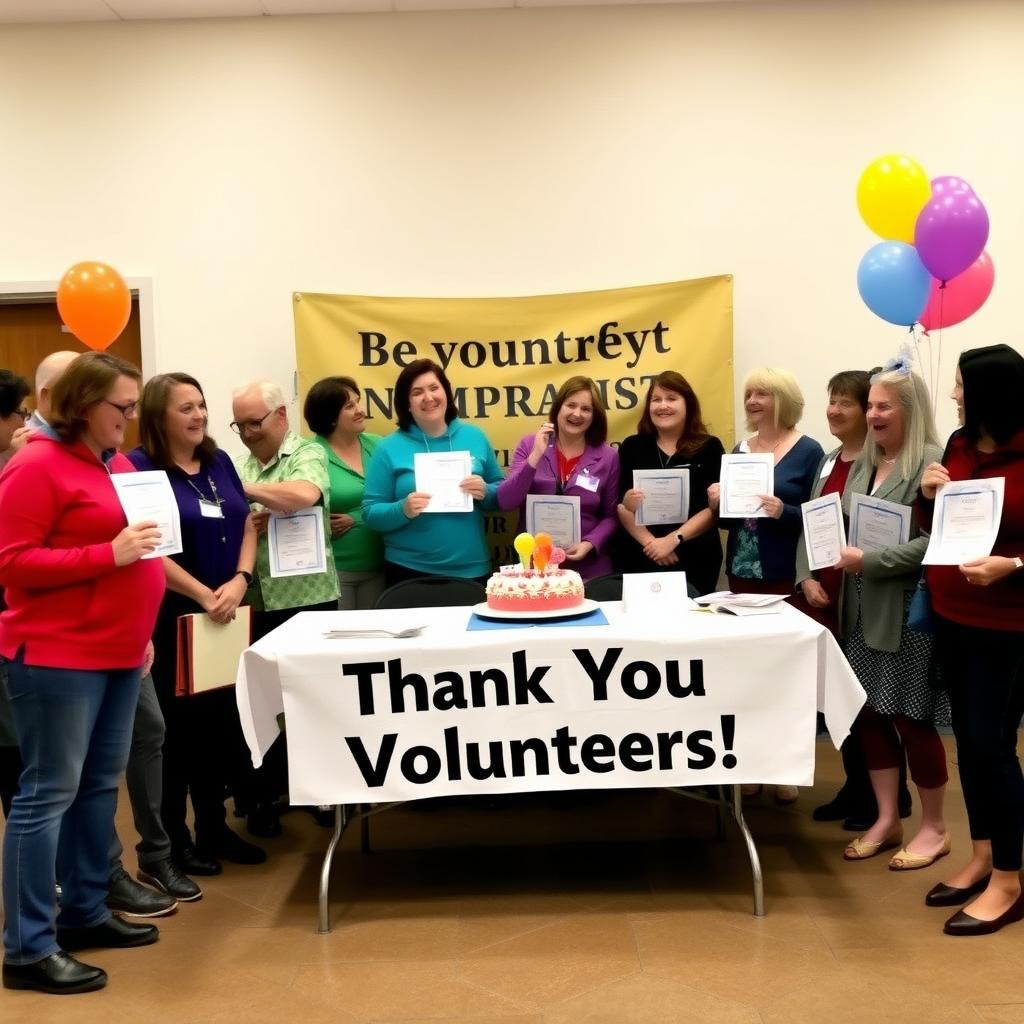
Keeping volunteers motivated requires ongoing effort. Show appreciation through small gestures like thank-you notes or public shout-outs. Create a sense of community by hosting volunteer meet-ups or celebrating milestones together. Regular check-ins help address concerns and keep volunteers aligned with your goals.
Skill-based volunteering in education is a game-changer here. For instance, professionals like engineers or writers can mentor students, offering both expertise and inspiration. These meaningful connections keep volunteers coming back.
How Skill-Based Volunteering Is Changing the Nonprofit World
How Skill-Based Volunteering Is Changing the Nonprofit World isn’t just a buzzphrase—it’s a revolution. Nonprofits often lack the budget to hire specialists, but volunteers with professional skills can fill those gaps. A marketing expert might revamp a nonprofit’s social media strategy, while a lawyer could provide pro bono legal advice.
According to a 2023 report by Points of Light, organizations leveraging skill-based volunteering saw a 30% increase in operational efficiency. This approach not only saves money but also empowers volunteers to make a tangible difference.

The Impact of Volunteering on Community Development
The Impact of Volunteering on Community Development is profound. Volunteers don’t just complete tasks—they build stronger, more connected communities. From organizing food drives to mentoring youth, their efforts address local needs and foster a sense of belonging.
Take, for example, a community center I worked with. Volunteers ran after-school programs, teaching kids everything from math to music. Over time, parents reported their kids were more confident and engaged in school. That’s the power of volunteering—it creates lasting change.
Measuring Volunteer Impact
To understand your volunteers’ contributions, track both quantitative and qualitative outcomes. Use metrics like: | Metric | Description | |--------|-------------| | Hours Contributed | Total hours volunteers dedicate weekly or monthly | | Tasks Completed | Specific projects or goals achieved | | Community Reach | Number of people impacted by volunteer efforts |
Don’t forget the stories behind the numbers. Collect testimonials from volunteers and those they’ve helped to showcase the human side of their work.
Overcoming Common Challenges
Volunteer management isn’t without hurdles. Common issues include: - High Turnover: Combat this by offering flexible roles and recognizing contributions. - Lack of Engagement: Keep volunteers motivated with clear goals and regular feedback. - Resource Constraints: Use free tools like Google Forms for scheduling or Trello for task management.
I’ve seen organizations struggle with mismatched expectations. One nonprofit I worked with assumed volunteers could jump right in without guidance. A quick fix was assigning mentors to new volunteers, which boosted retention by 25%.
Leveraging Technology
Technology streamlines volunteer management. Platforms like VolunteerMatch connect organizations with volunteers, while apps like SignUpGenius simplify scheduling. For skill-based volunteering, tools like Catchafire match professionals with nonprofits needing their expertise.
In my experience, using a shared Google Calendar for volunteer shifts cut down on miscommunication and made scheduling a breeze.
Building a Volunteer Community
A strong volunteer community fosters loyalty and collaboration. Host regular events, like workshops or appreciation dinners, to build relationships. Encourage volunteers to share ideas and take ownership of projects. This sense of ownership turns one-time volunteers into lifelong advocates.
For example, a food bank I volunteered with created a 'Volunteer Council' where we brainstormed ways to improve operations. It made us feel like true partners in the mission.
Summary
Effective volunteer management is about more than filling roles—it’s about creating meaningful experiences that benefit both volunteers and communities. By recruiting thoughtfully, training thoroughly, and leveraging skill-based volunteering, organizations can amplify their impact. The Impact of Volunteering on Community Development is undeniable, and with these tips, you’re well-equipped to lead a thriving volunteer program.