The Volunteer Management Handbook by Tracy D. Connors: A Comprehensive Guide to Effective Volunteer Engagement
Discover hands-on strategies for effective volunteer engagement and learn how to start a service learning project with this in-depth review of The Volunteer Management Handbook by Tracy D. Connors.
4 min read
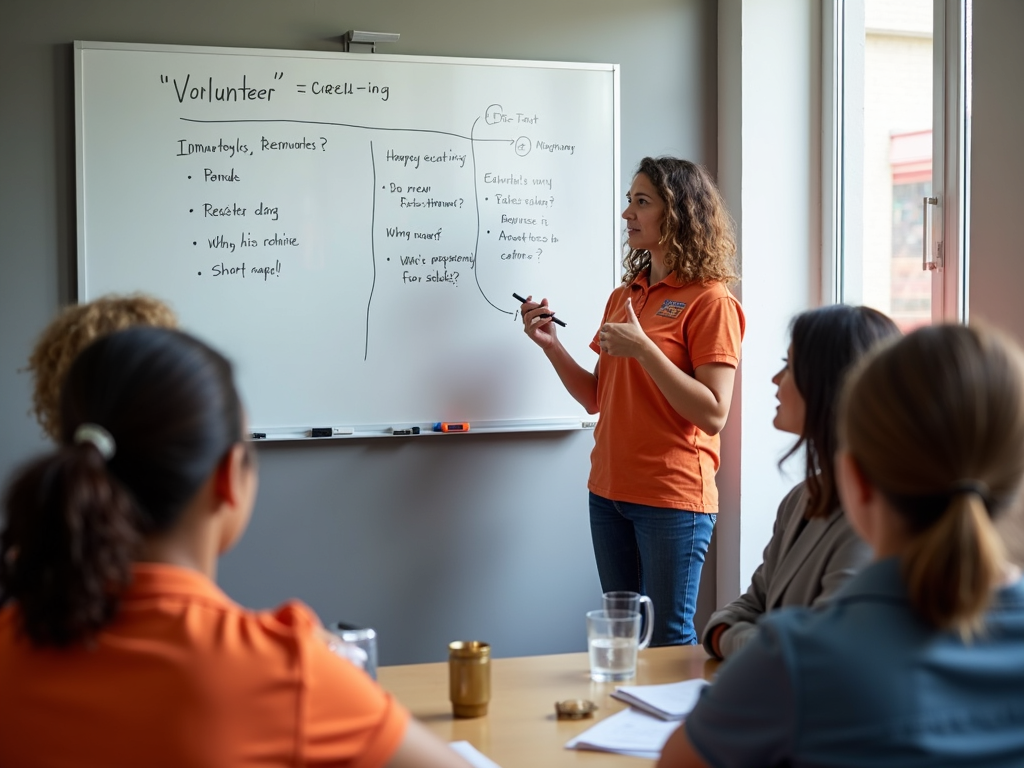
The Volunteer Management Handbook by Tracy D. Connors is a must-read for anyone involved in volunteer management. This comprehensive guide offers hands-on strategies for effective volunteer engagement, making it an invaluable resource for both novice and experienced volunteer coordinators. In this article, we'll explore the key concepts and strategies presented in the book, share personal insights, and provide actionable tips for starting a service learning project.

Understanding Volunteer Management
Volunteer management is more than just organizing people; it's about creating a supportive environment where volunteers can thrive. Connors emphasizes the importance of understanding the motivations behind volunteering. People volunteer for various reasons, such as personal growth, social connections, or a desire to give back to the community. By recognizing these motivations, volunteer coordinators can tailor their approach to meet the needs of their volunteers, leading to higher satisfaction and retention rates.
One of the key strategies Connors discusses is the importance of clear communication. Volunteers need to know what is expected of them, how their work contributes to the organization's goals, and how they can grow within the role. Regular check-ins and feedback sessions are essential for maintaining open lines of communication and ensuring volunteers feel valued and heard.
Hands-On Strategies for Effective Volunteer Engagement
Connors provides a wealth of hands-on strategies for engaging volunteers effectively. One such strategy is the use of role descriptions. Just like in a paid position, volunteers benefit from having a clear understanding of their responsibilities. Role descriptions should outline the tasks, time commitment, and skills required, as well as the benefits and support provided by the organization.
Another important strategy is training and development. Volunteers often come with a range of skills and experiences, but they may need additional training to perform their roles effectively. Connors suggests creating a training program that not only equips volunteers with the necessary skills but also fosters a sense of community and belonging. This can include workshops, mentorship programs, and opportunities for volunteers to share their expertise with others.

Starting a Service Learning Project
Service learning is a powerful way to engage volunteers while providing educational opportunities. Connors outlines a step-by-step approach to starting a service learning project:
-
Identify Community Needs: Begin by researching the needs of your community. This could involve surveys, interviews with community leaders, or collaboration with local organizations.
-
Set Clear Objectives: Define what you hope to achieve with the project. Objectives should be specific, measurable, achievable, relevant, and time-bound (SMART).
-
Recruit Volunteers: Use a variety of channels to recruit volunteers, such as social media, community bulletin boards, and word-of-mouth. Be sure to highlight the benefits of participating, such as skill development and networking opportunities.
-
Provide Training: Equip volunteers with the knowledge and skills they need to succeed. This could include workshops on project management, communication, and conflict resolution.
-
Implement the Project: Put your plan into action, ensuring that volunteers have the support they need to carry out their tasks effectively.
-
Evaluate and Reflect: After the project, gather feedback from volunteers and stakeholders to assess what worked well and what could be improved. Use this information to refine future projects.
Personal Insights and Experiences
As someone who has worked in volunteer management for several years, I can attest to the effectiveness of Connors' strategies. One of the most impactful lessons I've learned is the importance of recognizing and celebrating volunteer contributions. A simple thank-you note or a small token of appreciation can go a long way in making volunteers feel valued and motivated to continue their work.
Another key takeaway is the value of building a sense of community among volunteers. Organizing social events, such as potlucks or team-building activities, can help volunteers connect with one another and feel part of something larger than themselves. This sense of belonging can lead to increased commitment and a more positive volunteer experience.

The Importance of Service Learning and Volunteering
Service learning and volunteering play a crucial role in building stronger communities. They provide opportunities for individuals to contribute to meaningful causes, develop new skills, and connect with others who share their values. For organizations, volunteers are a vital resource, helping to extend their reach and impact without straining their budgets.
Connors highlights the mutual benefits of service learning, where volunteers gain valuable experience and knowledge while addressing community needs. This approach not only enriches the lives of volunteers but also fosters a culture of civic engagement and social responsibility.
Summary and Recommended Readings
The Volunteer Management Handbook by Tracy D. Connors is an essential resource for anyone looking to enhance their volunteer management skills. With its practical strategies and insights, the book provides a roadmap for creating a thriving volunteer program. Whether you're just starting out or looking to refine your existing practices, this handbook offers valuable guidance and inspiration.
For those interested in delving deeper into the world of volunteer management, here are some recommended readings:
- "Volunteer Engagement 2.0: Ideas and Insights Changing the World" by Robert J. Rosenthal
- "The Volunteer Recruitment (and Membership Development) Book" by Susan J. Ellis
- "The Complete Idiot's Guide to Recruiting and Managing Volunteers" by John L. Lipp
These resources, along with Connors' handbook, will equip you with the tools and knowledge needed to engage volunteers effectively and make a lasting impact in your community.