Volunteer Opportunities for College Students
Explore volunteer opportunities for college students, types, benefits, and tips for making the most of these rewarding experiences.
4 min read

Volunteer Opportunities for College Students: A Comprehensive Guide
Overview
Volunteer opportunities for college students offer a chance to help others, gain skills, and explore career paths. From local projects to global initiatives, volunteering benefits both the community and the student. This article covers types, benefits, and tips for finding and thriving in these experiences.
What Are Volunteer Opportunities?
Volunteer opportunities are activities where you give your time and skills to support a cause or help people without expecting payment. For college students, these can be anything from assisting at a food bank to teaching kids or cleaning up parks. They’re a way to make a difference while growing personally and professionally.
Why does this matter for students? Volunteering lets you use what you learn in class in the real world. It builds skills like teamwork and communication, which employers love. Plus, it feels good to help others and see the impact you’re making.
Types of Volunteer Opportunities
There’s a volunteer role for every interest. Here are some popular options for college students:
- Community Service: Help out locally at places like shelters or soup kitchens. You might serve food or organize donations.
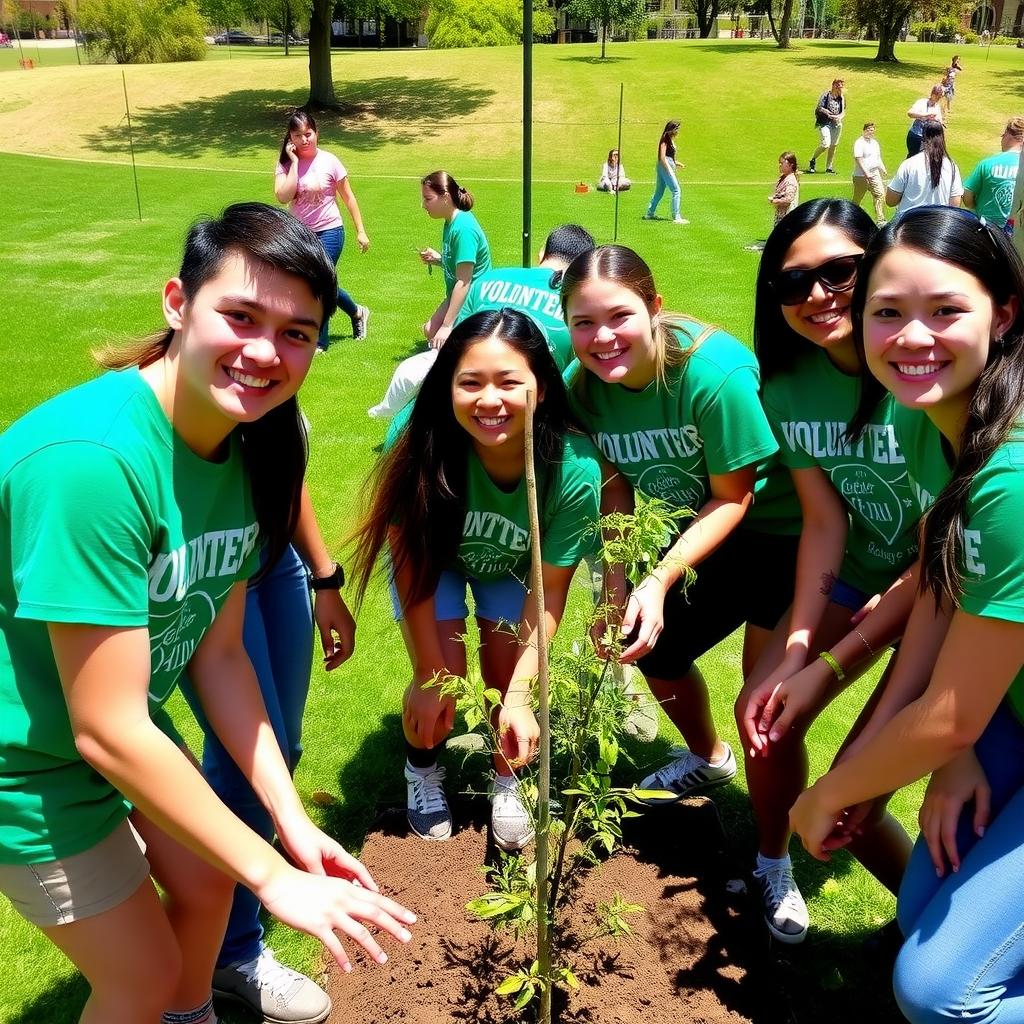
- Environmental Projects: Love nature? Join clean-up crews, plant trees, or assist with wildlife conservation.
- Educational Programs: Tutor kids, run after-school activities, or teach workshops. It’s perfect if you enjoy working with people.
- Healthcare Volunteering: Support hospitals or clinics by helping patients or spreading health awareness.
- International Volunteering: Travel abroad to build schools, teach English, or aid communities in need.
- Virtual Volunteering: Use your tech skills—like designing or writing—to help nonprofits from your dorm room.
Then there’s service learning, a special type of volunteering tied to your studies. It combines community service with classwork. For example, a biology student might volunteer at a nature reserve and write about it for credit. Many colleges offer these programs to blend learning with real-world action.
How to Find Volunteer Opportunities
Finding a good volunteer gig doesn’t have to be hard. Start with your college. Most have career centers or student offices that list openings. Take Sarah, a sophomore studying environmental science. She stopped by her college’s career center and found a river clean-up project. It matched her major and gave her hands-on experience.
You can also search online. Sites like VolunteerMatch let you filter by location and interest. Want to go abroad? Check GoOverseas for global options. Joining campus clubs focused on service is another smart move—they often plan group volunteer events.
Don’t overlook networking. Chat with professors or professionals in your field. They might know of roles that fit your goals. Volunteer fairs are great too—local groups set up booths to recruit help.
Think about what you want: skills, fun, or a cause you care about. That’ll guide you to the right spot.
Benefits of Volunteering
Volunteering does more than just help others—it helps you too. Here’s how:
- Builds Skills: You’ll pick up abilities like leadership or problem-solving. Organizing a fundraiser? That’s project management in action.
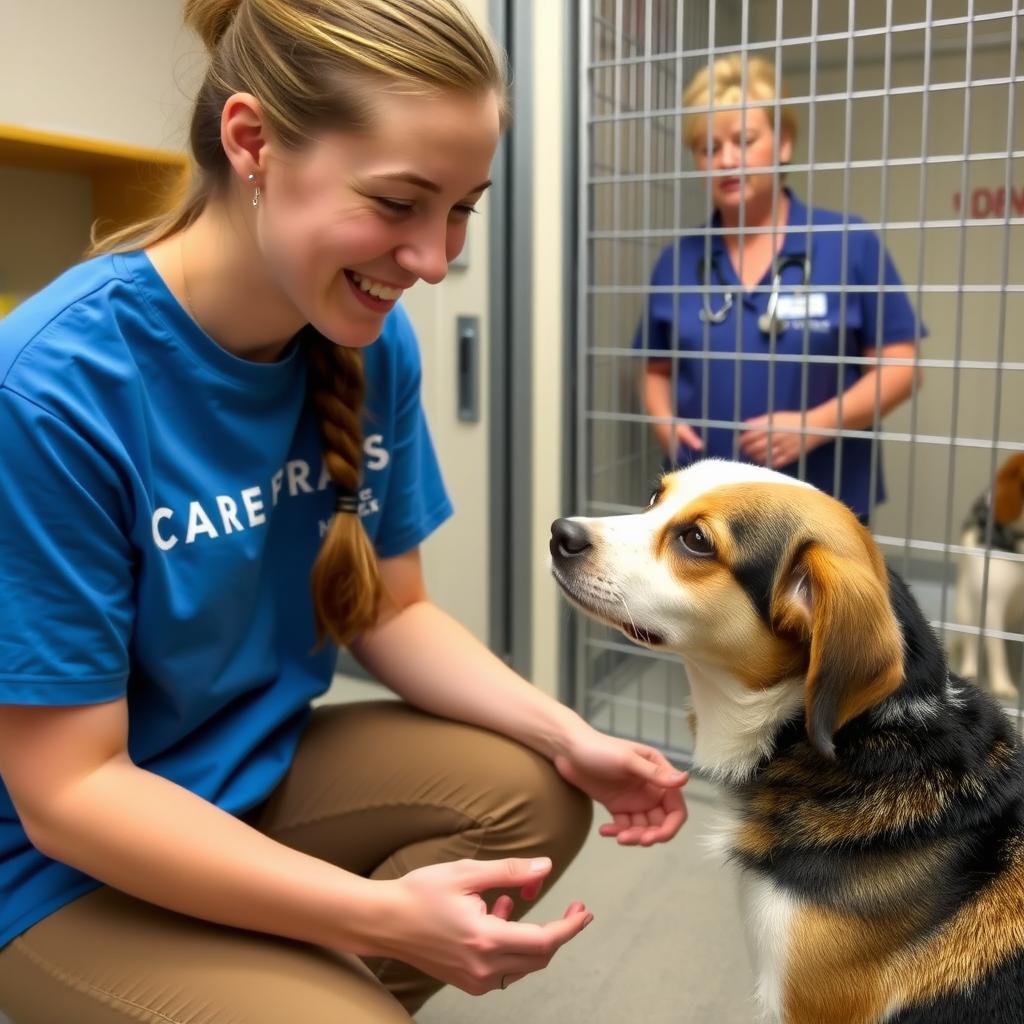
- Explores Careers: Not sure what you want to do? Volunteering lets you test the waters. Alex, a biology major, volunteered at an animal shelter. Caring for dogs sparked her interest in veterinary medicine and led her to a mentor.
- Connects You: Meet professionals and peers who can open doors later. Those contacts might recommend you for jobs or internships.
- Boosts Mental Health: Helping others feels good. A study by the Corporation for National and Community Service shows volunteers often feel less stressed and happier.
- Feels Rewarding: Seeing your work change lives—like a kid you tutor reading their first book—lifts your spirits.
Alex’s story shows this in action. She wasn’t sure about her future until the shelter gig. Now, she’s set on vet school and has a pro guiding her. That’s the power of volunteering.
Tips for Making the Most of Volunteer Experiences
Want to shine as a volunteer? Try these tips:
- Match Your Interests: Pick roles you’re excited about. Love kids? Tutor. Into tech? Try virtual volunteering.
- Set Goals: Decide what you want—new skills, friends, or resume boosts. It keeps you focused.
- Show Up: Be on time and dependable. Treat it like a job, and people will notice your effort.
- Reflect: Think about what you’ve learned. Jot down how it ties to your studies or life—it’s great for interviews later.
- Ask for Feedback: Check in with your supervisor. Their tips can make you better and show you’re serious.
I once volunteered at a food drive and learned how to manage chaos—skills I still use. Pick something you care about, and it’ll pay off.
Summary
Volunteer opportunities for college students are a win-win: you help your community while growing yourself. With options like service learning or virtual roles, there’s something for everyone. Start small, stay committed, and watch how it shapes your future. Ready to dive in?
Recommended Readings
- "The Volunteer Management Handbook" by Tracy D. Connors – A practical guide for organizing volunteer efforts.
- "Service Learning: A Guide to Planning, Implementing, and Assessing Student Projects" by Sally Berman – Perfect for students in service learning programs.
- "Volunteering: A Guide to Getting Involved" by the Corporation for National and Community Service – Tips and inspiration for new volunteers.