Volunteer Opportunities for College Students: Making a Difference While Growing
Discover meaningful volunteer opportunities for college students that combine service learning with personal growth. This guide explores diverse options, benefits, and practical tips to help students find impactful ways to contribute to their communities while building skills and connections.
5 min read

Overview
College is a time of exploration, growth, and opportunity. For many students, it’s also a chance to give back through volunteer work. Volunteer opportunities for college students offer a unique way to make a difference, develop skills, and connect with communities. This guide dives into the best options, their benefits, and how to get started.
Why Volunteer as a College Student?
Volunteering isn’t just about helping others—it’s a chance to grow personally and professionally. When I was a sophomore, I joined a local food bank initiative. At first, I thought I was just lending a hand, but I ended up learning teamwork, time management, and empathy in ways no classroom could teach. Service learning, where volunteering ties into academic or personal development, can transform your college experience.
Studies show that students who volunteer report higher satisfaction with their college experience. According to a 2023 survey by the Corporation for National and Community Service, 60% of college volunteers felt more connected to their communities, and 45% said it helped them clarify career goals. Plus, it looks great on a resume.
Types of Volunteer Opportunities for College Students
There’s no one-size-fits-all when it comes to volunteering. Here are some popular categories that suit different interests and schedules:
- Community Service: Think food drives, homeless shelters, or tutoring kids. These are hands-on and local, perfect for students with limited time.
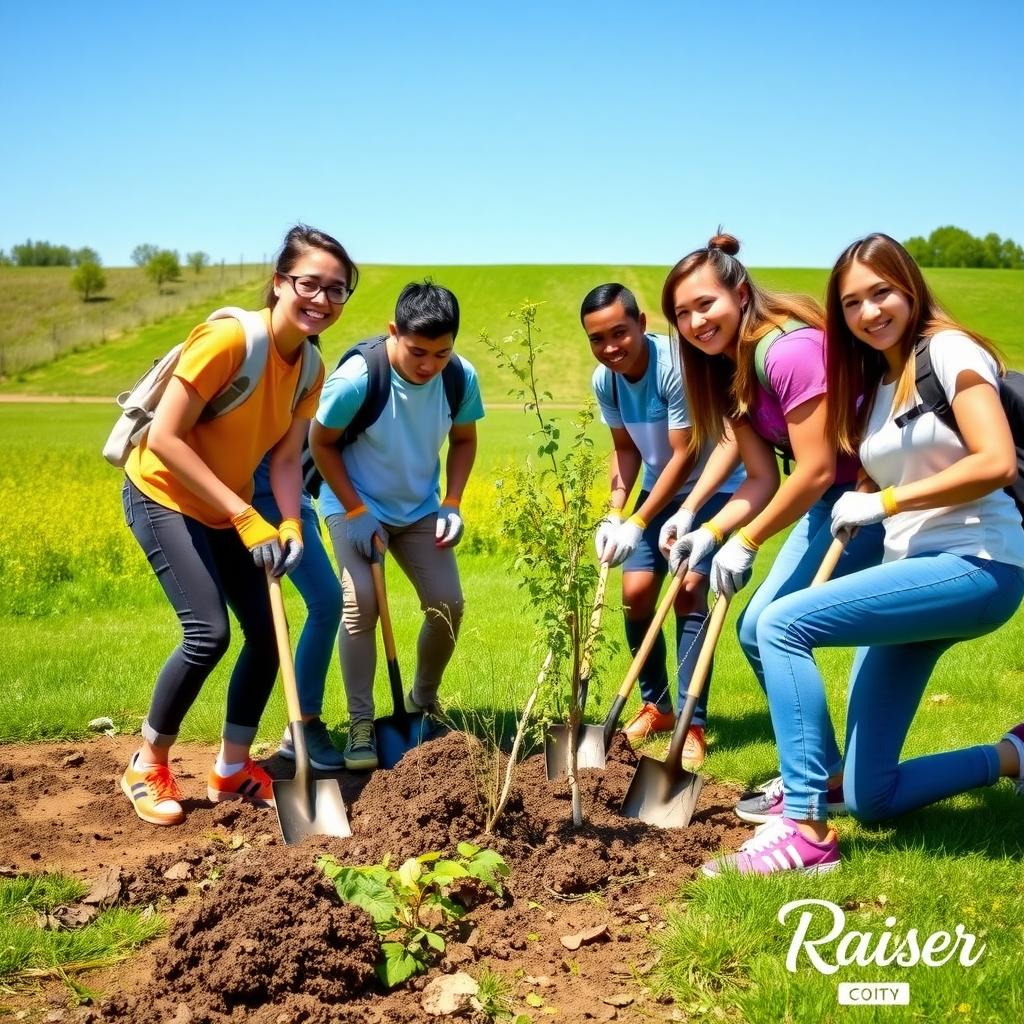
- Environmental Initiatives: From campus cleanups to tree-planting events, these opportunities appeal to eco-conscious students.
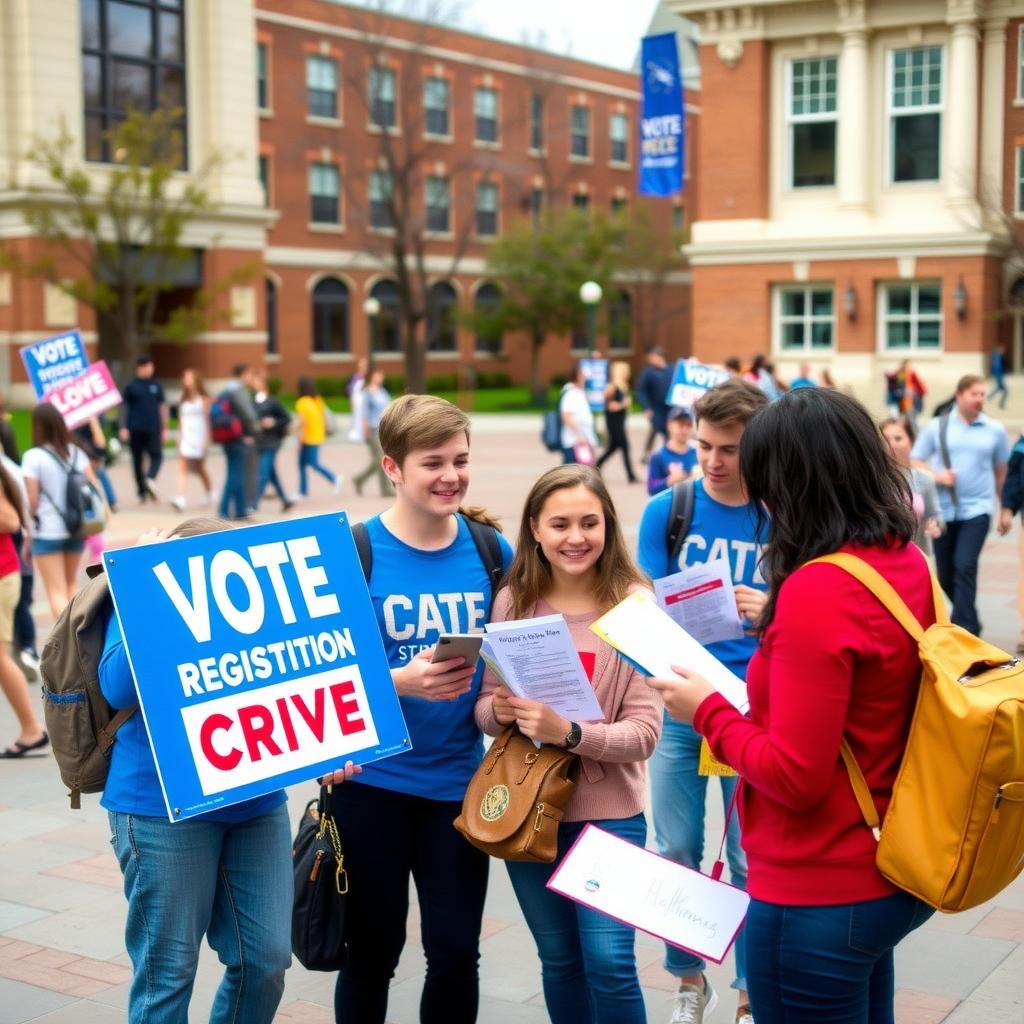
- Advocacy and Awareness: Join campaigns for mental health, voter registration, or social justice. These often involve organizing events or spreading the word.
- Global Impact: Some students opt for international volunteer programs, like teaching English abroad during summer breaks.
- Virtual Volunteering: Can’t leave campus? Online opportunities, like translating documents or mentoring remotely, are flexible and impactful.
Benefits of Volunteering in College
Volunteering does more than feel good—it builds skills employers value. Here’s a quick breakdown:
| Benefit | How It Helps |
|---|---|
| Leadership | Organizing events or leading teams hones decision-making. |
| Networking | Meet professionals, peers, and community leaders. |
| Time Management | Balancing volunteering with classes sharpens prioritization. |
| Career Clarity | Test out fields like education or nonprofit work. |
| Emotional Growth | Build empathy and resilience through meaningful work. |
My time at the food bank taught me how to communicate with diverse groups, from clients to coordinators. It wasn’t just about handing out groceries—it was about listening and understanding people’s stories.
How to Find Volunteer Opportunities
Finding the right opportunity can feel overwhelming, but it’s easier than you think. Start with these steps:
- Check Campus Resources: Most colleges have a community service office or student organizations dedicated to volunteering. My university’s service center had a bulletin board packed with flyers for local projects.
- Explore Online Platforms: Websites like VolunteerMatch.org or Idealist.org list opportunities by location and interest. Filter for student-friendly roles.
- Join Student Groups: Clubs like Habitat for Humanity or environmental societies often organize service projects.
- Ask Professors: Some courses offer service learning credits, blending volunteering with academics.
- Look Local: Check with nearby nonprofits, libraries, or community centers for one-off or ongoing needs.

Balancing Volunteering with College Life
College schedules are packed—classes, part-time jobs, and social life compete for time. So how do you fit volunteering in? Here’s what worked for me:
- Start Small: Commit to a few hours a month. A Saturday morning at a soup kitchen can be enough to make an impact.
- Choose Flexible Roles: Virtual volunteering or one-time events fit busy schedules.
- Team Up: Volunteer with friends to make it fun and social.
- Track Your Time: Use a planner to avoid overcommitting. I learned this the hard way after missing a study session for a last-minute cleanup event.
A 2024 study from the National Association of Colleges and Employers found that 70% of employers value volunteer experience as much as paid work. So, even a small commitment can pay off big.
Service Learning: Combining Volunteering with Academics
Service learning takes volunteering to the next level by tying it to your studies. Many colleges offer courses where you volunteer as part of the curriculum. For example, a sociology class might partner with a local shelter to study community needs while serving. I took a service learning course in environmental science, where we restored a local wetland. It wasn’t just academic—I felt like I was part of something bigger.
To find service learning opportunities, check your college’s course catalog or ask academic advisors. Some programs even offer credits, making it a win-win for your GPA and your community.
Challenges and How to Overcome Them
Volunteering isn’t always smooth sailing. Here are common hurdles and how to tackle them:
- Time Constraints: If you’re stretched thin, opt for short-term projects or micro-volunteering, like writing letters for a cause.
- Lack of Experience: Many roles don’t require prior skills. Nonprofits often provide training.
- Feeling Overwhelmed: Start with a cause you care about, like animal welfare or education, to stay motivated.
- Transportation: Look for on-campus or virtual opportunities if getting around is tough.
When I started volunteering, I worried I wasn’t qualified. But most organizations just want enthusiasm and reliability—skills you already have as a student.
Making the Most of Your Volunteer Experience
To get the most out of volunteering, reflect on your experience. Keep a journal to track what you learn, like I did after working with a youth mentorship program. It helped me see how much I’d grown in confidence and patience. Also, don’t be afraid to ask for leadership roles or network with professionals you meet—they can open doors later.
Finally, share your story. Post about your volunteer work on social media or your college’s blog. It inspires others and shows future employers your commitment. According to LinkedIn, 41% of recruiters are more likely to hire candidates who showcase volunteer work.
Summary
Volunteer opportunities for college students are more than just a way to give back—they’re a chance to grow, connect, and explore. From community service to service learning, there’s something for every interest and schedule. Start small, find a cause you love, and watch how it transforms your college experience. Ready to make a difference? Check out the resources below to get started.