Volunteer Opportunities for College Students: Making a Difference While Growing
Discover the best volunteer opportunities for college students, from service learning to community projects. Learn how volunteering boosts personal growth, career skills, and campus connections while making a positive impact.
5 min read
Overview: Why Volunteer as a College Student?
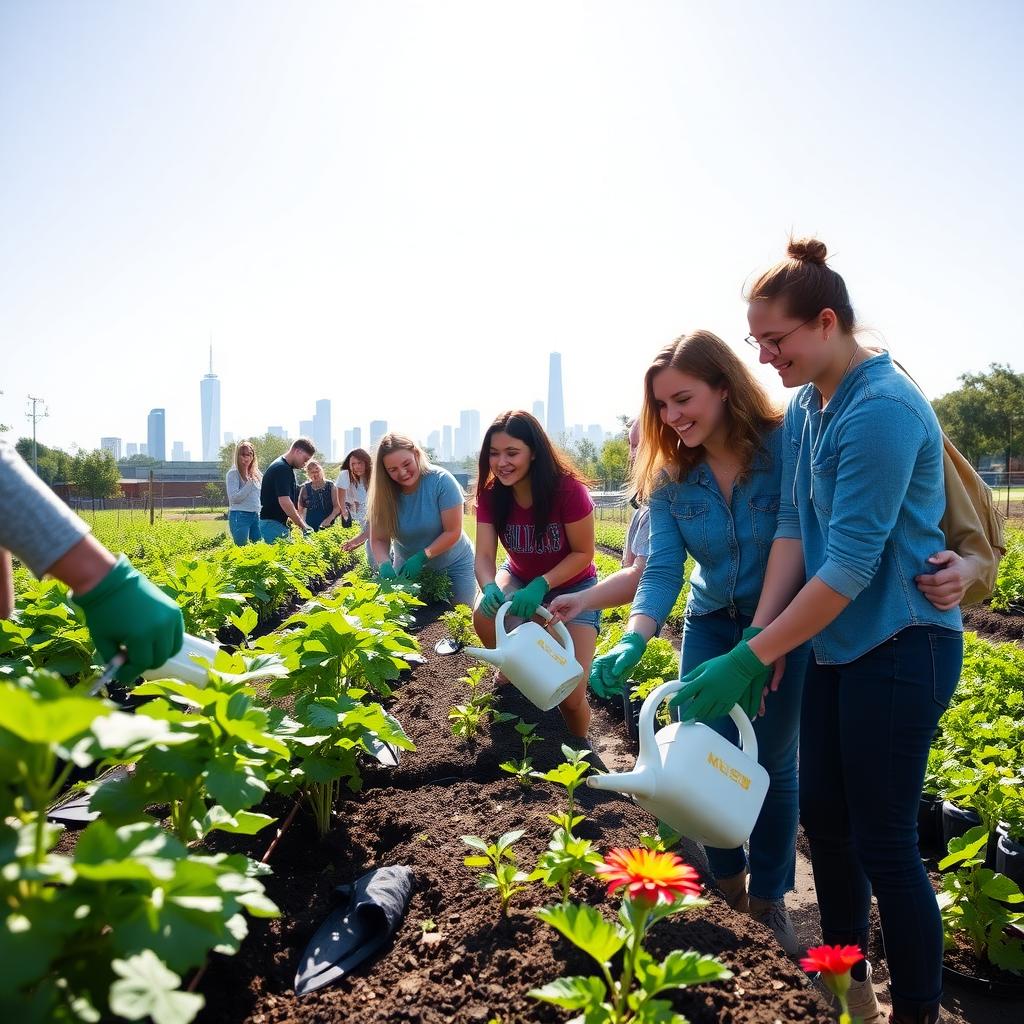
Volunteering during college isn’t just about giving back—it’s a chance to grow, connect, and explore. From service learning programs to local nonprofits, volunteer opportunities for college students offer meaningful ways to develop skills, build networks, and make a difference. This guide explores options, benefits, and practical tips for getting started.
The Power of Volunteering in College
College is a time of discovery. You’re figuring out who you are, what you value, and where you want to go. Volunteering fits perfectly into this journey. It’s not just about padding your resume (though it helps!). It’s about finding purpose, meeting people, and seeing the world through new eyes.
When I volunteered at a local food bank during my sophomore year, I didn’t expect it to change my perspective. Sorting donations and chatting with families showed me the real impact of small actions. That experience pushed me to keep volunteering, and it shaped how I approach challenges today.
Types of Volunteer Opportunities for College Students
The options are endless, and there’s something for every interest. Here’s a breakdown of popular volunteer paths:
- Service Learning Programs: Many colleges offer service learning, blending volunteer work with academic credit. These programs let you tackle real-world issues while earning credits. For example, you might tutor kids while studying education or clean up parks in an environmental science course.
- Campus Organizations: Student-led groups like Habitat for Humanity or campus food drives are low-commitment ways to get involved. They’re also great for meeting friends.
- Local Nonprofits: Food banks, shelters, or literacy programs love college volunteers. These roles let you engage directly with your community.
- Virtual Volunteering: Can’t leave campus? Try online opportunities like translating documents for global charities or mentoring students remotely.
- International Programs: Some students volunteer abroad during breaks, teaching English or building homes. These require more planning but offer life-changing experiences.

Benefits of Volunteering
Volunteering does more than make you feel good. It builds skills that last a lifetime. Here’s what you gain:
| Benefit | How It Helps |
|---|---|
| Career Skills | Leadership, teamwork, and communication shine on resumes. Employers love candidates with real-world experience. |
| Networking | You’ll meet professors, community leaders, and peers who can open doors. |
| Personal Growth | Facing new challenges builds confidence and empathy. |
| Mental Health | Helping others reduces stress and boosts happiness, backed by studies like those from the Corporation for National and Community Service. |
| Academic Edge | Service learning ties coursework to real issues, deepening your understanding. |
One friend of mine volunteered at an animal shelter and landed a vet school recommendation from a supervisor. Another tutored kids and discovered a passion for teaching. These aren’t just stories—they’re proof volunteering can shape your future.
How to Find Volunteer Opportunities
Finding the right opportunity is easier than you think. Start with these steps:
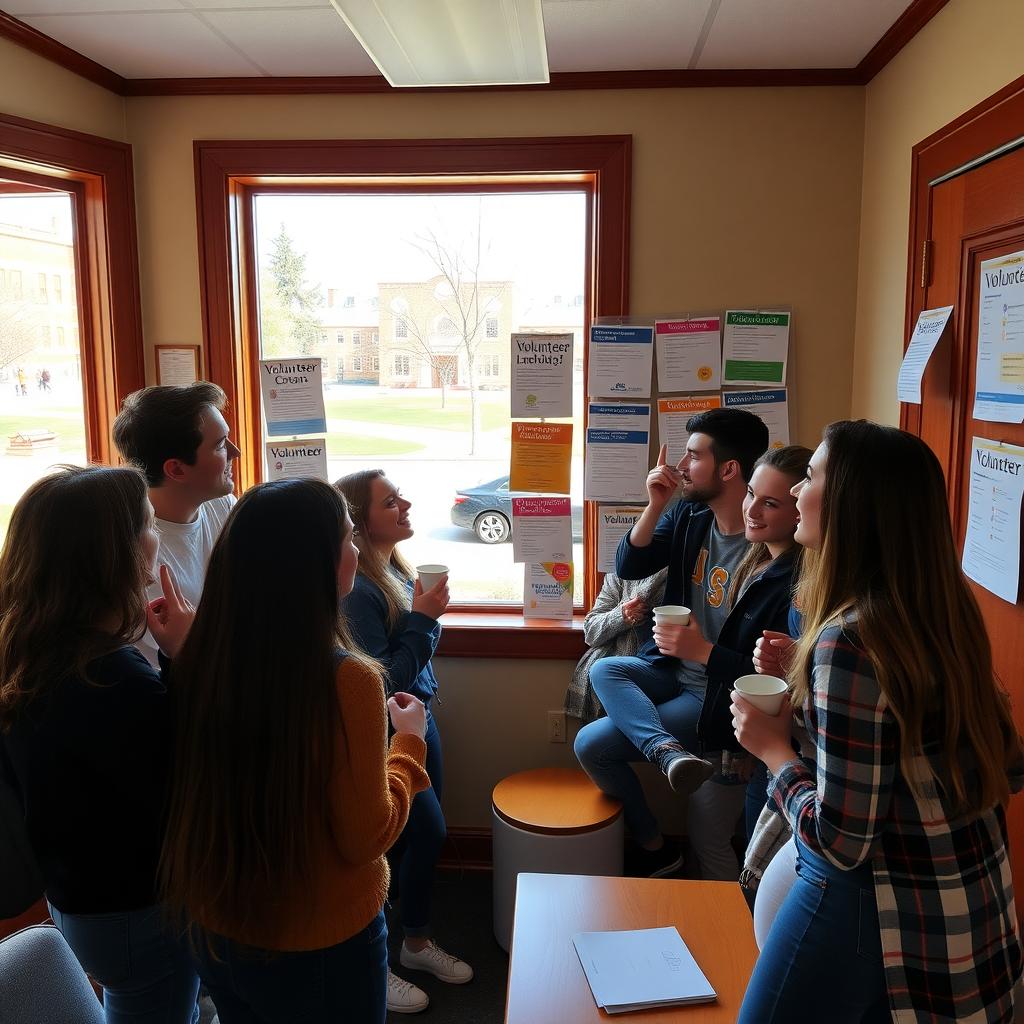
- Check Your Campus: Most colleges have a volunteer or service learning office. Mine had a bulletin board packed with flyers for local projects.
- Use Online Platforms: Sites like VolunteerMatch or Idealist connect you with local and virtual opportunities.
- Ask Professors: They often know about service learning programs tied to your major.
- Join Student Groups: Clubs often organize volunteer events, from beach cleanups to charity runs.
- Talk to Friends: Word-of-mouth can lead to unique opportunities, like helping at a community theater.
Pro tip: Start small. A one-day event, like a campus blood drive, can help you test the waters without a big commitment.
Balancing Volunteering with College Life
College is busy—classes, part-time jobs, and social life can feel overwhelming. So how do you fit volunteering in? Here’s what worked for me:
- Set a Schedule: Commit to a few hours a week or one event a month. Consistency is key.
- Choose Local Options: Nearby opportunities save travel time. I stuck to projects within walking distance of campus.
- Team Up: Volunteering with friends makes it fun and keeps you accountable.
- Be Realistic: Don’t overcommit. If midterms are looming, scale back.
One semester, I overdid it and signed up for three volunteer projects. I learned to say no and focus on one meaningful role. Quality beats quantity.
Real Stories from Student Volunteers
Hearing from others can inspire you to start. Here are two real examples:
- Maria, Junior: Maria joined a service learning program tutoring at-risk youth. She says, “I thought I’d just help kids read, but I learned so much about their lives. It made me want to be a social worker.”
- Jake, Senior: Jake volunteered at a homeless shelter and organized a donation drive. “It showed me how small actions ripple out. Plus, I made friends I’d never have met otherwise.”
These stories show how volunteer opportunities for college students spark both personal and career growth.

Tips for Making the Most of Volunteering
To get the biggest impact, keep these in mind:
- Reflect on Your Experience: Journaling or discussing what you learned helps solidify lessons.
- Document Your Work: Track hours and projects for your resume or LinkedIn. Some schools even offer volunteer certificates.
- Ask for Feedback: Supervisors can help you improve and may write recommendation letters.
- Stay Open-Minded: Try roles outside your comfort zone. I never thought I’d enjoy organizing events until I tried it.
Volunteering isn’t just about giving—it’s about growing. Every hour you spend helping others teaches you something new.
Challenges and How to Overcome Them
Volunteering isn’t always easy. You might face time constraints, emotional burnout, or logistical issues. Here’s how to handle them:
- Time Management: Use a planner to block out volunteer hours. Treat them like a class.
- Emotional Toll: Working with underserved communities can be heavy. Talk to friends or a counselor if you feel overwhelmed.
- Transportation: If you don’t have a car, look for campus shuttles or virtual opportunities.
I once felt drained after weeks at the food bank. Talking to my supervisor and taking a short break helped me recharge.
Summary: Start Small, Dream Big
Volunteer opportunities for college students are more than resume boosters—they’re a chance to grow, connect, and make a real impact. Whether through service learning, campus clubs, or local nonprofits, you can find a role that fits your passions and schedule. Start with one small step, and you’ll be amazed at where it takes you.