Volunteer Opportunities for Families: Meaningful Ways to Give Back Together
Discover rewarding volunteer opportunities for families that strengthen bonds, teach valuable life lessons, and make a real difference in your community. Learn how to find and start family volunteering with practical tips and inspiring ideas.
4 min read
Volunteer opportunities for families offer a powerful way to connect, learn, and contribute together. Families who volunteer report stronger relationships and a greater sense of purpose. This guide explores practical ways to get involved, from local projects to ongoing commitments.
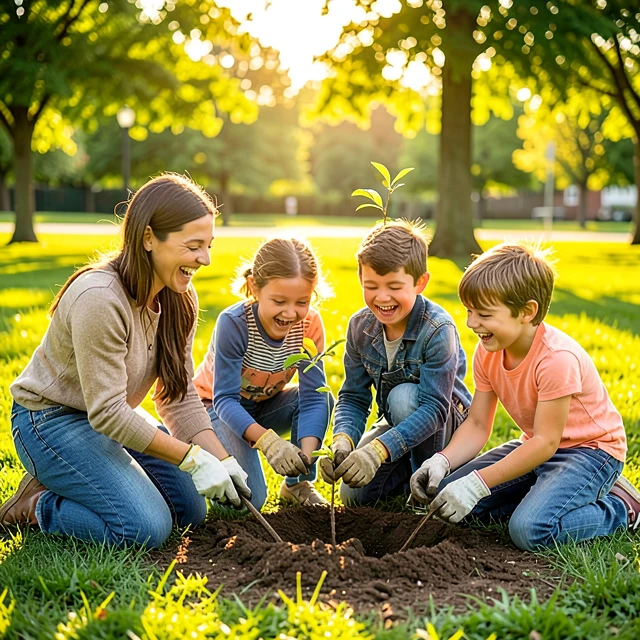
In today's busy world, finding quality time as a family can be challenging. Volunteering provides meaningful shared experiences that go beyond everyday routines. Parents often share how these activities create lasting memories while teaching children empathy and responsibility.
According to data from the U.S. Census Bureau, parents with children under 18 volunteer at higher rates than those without kids. This shows many families already recognize the value of giving back together.
Why Families Should Volunteer Together
Volunteering as a family builds stronger connections. Working toward a common goal creates teamwork and open conversations. Children see their parents modeling compassion, which shapes their character.
Health benefits add another strong reason to participate. Research from Mayo Clinic highlights that volunteering improves physical and mental health, reduces stress, and increases life satisfaction. These advantages extend to all family members.
Kids who volunteer develop better social skills and self-esteem. Studies show youth who give one hour or more weekly are less likely to engage in risky behaviors. Families create positive traditions that can last for years.
How to Start Volunteering: A Beginner's Guide
Starting feels simple once you take the first step. Begin by discussing interests as a family. Do you care about animals, the environment, education, or helping neighbors? Matching passions to causes leads to more enjoyable experiences.
Set realistic goals based on your schedule. Start with one-time events before committing to regular roles. Many organizations welcome families and adjust tasks for different ages.
Prepare children by explaining the activity and expected impact. Young kids might sort donations while older ones interact directly with people served. Always check age requirements in advance.
How to Find Volunteer Opportunities Near You
Local searches yield great results. Check community centers, libraries, schools, and places of worship for postings. Many cities maintain volunteer databases online.
Popular platforms include VolunteerMatch (now part of Idealist) and Points of Light. These sites let you filter by location, cause, and family-friendliness. Search for "family volunteer opportunities" to see tailored listings.
Reach out to established nonprofits like Habitat for Humanity, local animal shelters, or food banks. Many offer family days or special family programs.
Types of Volunteer Opportunities for Families
Environmental Projects: Park cleanups, tree planting, and recycling drives suit active families. These outdoor activities combine exercise with visible impact.
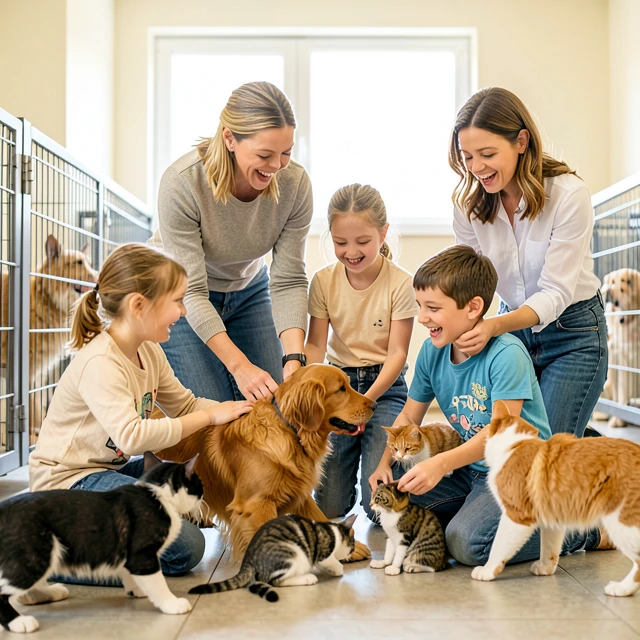
Animal Care: Shelters need help walking dogs, socializing cats, or assembling supply kits. Animal-loving families often find these especially rewarding.
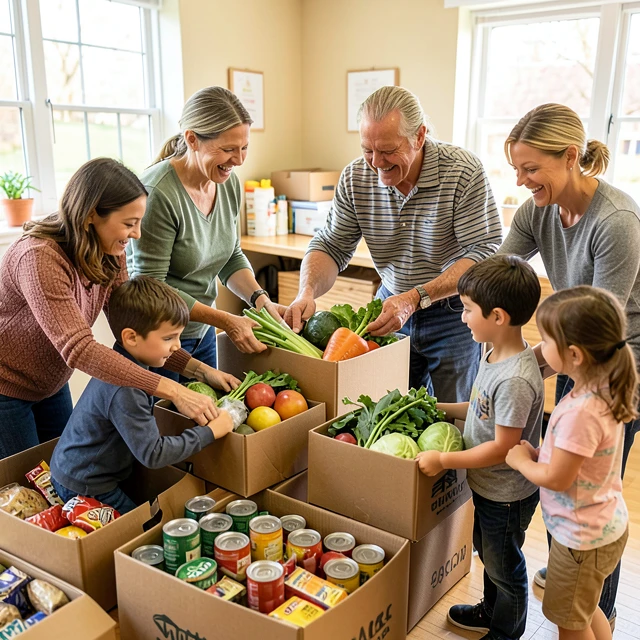
Community Support: Food pantries, clothing drives, and meal services welcome families. Children can help organize items while learning about food insecurity.
Educational Support: Tutoring, reading programs, or school supply sorting allow families to support learning. Older children can assist younger ones.
Advocacy Programs for Volunteers: Many organizations offer advocacy training. Families can write letters, attend events, or raise awareness about causes they care about. This teaches civic engagement and effective communication.
Advocacy adds depth by addressing root causes. Families might join campaigns for environmental protection or child welfare, combining direct service with long-term change.
Making Volunteering Successful and Sustainable
Choose flexible options that fit your lifestyle. Virtual opportunities like writing cards or assembling kits work well for busy families or those with young children.
Track your experiences in a family journal. Note what you learned and how it felt. Review entries to plan future activities and celebrate impacts made.
Safety comes first. Follow organization guidelines, wear appropriate clothing, and stay hydrated during outdoor work. Discuss boundaries with children beforehand.
Here is a simple table of popular family volunteer ideas:
| Activity | Age Range | Frequency | Benefits |
|---|---|---|---|
| Park Cleanup | All ages | Monthly | Physical activity, environmental awareness |
| Food Bank Sorting | 5+ | One-time or regular | Understanding hunger issues |
| Animal Shelter Help | 8+ | Weekend shifts | Compassion for animals |
| Reading to Seniors | All ages | Weekly | Intergenerational connections |
Personal stories highlight the power of these experiences. One parent described how their weekly park cleanups turned into cherished family time. The children now initiate environmental conversations at home.
Another family shared how helping at a food distribution opened honest talks about privilege and gratitude. Their kids became more appreciative and eager to help others.
Overcoming Common Challenges
Time constraints top the list of barriers. Start small with short events. Many organizations need help only a few hours monthly.
Different interests among family members require compromise. Rotate choices so everyone feels included over time. Or split into smaller groups for specific tasks.
Young children may need extra supervision. Look for programs designed for little ones, like simple craft projects for donations.
Long-Term Impact of Family Volunteering
Regular volunteering builds habits that last into adulthood. Children who volunteer with families are more likely to continue as adults.
Communities benefit enormously. Family volunteers bring energy, creativity, and diverse perspectives. Their involvement strengthens social bonds and supports vital services.
For deeper insights on health benefits, explore 3 health benefits of volunteering from Mayo Clinic Health System. The U.S. Census Bureau also provides valuable data on volunteering and civic life in America.
Summary
Volunteer opportunities for families create win-win situations. You strengthen bonds, develop skills, improve health, and help others. Start small, stay consistent, and watch positive changes unfold in your family and community.