Unlocking Volunteer Opportunities in Advocacy Groups: Make a Real Impact
Explore volunteer opportunities in advocacy groups focused on human rights, environment, and more. Learn benefits, how to get involved, and real stories to inspire your journey in advocacy and volunteer work.
4 min read
Overview
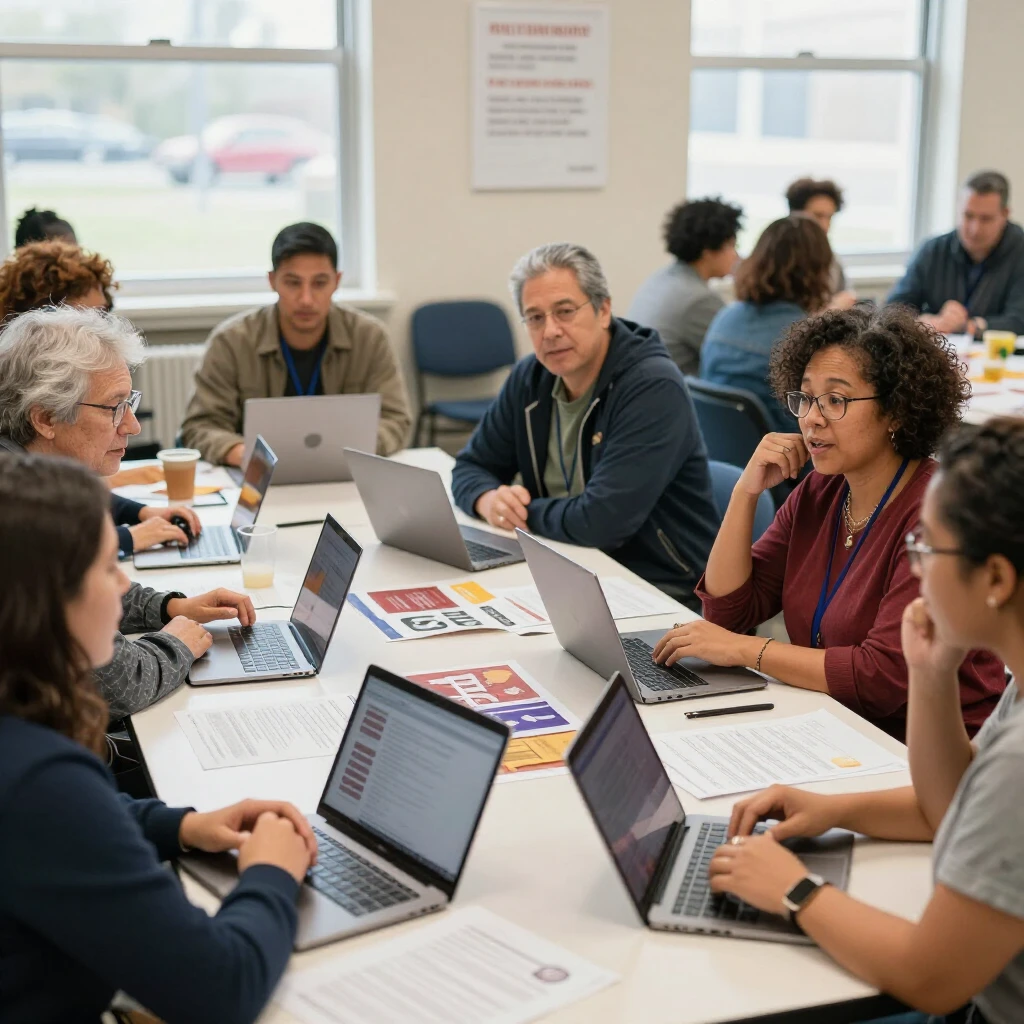
Volunteer opportunities in advocacy groups offer ways to fight for change in areas like human rights, the environment, and social justice. These roles let you use your skills to make a difference while building connections and growing personally. Dive in to see how you can start today.
What Are Advocacy Groups?
Advocacy groups work to influence policies and public opinion on important issues. They push for changes in laws, raise awareness, and support communities in need. Think of organizations that stand up for civil rights, protect the planet, or help vulnerable people.
These groups range from local teams to global networks. They tackle problems like climate change, inequality, and freedom of speech. By joining, you become part of a movement that shapes a better world.
Advocacy isn't just about protests. It includes research, education, and community outreach. Volunteers play a key role in these efforts, bringing fresh ideas and energy.

Benefits of Volunteering in Advocacy
Volunteering in advocacy groups boosts your life in many ways. First, it gives you a sense of purpose. You see your actions lead to real change, like new laws or community improvements.
Studies show volunteering improves health. One research piece found it reduces stress and increases happiness. For more on this, check out this study on volunteering effects.
You also gain skills. Advocacy work teaches public speaking, organizing events, and teamwork. These help in your job or daily life.
From my view, volunteering opened doors for me. I started small, helping with petitions, and it built my confidence. Many volunteers say the same – it creates lasting friendships and a network of like-minded people.
Plus, it expands your worldview. You learn about issues you might not know, fostering empathy and understanding.
Types of Volunteer Opportunities in Advocacy Groups
Volunteer opportunities in advocacy groups vary widely. Here's a look at some common ones:
-
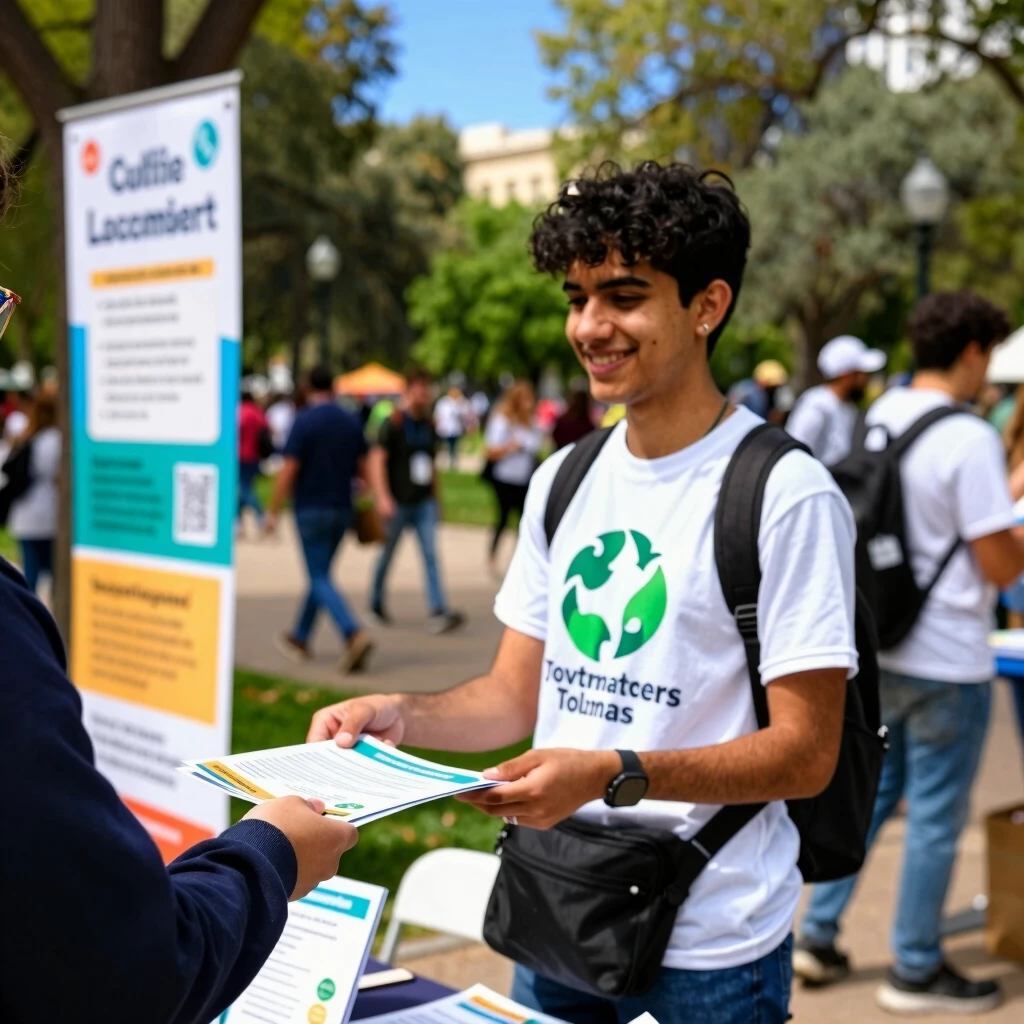
Campaigning and Outreach: Knock on doors, call people, or run social media to spread messages. This builds support for causes.
-
Research and Policy Work: Dig into data, write reports, or track laws. If you like details, this fits.
-
Event Planning: Organize rallies, workshops, or fundraisers. It involves creativity and logistics.
-
Legal Support: Help with cases if you're trained, or assist in clinics for those in need.
-
Education and Training: Teach others about issues through talks or online sessions.
Different groups offer unique roles. For example, environmental advocacy might include clean-up days or lobbying for green policies.
| Organization | Focus | Volunteer Roles |
|---|---|---|
| ACLU | Civil Liberties | Grassroots organizing, event support, legal aid assistance |
| Amnesty International | Human Rights | Petition drives, research, local activism |
| Sierra Club | Environment | Outings leadership, policy advocacy, community clean-ups |
These examples show how you can match your interests to opportunities.
How to Get Involved in Volunteer Opportunities
Starting is easier than you think. First, identify your passion. What issues fire you up? Human rights? Animal welfare? Pick one to focus on.
Search online for groups. Sites like VolunteerMatch or official org pages list openings. For instance, the ACLU has a volunteer action page where you can sign up for local teams.
Amnesty International offers volunteer roles from global offices to virtual tasks.
Attend events. Many groups host open meetings or webinars. This lets you meet people and learn more.
Prepare a resume highlighting your skills. Even without experience, enthusiasm counts.
Once in, start small. Commit to a few hours a week. As you grow, take on more.
I recall my first volunteer shift – nervous but excited. It turned into a rewarding habit. You might feel the same.
Personal Stories and Insights
Hearing from others inspires. Take Sarah, who volunteered with an environmental group. She started by picking up litter and ended up speaking at city hall. 'It changed how I see my role in the world,' she says.
Or Mike, in human rights advocacy. He helped with campaigns against injustice. 'The connections I made last a lifetime,' he shares.
These stories show advocacy volunteering builds resilience. You face challenges but see wins that matter.
Challenges exist, like burnout. Set boundaries and take breaks. Groups often provide support.
Overall, the rewards outweigh the hurdles. You contribute to society while growing.
Overcoming Common Barriers
Time is a big barrier. Many think they can't commit. But flexible options exist, like virtual volunteering.
Lack of experience? Groups train you. Start with entry-level tasks.
Location issues? Online roles let you help from anywhere.
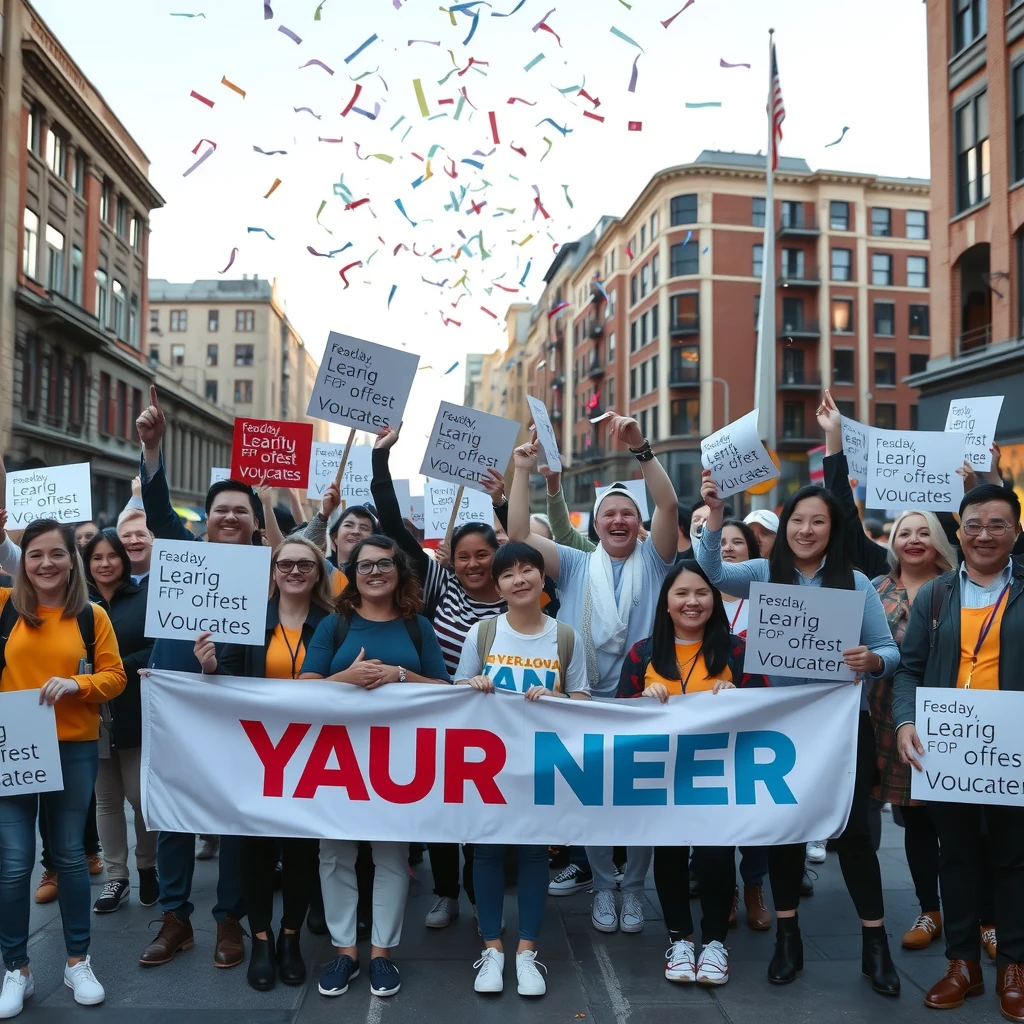
Diversity matters. Advocacy groups seek inclusive volunteers. They value different perspectives.
For more on volunteer power, see this article on volunteer advocacy. It explains how volunteers drive change.
Summary
Volunteer opportunities in advocacy groups empower you to create change. From skill-building to community impact, the benefits are clear. Whether through local events or global campaigns, your volunteer work in advocacy matters. Start exploring today and join the movement.