Volunteer Opportunities in Environmental Advocacy
Explore various volunteer opportunities in environmental advocacy, from local projects to advocacy groups and educational initiatives.
4 min read
Environmental advocacy is vital in a world facing climate change, pollution, and habitat loss. Volunteering in this field lets you take action and create real change. This article explores volunteer opportunities in environmental advocacy, offering insights and tips to help you get started.

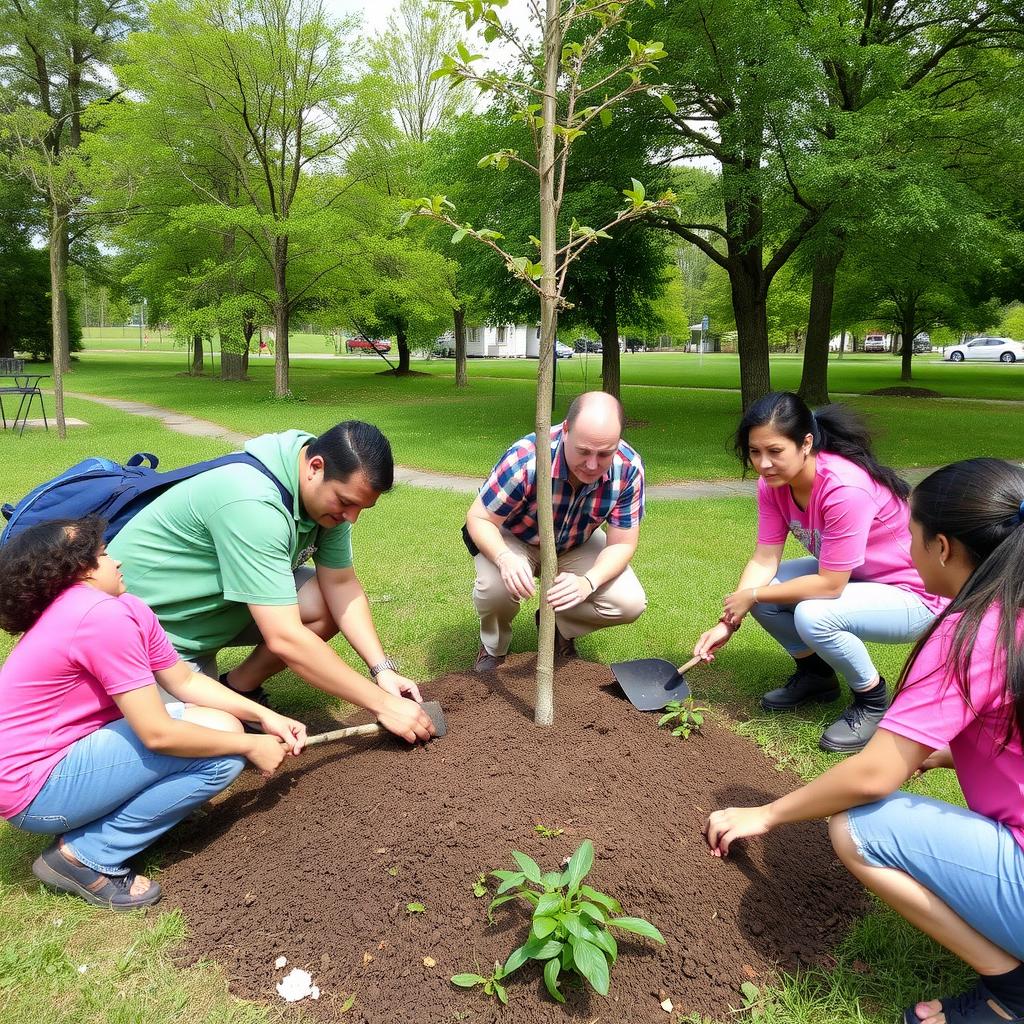
One of the easiest ways to start is with local community projects. These include things like tree planting, beach cleanups, and community gardens. They’re hands-on and let you see results right away.
I joined a tree-planting day in my neighborhood once. We planted over 100 trees in a few hours. What was once an empty lot turned into a green space buzzing with life. My hands were dirty, my back ached, but the feeling of teamwork and progress was worth it. Projects like these bring people together and improve the places we live.
If you’re new to volunteering, this is a great place to begin. You don’t need special skills—just a willingness to help.
Volunteer opportunities in advocacy groups focus on bigger changes. These groups work to influence laws, policies, and public opinion. Tasks might include writing petitions, meeting with lawmakers, or spreading the word about key issues.
I volunteered with a local group fighting plastic waste. We pushed for stricter rules on plastic bags. After months of collecting signatures and talking to officials, our city passed a new regulation. Seeing our work lead to actual change was incredible. It showed me how regular people can shape the future.
This type of volunteering takes patience and good communication. If you like speaking up and digging into research, advocacy could be your fit.
Education is a powerful tool in environmental advocacy. Volunteers here teach others about protecting the planet. You might run workshops, visit schools, or host community events.
I helped put together a sustainable living workshop for high school kids. We covered simple stuff—reducing waste, saving energy. The students asked tons of questions and left with ideas they could use at home. Watching them get excited about small changes was a highlight for me.
If you enjoy teaching or talking to people, this is a rewarding option. You’re planting seeds for long-term impact.
Citizen science projects let volunteers help with environmental research. You might track wildlife, test water quality, or record climate data. Scientists use this info to understand and protect nature.
I joined a birdwatching project once. We spent mornings counting birds and noting their types. Our data went to researchers studying how local bird numbers were changing. It felt good to contribute to science, even in a small way. Plus, I learned a lot about birds I’d never noticed before.
This role suits people who like observing and collecting details. It’s a quieter way to volunteer but still makes a big difference.
No matter which role you choose, certain skills and qualities help. Here’s what I’ve found matters most: - Passion: You need to care about the environment—it’s what keeps you going. - Communication: Explaining ideas or rallying others is key in many roles. - Teamwork: Most projects involve working with people, so getting along counts. - Problem-Solving: You’ll face challenges, like figuring out how to clean a tricky spot or sway a tough crowd.
Don’t worry if you’re not perfect at these. Volunteering helps you build them over time.
Here’s a quick table to compare the roles:
| Role | Skills Needed | Time Needed | Impact Type |
|---|---|---|---|
| Beach Cleanup | Stamina, teamwork | 2-4 hours | Instant, visible |
| Advocacy Group | Communication, research | Varies | Policy shifts, long-term |
| Educator | Teaching, speaking | Varies | Behavior change, awareness |
| Citizen Scientist | Observation, detail | Varies | Research, conservation |
Ready to jump in? Start local. Check community boards, libraries, or websites for events near you. Groups like the Sierra Club or local nonprofits often list volunteer opportunities in environmental advocacy. Online platforms like VolunteerMatch can connect you too.
Think about what you enjoy. Love being outdoors? Try cleanups or tree planting. Good with words? Advocacy might suit you. There’s no wrong choice—just start somewhere.
I began with a single cleanup and got hooked. You might find the same. Every step forward helps the planet and feels good too.
Volunteering in environmental advocacy isn’t just about the work—it’s about the ripple effect. A tree you plant today could shade someone years from now. A law you help pass might cut pollution for decades. Even teaching one person can inspire them to teach others.
I’ve seen this firsthand. After that plastic bag campaign, friends started carrying reusable bags. Small wins grow into something bigger. That’s the power of volunteering.
Volunteer opportunities in environmental advocacy are all around you. From planting trees to pushing for laws, teaching others, or aiding research, there’s a role for everyone. Each one helps build a better planet. Find what excites you, and get started. Your actions matter more than you might think.
Recommended Readings:
- "How to Get Involved in Environmental Advocacy" - A beginner’s guide to taking action.
- "The Power of Grassroots Environmental Work" - Stories of community success.
- "Citizen Science and You" - How volunteers shape research.
- "Teaching Green: Educating for Change" - Tips for environmental educators.
Internal Links:
- Find Local Volunteer Events
- Join Advocacy Groups Near You
- Explore Citizen Science Projects
- Educational Outreach Opportunities
- Community Cleanup Programs