Volunteer Tips: Your Essential Guide to Service Learning and Civic Engagement
Discover practical volunteer tips to start your journey in service learning and civic engagement. This comprehensive article shares actionable advice, real experiences, and insights to help you give back and make a real difference.
4 min read
Service learning and civic engagement change lives. They connect classroom knowledge with real community impact. As an experienced volunteer, I have seen firsthand how these opportunities grow personal growth and strengthen neighborhoods. This guide offers volunteer tips that work for everyone, from beginners to seasoned helpers.
Why Volunteer Tips Matter for Service Learning
Volunteering is more than showing up. It builds skills while helping others. Service learning combines service with learning. Students apply what they study in real settings. Civic engagement turns everyday citizens into active participants.
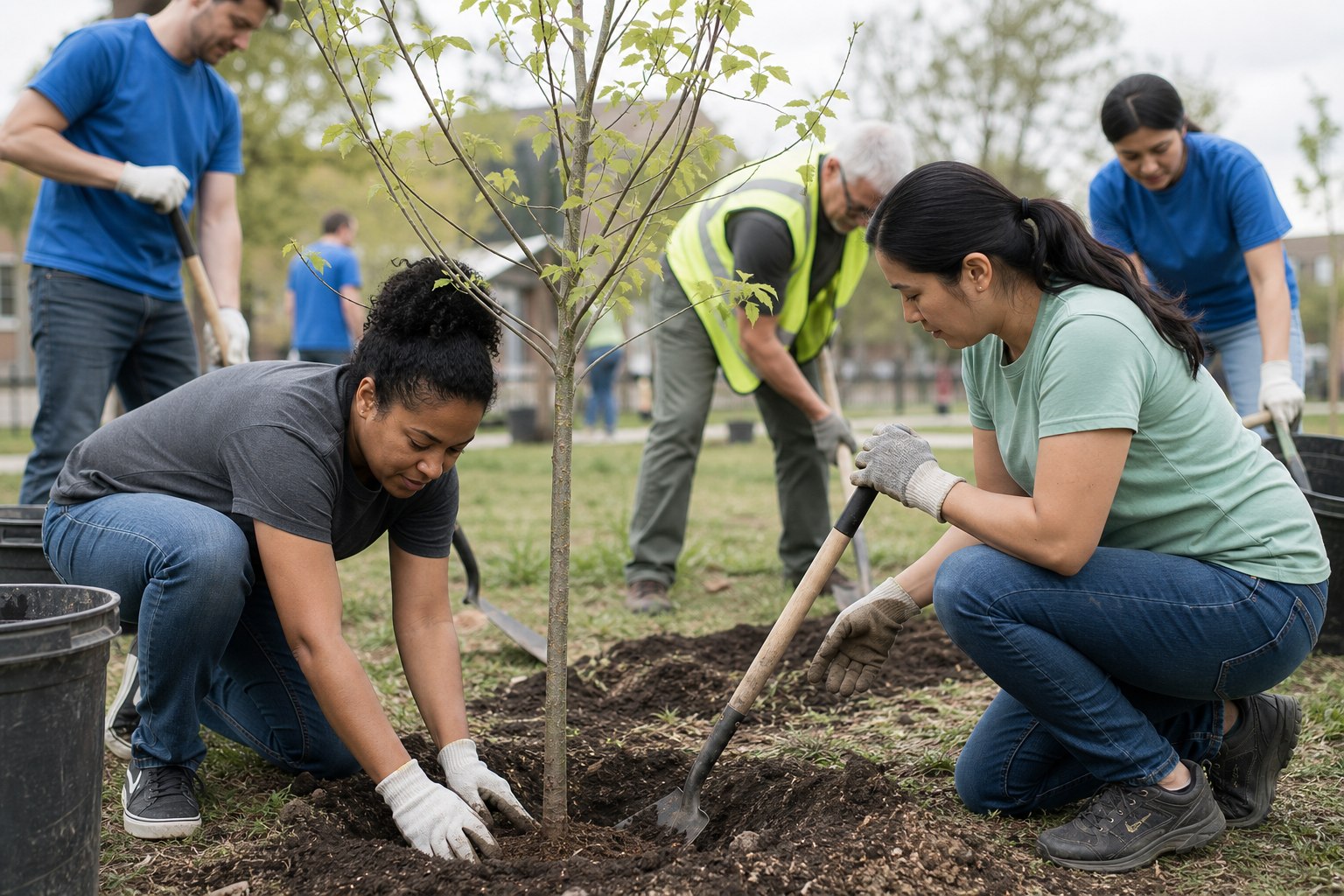
Many people start service learning projects in schools or colleges. They tackle issues like literacy or environmental cleanup. These experiences create lasting bonds between volunteers and communities. I remember my first service learning project in high school. We planted trees along a local river. The city looked better, and we learned about ecology. That day sparked my love for civic involvement.
Finding the Right Volunteer Opportunities
Start by listing your skills and interests. Do you enjoy teaching? Work well with animals? Love organizing events? Match these to opportunities that fit your schedule.
Here is a quick checklist to guide your search:
- Identify causes you care about deeply
- Check your available time each week
- Note any unique talents you can share
- Research local organizations that need help
- Consider service learning projects in your school or community
Volunteering organizations often list roles on their websites. Some focus on food banks while others run tutoring programs. Search for "service learning civic engagement" opportunities near you. Many schools partner with nonprofits for projects that count toward credits.
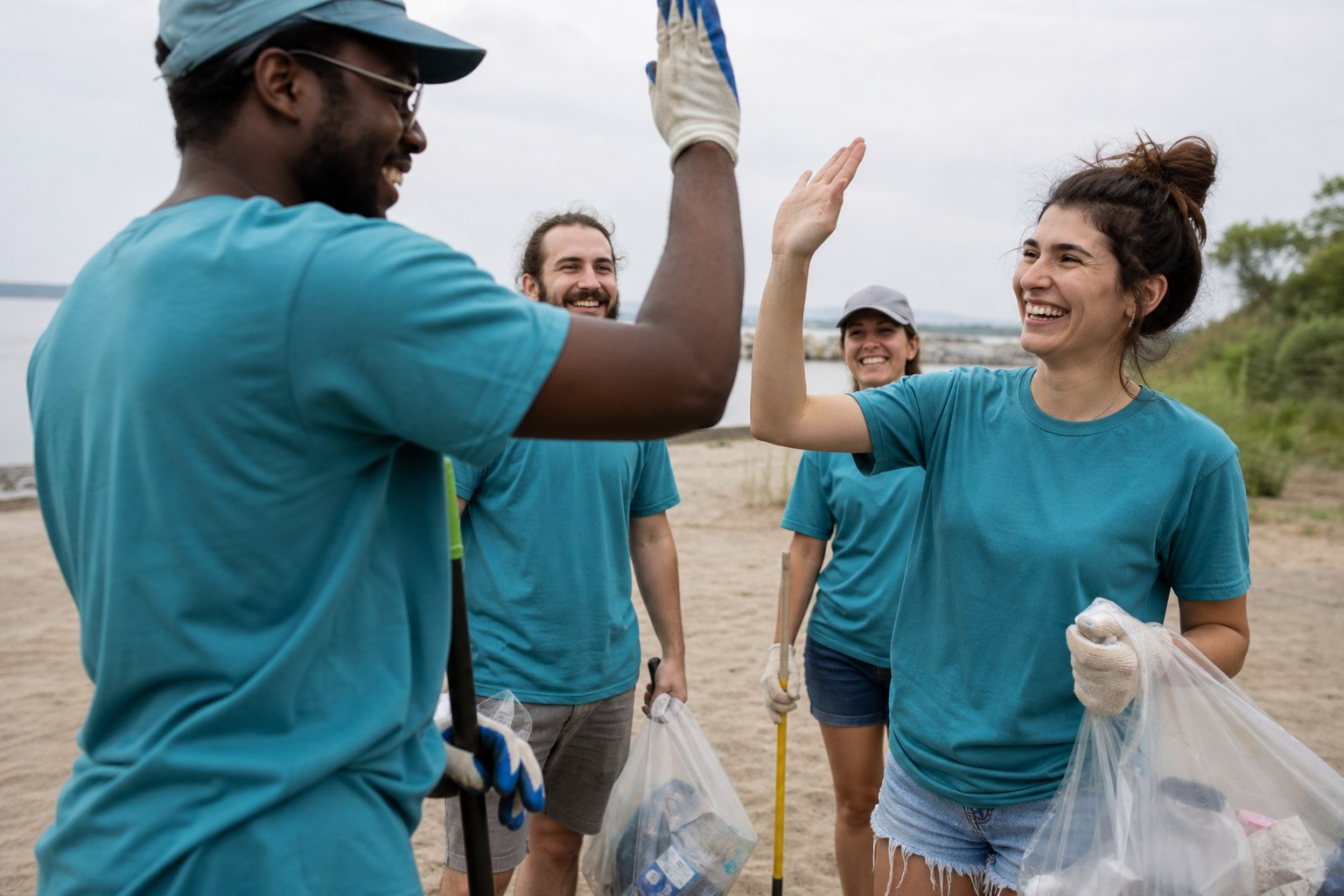
I once joined a neighborhood cleanup group. They needed volunteers to organize supplies. My role led to meeting neighbors and learning about local issues. Small matches like this create big results.
Actionable Volunteer Tips to Start Strong
Preparation sets you up for success. Research your project ahead of time. Understand the goals and community needs. This helps you contribute ideas instead of just following orders.
Dress appropriately and arrive on time. Be respectful and listen to team leaders. These habits show professionalism right away.
Keep a simple log of your hours and notes. Many organizations need this for reports or thank-you letters. It also helps you track personal growth.
During shifts, ask questions. What tasks need doing next? How can I help best? Curious volunteers often get assigned to more interesting roles.
Break your commitments into small steps. Start with one hour a week if needed. Consistency beats perfection every time. I once helped at a food pantry. My first shift was just sorting donations. Over months, I moved up to packing bags. Small steps led to real leadership.
Overcoming Common Challenges in Volunteering
Feeling nervous at first is normal. Remember, everyone starts somewhere. Training sessions often ease you in.
If your group seems disorganized, offer to organize simple tasks. Volunteers who step up often get noticed and promoted.
Balance your volunteer time with school, work, or family. Set clear boundaries. Say no if a task feels too much.
Stay positive even on tough days. Share your experiences with friends to stay motivated. Many volunteers say the best moments happen when you connect with the people you help.
Ethical service learning and civic engagement matter. Always follow community guidelines. Build trust by listening more than speaking. Your efforts will feel more rewarding.

Measuring Impact Through Service Learning and Civic Engagement
Impact shows in small and big ways. Track how your help improves lives. Did fewer people go hungry after your food drive? Did students read more after tutoring?
Many organizations provide simple impact reports. Use these to share results with your community. Seeing data motivates continued volunteering.
Volunteer hours often matter for college applications or resumes. Highlight skills gained like teamwork or problem solving. Employers value this real-world experience.
Join online forums for other volunteers. Share stories and learn from others. Communities grow stronger when people exchange ideas.
Reflect after every project. What worked well? What could improve? These insights turn one-time efforts into ongoing habits.
Real Stories and Personal Insights
My volunteer journey started with service learning in college. I joined a team that taught computer skills to seniors. We met weekly for months. The seniors taught us about resilience. I gained patience and new tech knowledge. Today I still help local libraries with tech workshops.
Another time, I helped at a shelter for homeless families. The daily challenges opened my eyes. I learned about community support systems. This experience changed how I view poverty. It inspired me to start a small fundraiser for future shelters.
These stories remind me why volunteer tips work. They turn strangers into friends and ideas into actions. Service learning and civic engagement create ripple effects that last for years.
Wrapping Up Your Volunteer Tips
Volunteer tips make service learning and civic engagement accessible and rewarding. Start small, stay consistent, and focus on real needs. Your time can create meaningful change.
The world needs more helpers like you. Every effort counts. Reach out to local groups today. Your first volunteer step could change everything.