Mastering Volunteer Training for Advocacy Work: A Comprehensive Guide
Discover how to effectively train volunteers for advocacy work with this in-depth guide. Learn essential skills, strategies, and best practices to empower volunteers, boost campaign success, and create lasting impact in your advocacy efforts.
4 min read
Overview
Volunteer training for advocacy work is the backbone of any successful advocacy campaign. Whether you're rallying for environmental protection, social justice, or policy reform, well-trained volunteers can amplify your message and drive change. This guide dives into the essentials of preparing volunteers, drawing from real-world experiences to help you build a confident, skilled team.
Why Volunteer Training Matters
Advocacy work thrives on passion, but passion alone isn’t enough. Volunteers need clear direction, practical skills, and a deep understanding of the cause to make an impact. Without proper training, even the most enthusiastic volunteers can feel lost or burn out quickly. Training bridges the gap between enthusiasm and effectiveness, turning eager individuals into powerful advocates.
From my own experience organizing community campaigns, I’ve seen untrained volunteers struggle with tasks like public speaking or handling tough questions from skeptics. A solid training program prevents these pitfalls, equipping volunteers with the tools to succeed.
Core Components of Volunteer Training for Advocacy Work
A well-rounded training program covers several key areas. Below, I outline the essentials based on what’s worked in real advocacy settings:
1. Understanding the Cause
Volunteers must grasp the why behind the campaign. This means explaining the issue in simple terms, sharing data, and connecting it to real-world impacts. For example, if advocating for clean water, provide stats like those from the World Health Organization, which notes that 2 billion people lack safe drinking water. Tie these facts to stories of affected communities to make the cause personal.
2. Communication Skills
Advocacy often involves persuading others—whether it’s lawmakers, the public, or media. Train volunteers in clear, concise messaging. Role-playing exercises, where volunteers practice delivering elevator pitches or responding to critics, are incredibly effective. I once watched a shy volunteer transform into a confident speaker after just two role-play sessions.
3. Campaign Strategies
Teach volunteers the nuts and bolts of advocacy tactics, like organizing rallies, writing op-eds, or using social media. Break down each strategy into actionable steps. For instance, when training for social media advocacy, show volunteers how to craft posts that align with campaign goals, using tools like Canva for visuals.
4. Legal and Ethical Guidelines
Volunteers must understand the rules of engagement. This includes knowing lobbying laws or protest regulations in your area. The U.S. Government Accountability Office offers resources on federal lobbying rules, which can be a starting point for U.S.-based campaigns. Ensure volunteers know how to advocate ethically without crossing legal lines.
Designing an Effective Training Program
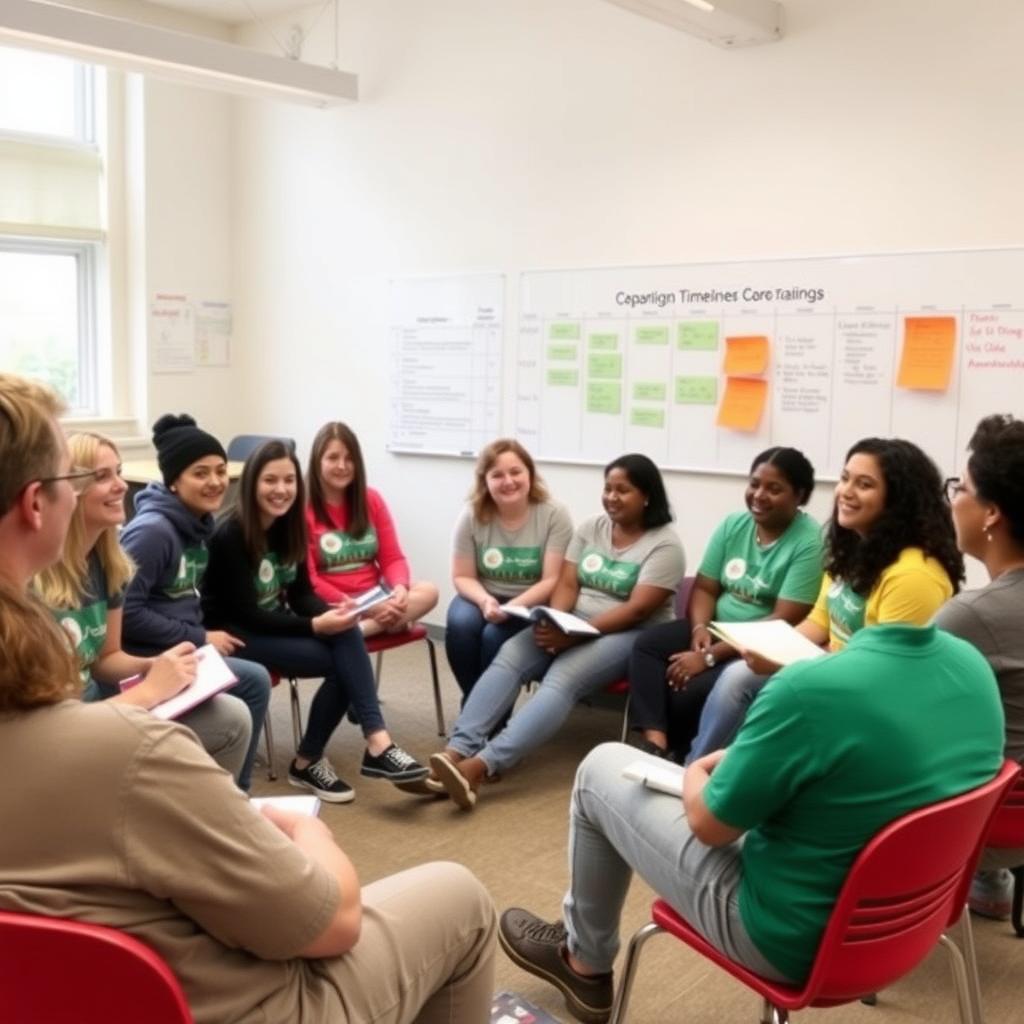
Creating a training program for advocacy volunteers requires careful planning. Here’s a step-by-step approach based on what’s worked for me and other organizers:
- Assess Volunteer Needs: Start by surveying volunteers to understand their skills, experience, and availability. This helps tailor the training to their needs.
- Set Clear Objectives: Define what volunteers should know and do by the end of training. For example, “Volunteers will deliver a 30-second pitch about the campaign.”
- Use Interactive Methods: Lectures bore people. Mix in group discussions, role-plays, and hands-on activities. I’ve found that mock debates spark engagement and build confidence.
- Provide Resources: Share handouts, videos, or links to reliable sources like the Nonprofit Quarterly, which offers insights on advocacy strategies.
- Follow Up: Training doesn’t end after one session. Schedule check-ins to reinforce skills and address challenges.
A real example: In a recent environmental campaign, we trained volunteers over two weekends. The first session covered the science of pollution, while the second focused on door-to-door canvassing. By the end, volunteers were knocking on doors with confidence, armed with facts and scripts.
Common Challenges and Solutions
Training volunteers isn’t always smooth sailing. Here are common hurdles and how to tackle them:
| Challenge | Solution |
|---|---|
| Lack of engagement | Use interactive activities like quizzes or group problem-solving. |
| Time constraints | Offer flexible training formats, like online modules or evening sessions. |
| Diverse skill levels | Group volunteers by experience for tailored training. |
| Fear of public speaking | Practice in small, supportive groups to build confidence. |
I’ve seen these solutions work firsthand. In one campaign, a volunteer was terrified of public speaking. We paired her with a mentor for one-on-one practice, and by the campaign’s end, she was addressing crowds with ease.
Measuring Training Success
How do you know if your training worked? Look for these signs: - Confidence: Volunteers feel ready to take on tasks like canvassing or media interviews. - Knowledge: They can explain the cause clearly and answer basic questions. - Engagement: Volunteers stay active in the campaign long-term.
Track progress with surveys or by observing volunteers in action. For example, after a training session, I asked volunteers to rate their confidence on a scale of 1-10. Most went from a 4 to an 8 after training, a clear win.
Data backs this up: A study from the University of Minnesota found that well-trained volunteers are 60% more likely to stay engaged in advocacy work.
Adapting Training for Different Causes
Not all advocacy is the same. Environmental campaigns differ from social justice or healthcare advocacy. Tailor your training to the cause: - Environmental Advocacy: Focus on scientific data and community storytelling. - Social Justice: Emphasize cultural sensitivity and historical context. - Policy Advocacy: Train on legislative processes and meeting with officials.
In a healthcare campaign I worked on, we spent extra time teaching volunteers how to share patient stories ethically. This made their advocacy more relatable and impactful.

Summary
Volunteer training for advocacy work is about more than teaching skills—it’s about inspiring confidence and building a team that can change the world. By focusing on the cause, communication, strategies, and ethics, you empower volunteers to make a real difference. With the right training, your advocacy campaign can achieve lasting impact.