Volunteering 101: Tips for First-Time Volunteers
New to volunteering? This guide offers practical tips for first-time volunteers, covering how to find opportunities, prepare effectively, and make a real difference—especially in advocacy and community causes.
5 min read
A Quick Overview
Stepping into volunteering for the first time can feel exciting yet a bit overwhelming. In this Volunteering 101 guide, you'll find straightforward tips to help you get started. From spotting volunteer opportunities in advocacy groups to handling your first shift, these insights draw from real experiences to make your journey smooth and rewarding. Whether you're passionate about advocacy or just want to give back, you're in the right place. (42 words)
Why Dive into Volunteering?
Volunteering opens doors you didn't know existed. It builds skills, connects you with like-minded people, and lets you contribute to causes that matter. I remember my first volunteer gig at a local food bank. I showed up nervous, unsure if I could even stack cans properly. By the end of the day, I'd chatted with families facing tough times and felt a surge of purpose. That's the magic—it changes you as much as it helps others.
Think about it: volunteering boosts your resume, sharpens empathy, and even improves mental health. Studies from the Corporation for National and Community Service show volunteers report higher life satisfaction. If advocacy fires you up, volunteer opportunities in advocacy groups can amplify your voice on issues like climate change or social justice.
Start small. Pick a cause close to your heart. Love animals? Help at a shelter. Care about education? Tutor kids after school. The key is alignment—when your values match the work, you stick with it longer.
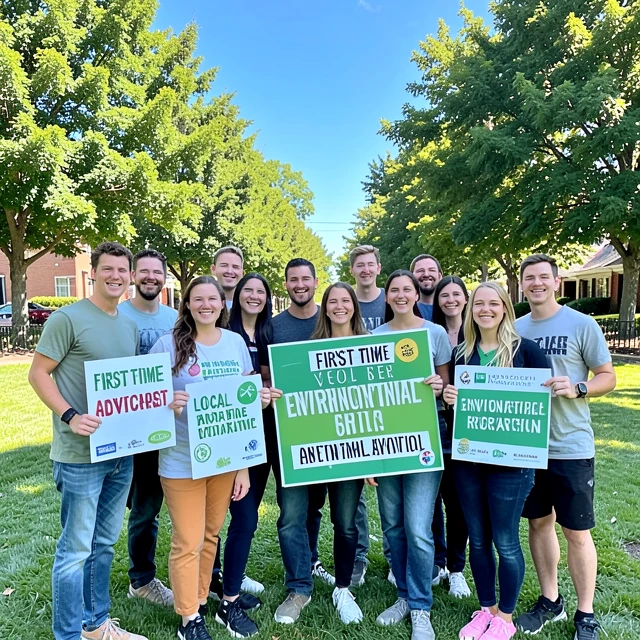
Finding Your First Volunteer Opportunity
Where do you even begin? Don't worry—options abound. Start by asking around. Friends, family, or coworkers often know about local needs. Online, sites like VolunteerMatch.org or Idealist.org list thousands of roles. For advocacy-focused work, check out groups like the ACLU or Sierra Club—they post volunteer opportunities in advocacy groups regularly.
Here's a simple checklist to guide your search:
- Identify your interests: Environment? Human rights? List three passions.
- Check availability: Aim for 2-4 hours a week to avoid burnout.
- Location matters: Search for spots within 30 minutes of home.
- Skill match: No experience? Entry-level roles like event setup are perfect.
I once stumbled on a volunteer spot through a neighborhood Facebook group. It led to weekly cleanups that turned strangers into friends. Pro tip: Email organizations directly. A quick note saying, 'I'm new to volunteering but eager to help with advocacy efforts' often gets a warm reply.
| Platform | Best For | Example Roles |
|---|---|---|
| VolunteerMatch | Quick local matches | Food drives, park cleanups |
| Idealist.org | Advocacy and nonprofits | Policy campaigns, awareness events |
| United Way | Community-wide options | Mentoring, disaster relief |
| HandsOn Network | Hands-on projects | Building playgrounds, meal prep |
Tailor your search with keywords like 'beginner volunteer' or 'advocacy volunteer' to filter results. And remember, many groups offer virtual roles now—great if you're remote.
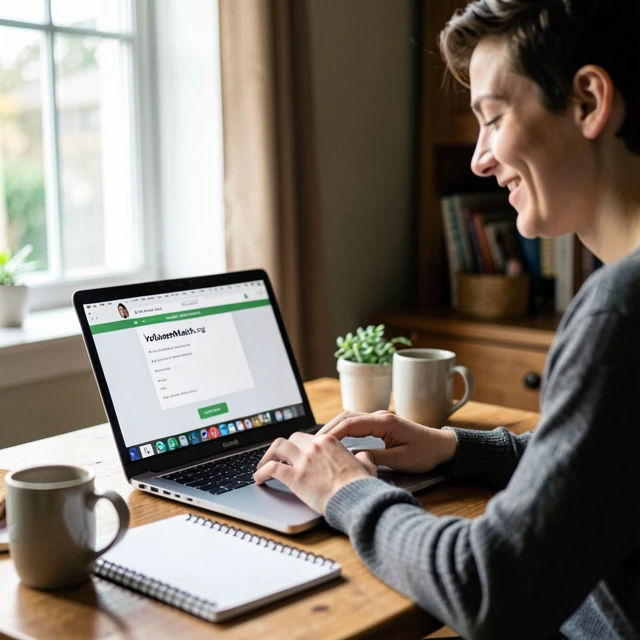
Preparing for Your First Day
You've signed up—now what? Prep like it's a job interview, but way more fun. First, review the organization's guidelines. What to wear? Casual jeans work for most, but confirm. Bring water, a snack, and ID. If it's advocacy work, brush up on the basics—read their latest newsletter to chat knowledgeably.
Mentally, set realistic goals. You're there to learn, not save the world in one go. I prepped for my advocacy group shift by watching a short TED Talk on community organizing. It eased my nerves and sparked ideas.
Pack a 'volunteer kit': Notebook for notes, comfortable shoes, and a positive attitude. Arrive 15 minutes early. Introduce yourself: 'Hi, I'm Alex, new volunteer—excited to dive in!' It breaks the ice fast.
- Dress code: Layers for outdoors; name tag if provided.
- Health check: Stay home if sick—volunteer safety first.
- Questions ready: Ask about tasks, team dynamics, and feedback.
For advocacy roles, expect discussions. Practice active listening: Nod, paraphrase what you hear. It builds trust quickly.
What to Expect on the Ground
Your first shift might surprise you. Expect a mix of structure and chaos—events rarely go perfectly. At a voter registration drive I joined, rain hit mid-setup. We adapted, huddling under tents, and registered more folks than planned. Flexibility is key.
Common scenarios:
- Teamwork heavy: You'll collaborate with volunteers of all ages.
- Varied tasks: From greeting to data entry—embrace the mix.
- Emotional moments: In advocacy, stories shared can tug heartstrings. Take breaks if needed.
Pace yourself. Hydrate, stretch, and debrief mentally: What went well? What to tweak next time? Organizations like Points of Light offer free training webinars for deeper prep—check pointsoflight.org.
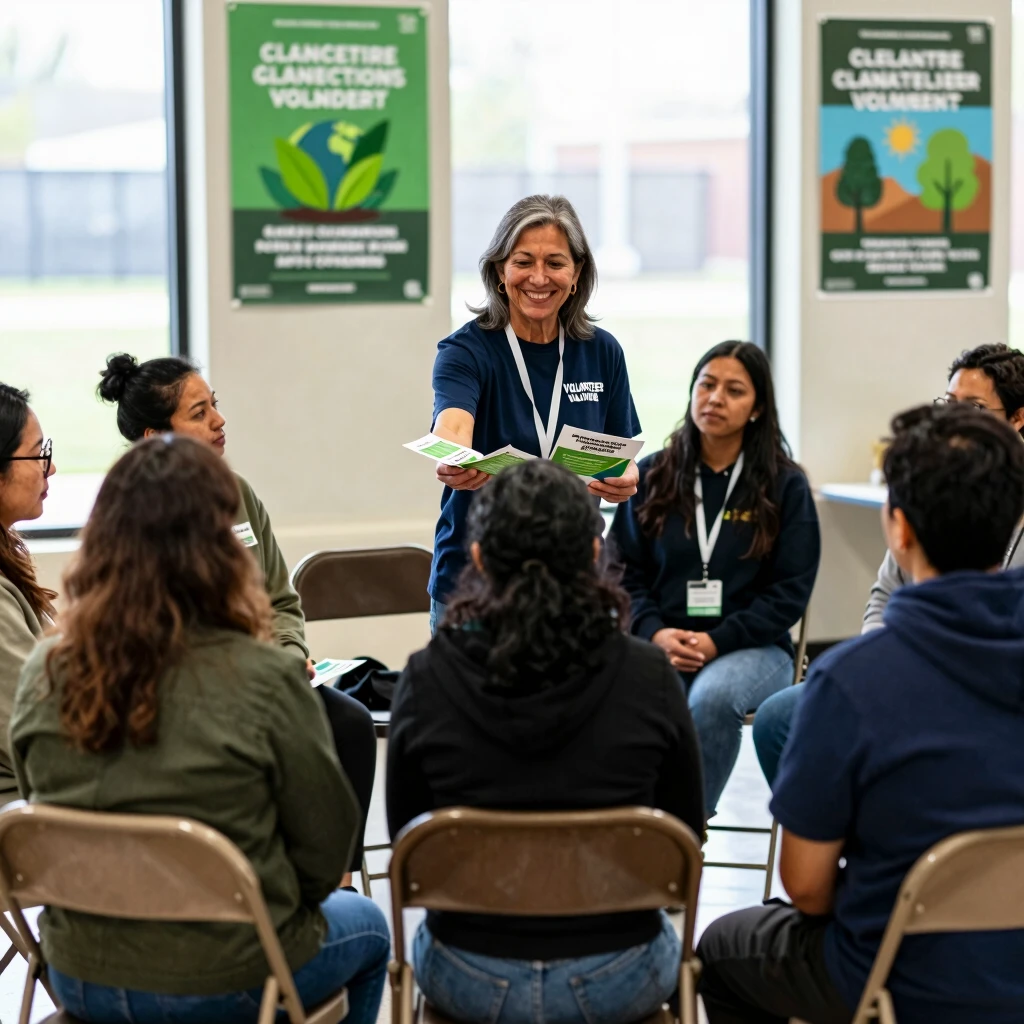
Top Tips for First-Time Volunteers
Let's get actionable. These tips, honed from my stints in food banks to advocacy marches, will boost your impact.
Tip 1: Show Up Consistently
Consistency builds bonds. Commit to a schedule you can keep. One group I volunteered with tracked attendance via an app—simple and motivating.
Tip 2: Listen More Than Talk
Especially in advocacy, people want to feel heard. Ask open questions: 'What's one change you'd like to see?' It uncovers needs and fosters real connections.
Tip 3: Learn on the Fly
Mistakes happen—own them. Spilled coffee at a bake sale? Laugh it off and mop up. Growth comes from doing.
Tip 4: Network Naturally
Chat with coordinators. 'What's the biggest challenge here?' can lead to more roles, like leading a subcommittee in advocacy efforts.
Tip 5: Reflect and Share
Journal your experience. Share on social media (with permission) to inspire others. Tag #FirstTimeVolunteer to join the conversation.
For advocacy specifics, focus on ethics. Protect privacy—never share participant stories without consent. Resources from the National Council of Nonprofits (councilofnonprofits.org) guide best practices.
Personal Insights: Lessons from the Trenches
My journey started rocky. At 22, I volunteered for a women's shelter, fumbling phone intakes. A veteran volunteer pulled me aside: 'Breathe, connect, then act.' That shifted everything. Now, years later, I've led advocacy trainings, turning nerves into confidence.
Another gem: Diversity enriches. In one group, I teamed with a retiree and a teen—perspectives clashed, then clicked, creating stronger campaigns. Embrace it.
Burnout lurks, so self-care matters. After intense shifts, I unwind with walks or podcasts. Balance keeps you volunteering long-term.
If advocacy calls, start with listener roles. I did phone banking for a housing initiative—small calls sparked big policy wins. Your voice counts.
Wrapping It Up
Volunteering 101 boils down to this: Start simple, stay open, and savor the growth. As a first-time volunteer, you'll gain skills, stories, and a sense of belonging that lasts. Whether chasing volunteer opportunities in advocacy groups or local cleanups, your efforts ripple out. Take that first step today—you've got this. Dive in, and watch the world brighten. (Total word count: 1,512)