Volunteerism and Its Role in Building Stronger Communities
Explore how volunteerism fosters community connections, enhances social ties, and drives meaningful change through advocacy and shared initiatives.
4 min read
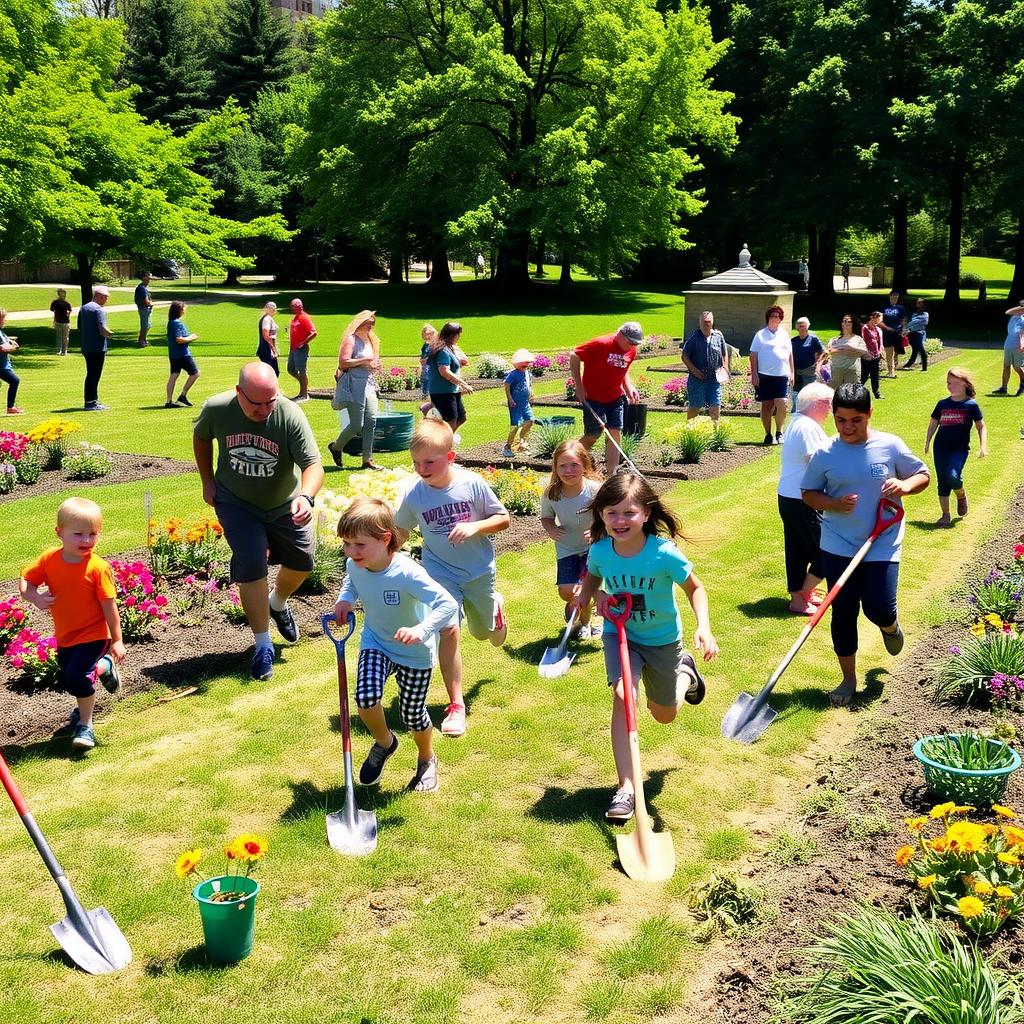
Volunteerism is a powerful force that brings people together to work towards a common goal. It's not just about giving time; it's about creating connections, fostering empathy, and building a sense of belonging within a community. In this article, we'll explore the role of volunteerism in building stronger communities, share success stories, and provide actionable insights for those looking to get involved.
Volunteerism is often seen as a selfless act, but it offers numerous benefits for both the volunteers and the communities they serve. For individuals, volunteering can lead to personal growth, skill development, and a sense of purpose. It provides opportunities to learn new things, meet new people, and make a tangible difference in the world. For communities, volunteerism is a vital resource. It helps fill gaps in services, supports local initiatives, and fosters unity among residents. When people come together to work towards a common goal, they build stronger social ties and create a more resilient society.
One of the most impactful ways volunteerism contributes to community building is through advocacy. Advocacy volunteers work tirelessly to raise awareness about important issues, influence policy decisions, and create positive change. Their efforts can lead to significant improvements in areas like education, healthcare, and environmental sustainability. For instance, in Portland, Oregon, a group of volunteers launched a campaign to improve local public transportation. Through their efforts, they were able to secure funding for new bus routes and better accessibility options, making it easier for residents to get around and access essential services.
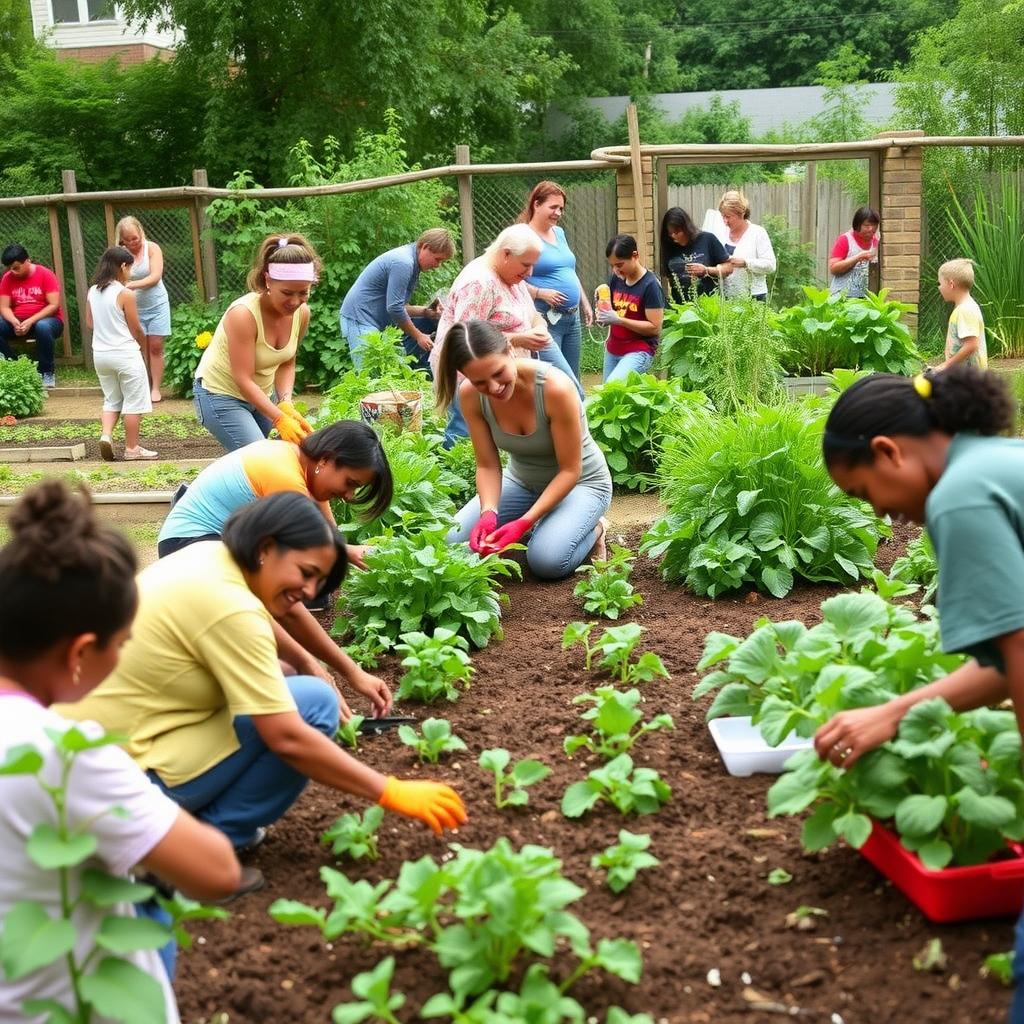
Another powerful example of volunteerism in action is the community garden movement. Community gardens not only provide fresh produce but also serve as gathering places where people can connect and learn from each other. These gardens foster a sense of ownership and pride within neighborhoods, transforming vacant lots into vibrant, productive spaces. If you’re interested in starting a community garden, check out our beginner’s guide: "How to Start a Community Garden: A Beginner’s Guide."
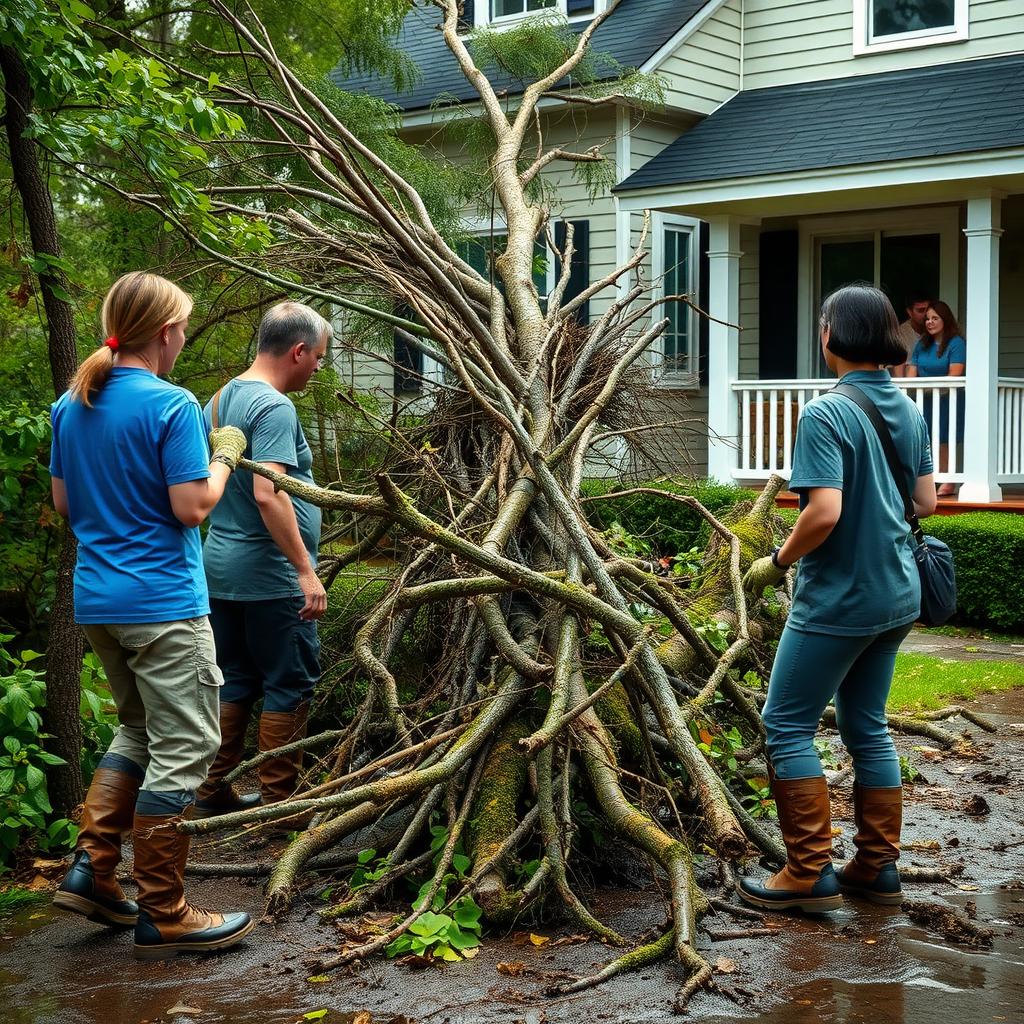
Volunteerism also plays a crucial role in disaster response and recovery. When natural disasters strike, volunteers are often the first to arrive on the scene, providing immediate assistance and support to those affected. Their efforts can help communities bounce back more quickly and build resilience for future challenges. For example, after Hurricane Katrina, thousands of volunteers from across the country came together to rebuild homes, provide meals, and offer emotional support to survivors. This outpouring of volunteerism not only aided in the physical recovery but also helped restore a sense of hope and community spirit.
The ripple effect is real too. When one person volunteers, others notice. It’s contagious. In my neighborhood, a food drive started with five people. Now, dozens join in every month. It’s not just food—it’s a habit of helping that spreads. This matters in a world where we’re often too busy or divided to connect. Volunteerism provides a platform for people from diverse backgrounds to come together, build relationships, and work towards a shared vision.
Let’s talk numbers for a second. Research shows communities with active volunteers have less crime and better schools. Why? Because people who care enough to volunteer also care about where they live. They vote, they talk, they show up. It’s not magic—it’s effort. And it pays off in safer streets and happier kids.

Volunteerism tackles big issues too. Poverty, hunger, pollution—volunteers take them on when no one else does. In San Francisco, a few folks started a community kitchen. Now, it feeds thousands every year. It’s not just meals; it’s a place where people feel seen. I’ve served in one myself, and the smiles you get back? Worth every minute.
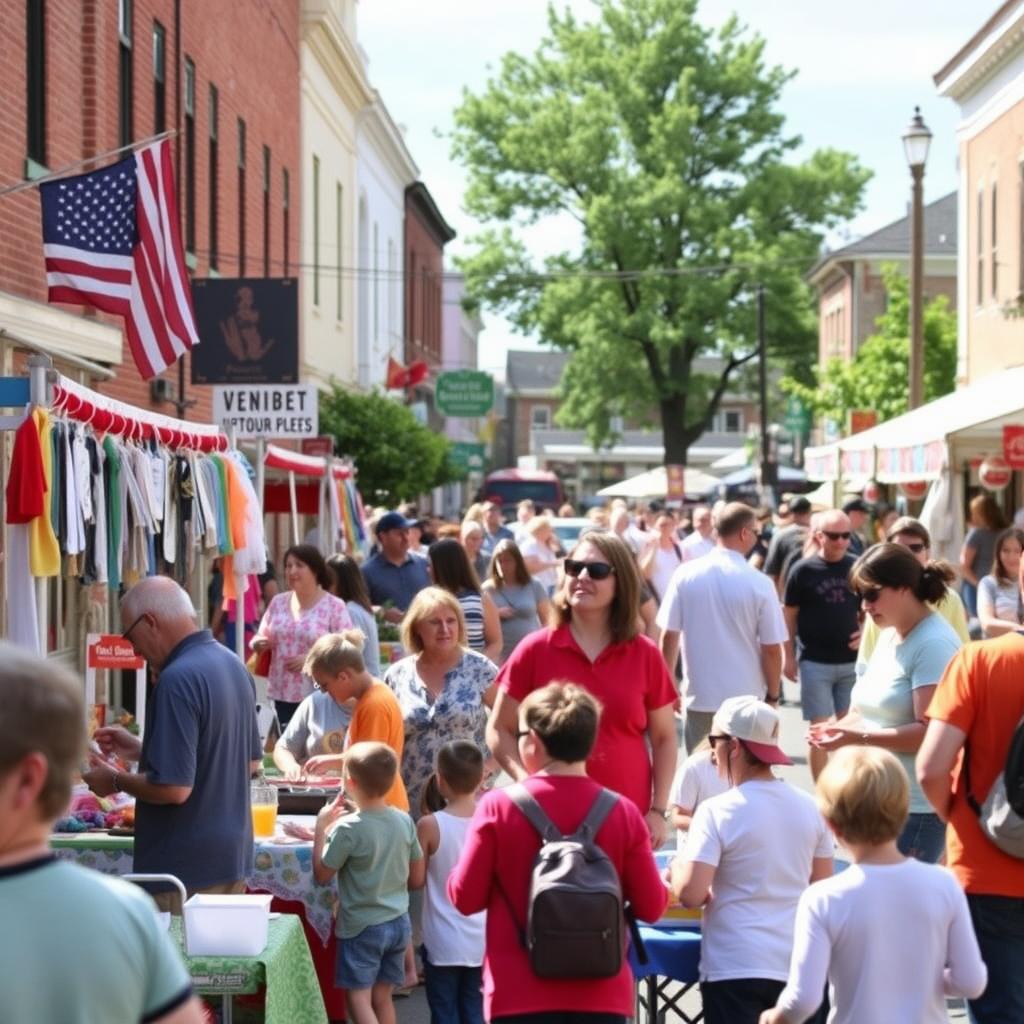
It’s not all heavy stuff either. Volunteers boost local economies. They run markets, fix up shops, draw crowds to events. In small towns, a volunteer festival can mean real money for stores and a big dose of pride for everyone. Plus, when businesses and volunteers team up, good ideas turn into action fast.
If you’re inspired to get involved, there are many ways to start. You can look for opportunities through local organizations, online platforms like VolunteerMatch, or even by reaching out to friends and neighbors. Here are a few ideas to consider:
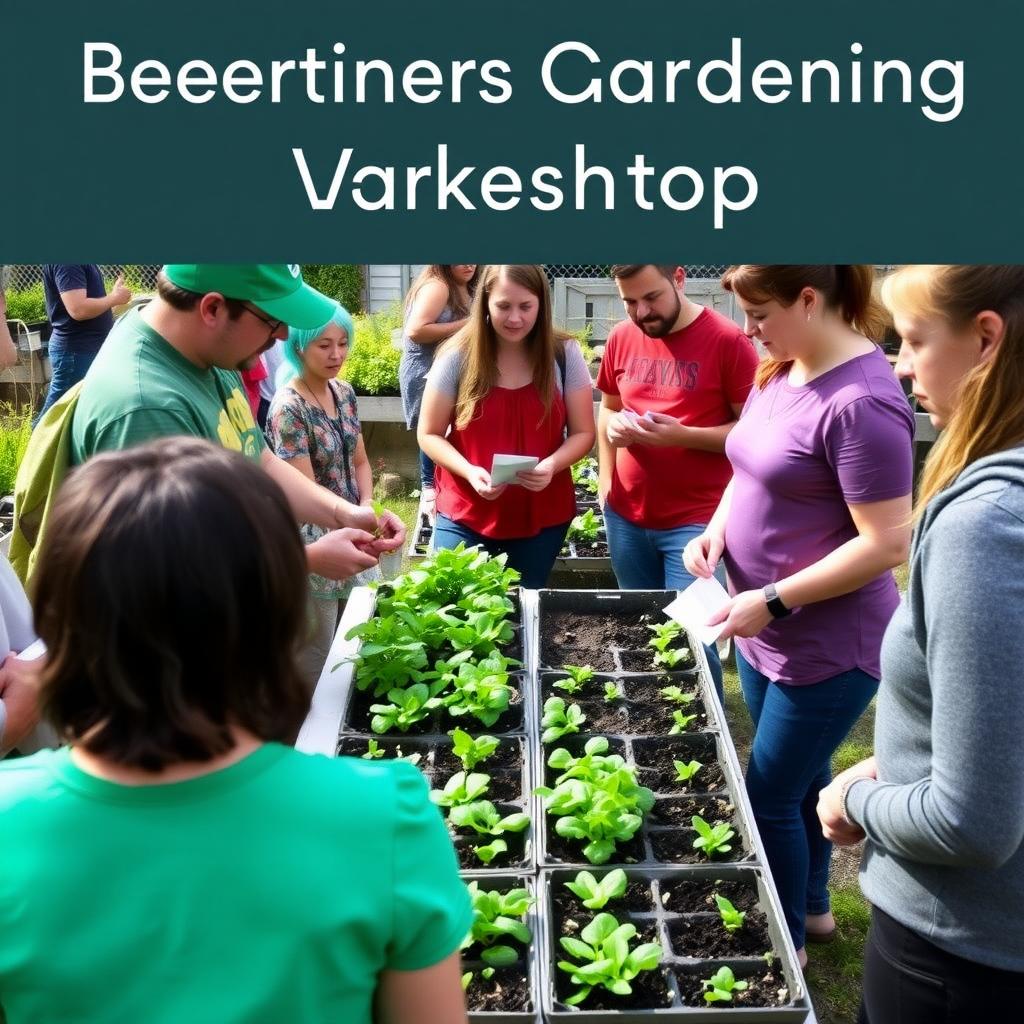
- Join a community garden: Community gardens are a great way to grow fresh produce, meet new people, and learn new skills. If you’re new to gardening, don’t worry—many community gardens offer workshops and resources for beginners. Here’s a simple guide to help you get started:
| Step | Action |
|---|---|
| 1 | Find a local community garden or start one with neighbors |
| 2 | Attend a gardening workshop or read a beginner’s guide |
| 3 | Choose a plot and start planting |
| 4 | Connect with other gardeners and share tips |
| 5 | Enjoy the fruits of your labor and give back to the community |
- Engage in advocacy: If you’re passionate about a particular cause, consider joining an advocacy group or starting your own initiative. Advocacy volunteers work to raise awareness about important issues and influence policy decisions. This can involve activities like organizing rallies, writing letters to elected officials, or using social media to spread the word. Remember, even small actions can make a big difference when it comes to creating change.
Ready to try it? You don’t need to be a hero—just start where you are. Here’s how:
- Gardening: Join a community garden or start one. It’s simple and fun.
- Advocacy: Got a cause you love? Speak up. Write a letter, join a group, or share online. Small steps add up. Look at those success stories of advocacy volunteers—they started somewhere too.
- Local Help: Check VolunteerMatch or ask around. Events, shelters, libraries—someone needs you.
- Your Skills: Good at something? Offer it. I’ve seen artists paint murals and accountants fix budgets for free. It all counts.
Start small. Pick what excites you. The best part? You’ll get back as much as you give.