Volunteerism: From Passion to Action
Discover how to turn your passion into action through volunteerism and advocacy. Learn from real examples and get practical tips to make a difference in your community.
7 min read
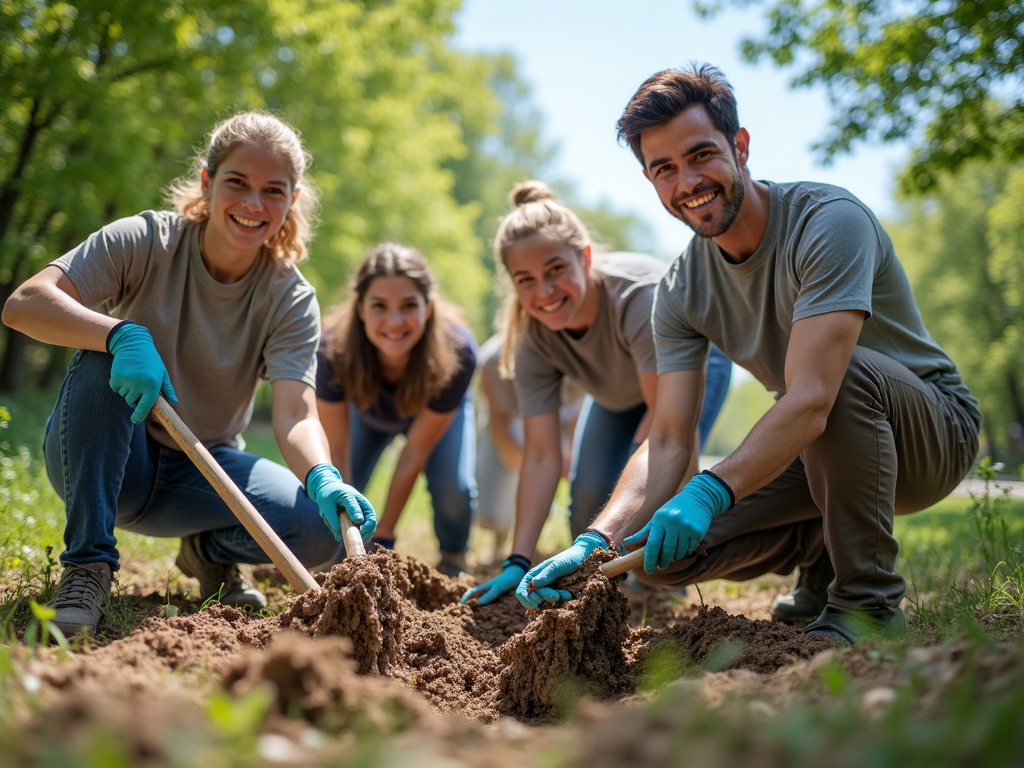
Volunteerism is more than just giving your time; it's a journey from passion to action. It's about turning your beliefs into tangible change, combining the heart of a volunteer with the voice of an advocate. This article explores how you can make a real difference by blending volunteer work with advocacy.

Volunteerism is the act of offering your time, skills, and energy to help others without expecting anything in return. It's about making a difference in your community, whether it's by cleaning up a park, tutoring kids, or helping at a local shelter. But volunteerism isn't just about the actions you take; it's also about the passion that drives you. When you volunteer, you're not just doing a task; you're expressing your values and beliefs through your actions.
Volunteering can take many forms, from organized efforts with nonprofits to spontaneous acts of kindness. It can be as simple as helping a neighbor with groceries or as involved as leading a community project. The key is that it's voluntary—you choose to do it because you want to, not because you have to.
Volunteerism is essential for building strong, resilient communities. It fosters a sense of belonging and shared purpose, bringing people together to work towards common goals. By volunteering, you not only help others but also enrich your own life, gaining new skills, perspectives, and connections.
In this article, we'll explore how you can take your volunteerism to the next level by combining it with advocacy. By speaking up for the causes you care about, you can create lasting change and make an even greater impact.
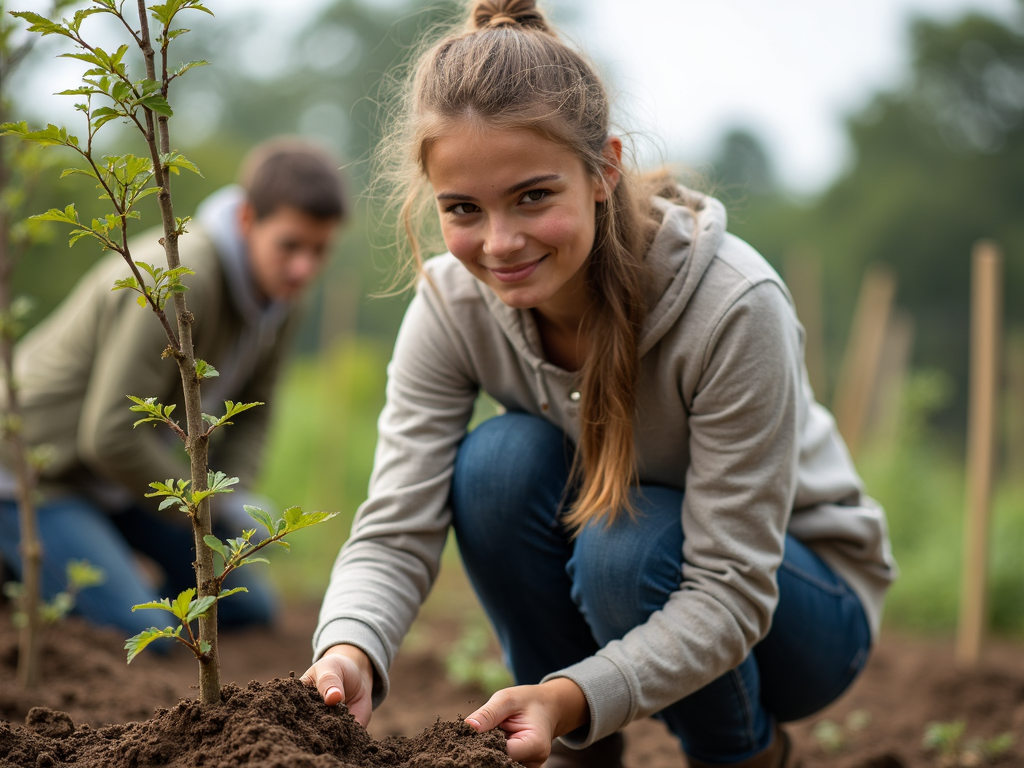
Passion is the spark that ignites volunteerism. When you're passionate about a cause, volunteering becomes more than just a duty; it becomes a joy. Your enthusiasm can inspire others to join in, creating a ripple effect of positive change. Whether you're passionate about the environment, education, or social justice, your volunteer work can be a powerful expression of that passion.
Finding your passion is the first step in meaningful volunteerism. Think about the issues that matter most to you. What makes you angry, sad, or excited? What do you want to change in the world? Once you've identified your passion, look for volunteer opportunities that align with it. This alignment will keep you motivated and make your efforts more effective.
Passion also helps you overcome obstacles. Volunteering can be challenging, with setbacks and frustrations along the way. But when you're driven by a deep-seated belief in your cause, you'll find the strength to persevere. Your passion will fuel your resilience and keep you focused on your goals.
Moreover, passionate volunteers often become leaders in their communities. By sharing your enthusiasm and vision, you can rally others to your cause and build a movement for change. So, let your passion guide you, and watch how it transforms your volunteer work into something extraordinary.
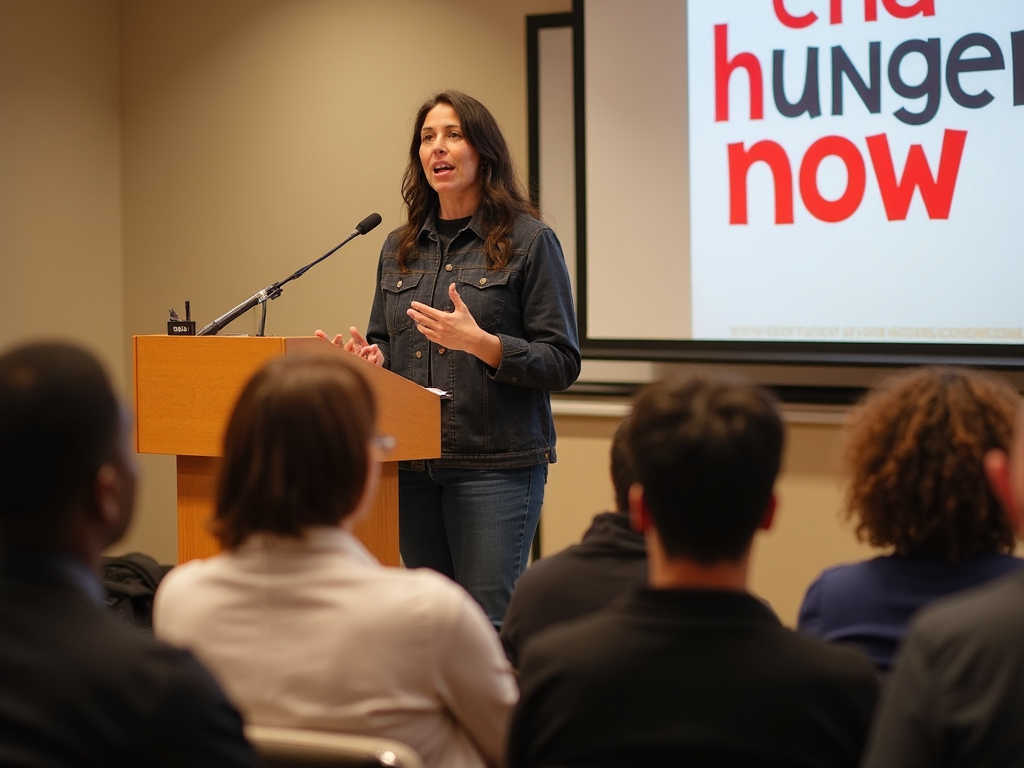
Advocacy takes volunteerism to the next level. While volunteering addresses immediate needs, advocacy aims to create long-term change by addressing the root causes of issues. By combining the two, you can make a more significant impact. For example, if you volunteer at a food bank, you can also advocate for policies that reduce food insecurity. This dual approach ensures that you're not just treating the symptoms but also working towards a cure.
To combine volunteer work with advocacy, start by educating yourself about the issues. Learn about the systemic factors that contribute to the problems you're addressing. Then, use your voice to raise awareness and push for change. This could involve writing to elected officials, organizing petitions, or speaking at public events.
Advocacy can also involve collaborating with other organizations and stakeholders. By building coalitions, you can amplify your message and increase your influence. Remember, advocacy is about persuasion and negotiation, so be prepared to listen to different perspectives and find common ground.
Ultimately, combining volunteer work with advocacy allows you to be a more effective agent of change. It enables you to tackle issues from multiple angles, creating a more comprehensive and sustainable impact.

Real-life examples can inspire and guide your own journey in volunteerism and advocacy. One such example is Greta Thunberg, a Swedish environmental activist. She started her journey by protesting outside the Swedish parliament for stronger action on climate change. Her passion and advocacy have inspired a global movement, showing how one person's volunteerism can lead to widespread change. Learn more about her work on her official website.
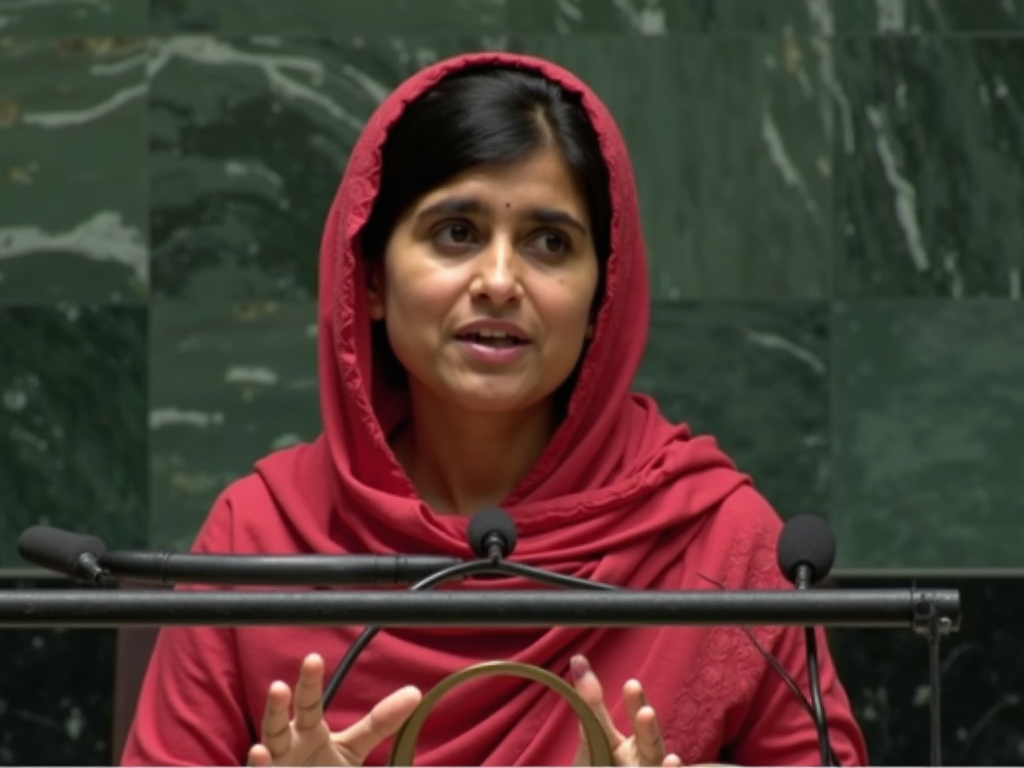
Another inspiring figure is Malala Yousafzai, a Pakistani activist for female education. After surviving an attack by the Taliban, she began advocating for girls' rights to education. Her efforts have made her a global symbol of courage and determination. You can support her cause through the Malala Fund.
Closer to home, consider the story of John Smith, a volunteer who noticed the lack of accessible playgrounds in his community. He started by organizing volunteer groups to build inclusive playground equipment. Then, he advocated for city funding to make all playgrounds accessible. His efforts led to a city-wide initiative, improving play opportunities for children with disabilities.
These examples demonstrate the power of combining volunteer work with advocacy. By taking action and speaking up, you too can make a difference. Whether you're addressing local issues or global challenges, your voice matters. So, take inspiration from these advocates and start your own journey from passion to action.
Getting started with volunteerism and advocacy is easier than you might think. Follow these steps to turn your passion into action:
- Identify your passion: Think about the issues that matter most to you. What causes do you care about deeply?
- Research organizations: Look for groups that align with your values and offer volunteer opportunities.
- Start small: Begin with a one-time volunteer event to get a feel for the work.
- Learn and grow: Attend workshops or training sessions to develop your skills.
- Speak up: Share your experiences and advocate for the cause through social media, blogs, or public speaking.
- Connect with others: Join volunteer networks or online communities to find support and inspiration.
- Reflect and adjust: Regularly assess your impact and adjust your approach as needed.
Here's a quick reference table:
| Step | Action | Description |
|---|---|---|
| 1 | Identify your passion | Think about what issues you care about most. |
| 2 | Research organizations | Look for groups that work on those issues. |
| 3 | Start small | Try a one-time volunteer event to get started. |
| 4 | Learn and grow | Take advantage of training opportunities. |
| 5 | Speak up | Share your story and advocate for the cause. |
| 6 | Connect with others | Join networks to meet like-minded volunteers. |
| 7 | Reflect and adjust | Evaluate your impact and make changes as needed. |
By following these steps, you can embark on a fulfilling journey of volunteerism and advocacy.

Volunteering and advocating for change can be challenging. Here are some common obstacles and how to overcome them:
- Burnout: Volunteering can be emotionally and physically draining. To avoid burnout, set realistic goals and take breaks when needed. Remember, self-care is crucial.
- Lack of resources: You might face limited funding or support. Get creative with fundraising, seek grants, or partner with other organizations to share resources.
- Resistance to change: Not everyone will support your cause. Be patient and persistent. Use data and personal stories to persuade others.
- Time management: Balancing volunteering with other responsibilities can be tough. Prioritize your tasks and delegate when possible.
- Staying motivated: It's easy to lose motivation when progress is slow. Celebrate small victories and remind yourself of your passion and purpose.
Remember the words of Margaret Mead: 'Never doubt that a small group of thoughtful, committed citizens can change the world; indeed, it's the only thing that ever has.' Your efforts matter, even when the going gets tough.

Volunteerism has a profound impact on communities. It addresses immediate needs, such as food insecurity or environmental degradation, while also building social capital. When people volunteer, they create connections and foster a sense of belonging, which strengthens community resilience.
Moreover, when volunteers advocate for change, they can influence policies and create systemic improvements. For example, volunteer-led initiatives have led to better public transportation, improved educational resources, and enhanced public safety.
The ripple effect of volunteerism can transform entire communities. By inspiring others to get involved, volunteers create a culture of service and advocacy. This collective action can lead to more equitable and sustainable communities.
For instance, in a small town, a group of volunteers started a community garden to provide fresh produce to low-income families. They also advocated for a local ordinance to support urban agriculture. Over time, the garden became a hub for community engagement, education, and health, illustrating the multifaceted impact of volunteerism.
In short, volunteerism is not just about helping others; it's about building a better world for everyone. Your contributions, no matter how small, can make a big difference.

Volunteerism is a powerful way to turn your passion into action. By combining volunteer work with advocacy, you can make a lasting impact on your community. Remember, every small effort counts, and together, we can create a better world. Start your journey today and see where your passion takes you.