The Role of Volunteers in Advocacy: Best Practices
Explore the vital role of volunteers in advocacy, offering best practices to maximize impact through engagement, recognition, and community building.
2 min read
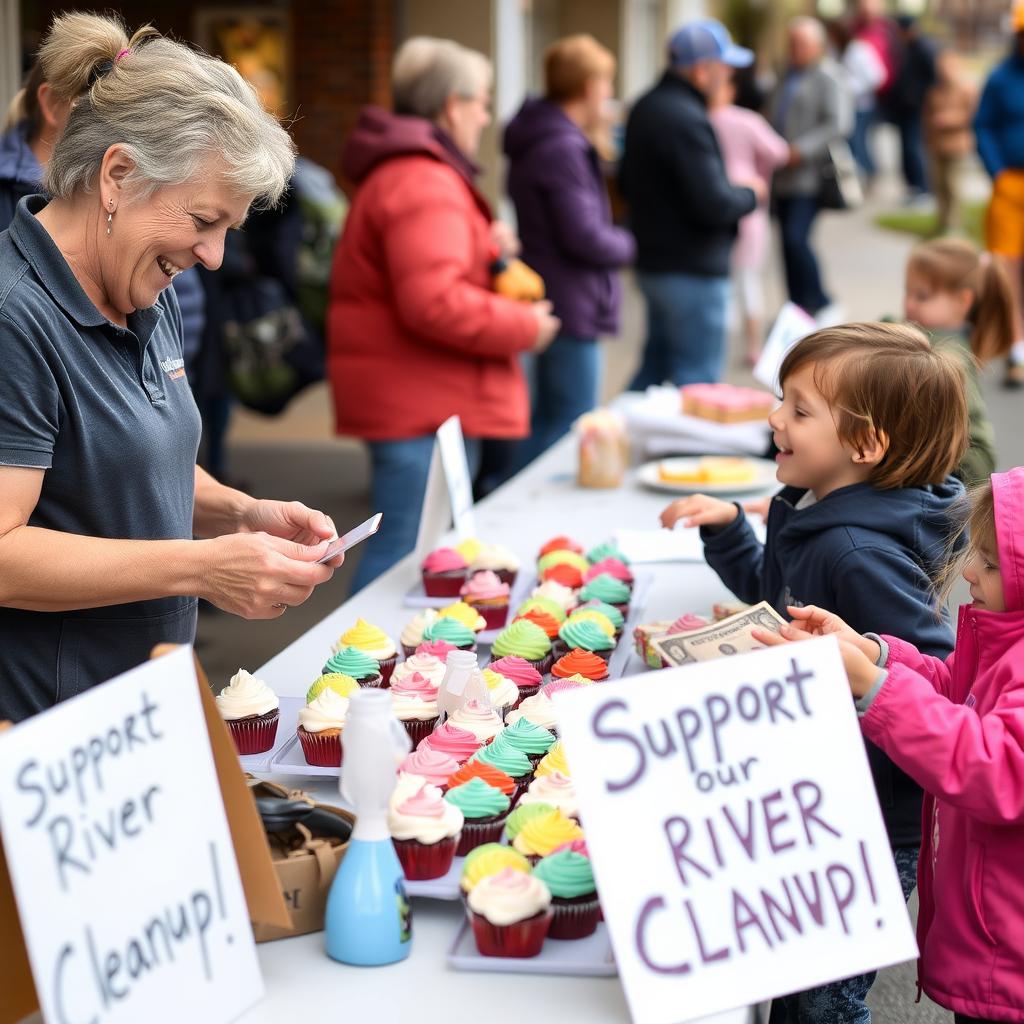
Volunteers are the heartbeat of advocacy, driving change with passion and dedication. This article explores their vital role, offering best practices to maximize impact. From starting campaigns to fundraising, learn actionable steps to empower volunteers and strengthen advocacy efforts in simple, effective ways.
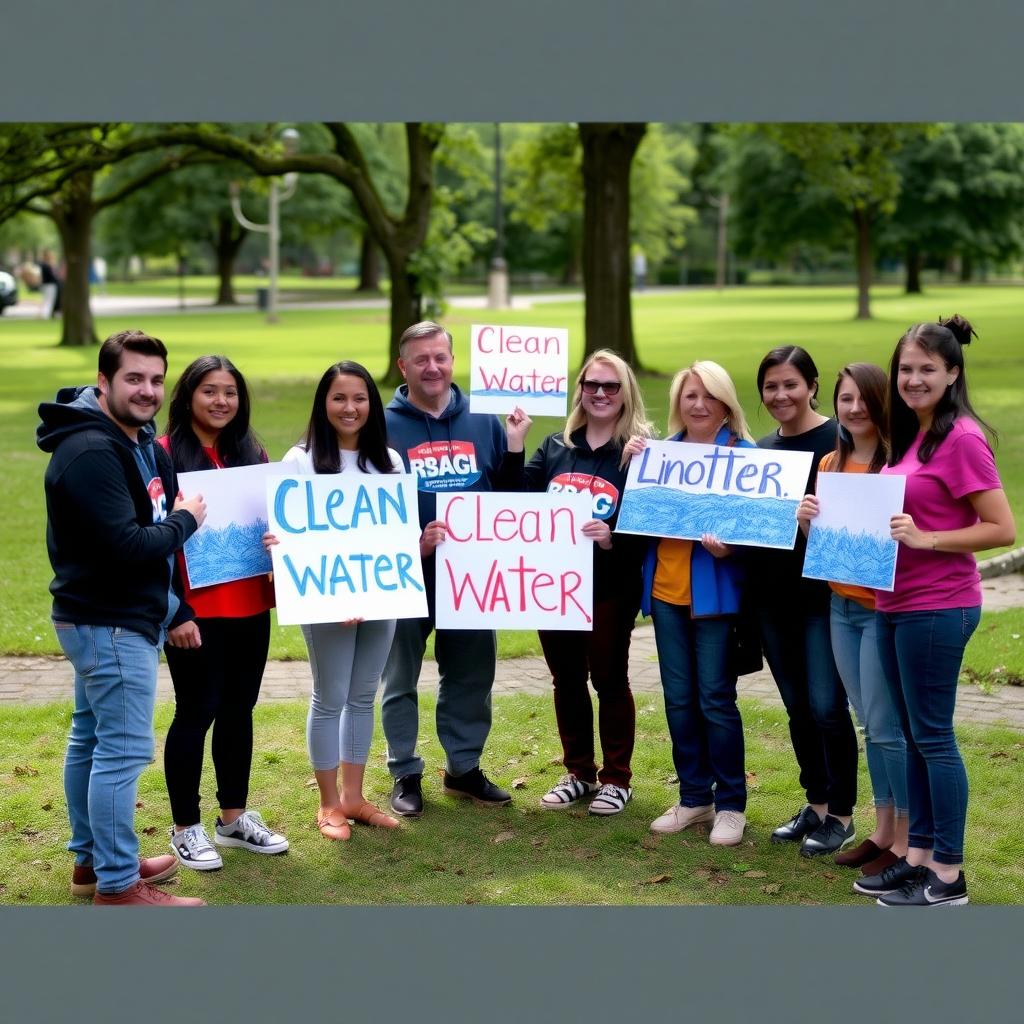
Starting an advocacy campaign sounds big, but it’s doable with volunteers leading the way. Here’s a step-by-step guide:
- Pick a Clear Goal: Focus on one issue—like better school funding or cleaner air. Keep it specific so everyone knows what’s at stake.
- Recruit Volunteers: Start small. Ask friends, family, or local groups who care about the cause. Passion beats numbers at first.
- Plan Together: Hold a meeting (in-person or online) to brainstorm. Let volunteers share ideas—they’ll feel invested.
- Spread the Word: Use free tools like social media or flyers. Volunteers can post, talk, or hand out info.
- Act: Choose one action—like a petition or a community event. Keep it simple and build from there.
Real experience shows this works. I once helped launch a campaign for safer parks. Five volunteers started it—just talking to neighbors. Within a month, we had 50 people at a town meeting. Volunteers made it grow.
To make advocacy powerful, volunteers need support and direction. Here are some best practices:
1. Train Them Well
Give volunteers the tools to succeed. A quick session on the issue, key facts, and how to talk about it builds confidence. Keep it short—30 minutes can do the trick.
2. Set Clear Tasks
People want to help but need to know how. Break jobs into bites: “Call five people” or “Post this message.” Clear steps prevent burnout.
3. Celebrate Wins
Did 20 people sign a petition? Say thanks! A shoutout in a group chat or a small party keeps morale high.
4. Listen to Their Ideas
Volunteers know their communities. If they suggest a new tactic—like a local event—try it. They’re your boots on the ground.
5. Keep It Fun
Advocacy can get heavy. Mix in light moments—snacks at meetings or a silly group photo. Happy volunteers stick around.
The University of Minnesota’s Extension program backs this up: engaged volunteers are 80% more likely to stay involved when they feel valued.

Volunteers don’t just help—they transform advocacy. They’re the voice of the people, not a corporation or government. Their authenticity cuts through noise. Look at movements like climate action or racial justice: volunteers, not CEOs, often lead the charge.
Data agrees. The Points of Light Foundation found that volunteer-led campaigns are twice as likely to inspire community trust. People believe in people.
Want long-term success? Keep volunteers happy. Try these:
- Say Thank You: A note or public praise goes far.
- Grow Skills: Teach them something—like public speaking. They’ll feel rewarded.
- Build Bonds: Host a picnic or chat group. Friends don’t quit on friends.
I’ve seen volunteers stay for years when they feel like family. It’s not just about the cause—it’s the connection.