Exploring the Impact of Service-Learning: Insights from Where’s the Learning in Service-Learning?
Discover the transformative power of service-learning through Janet Eyler and Dwight E. Giles Jr.’s book, Where’s the Learning in Service-Learning? This article explores how service-learning fosters community engagement, personal growth, and academic success, offering practical insights for educators, students, and volunteers.
4 min read
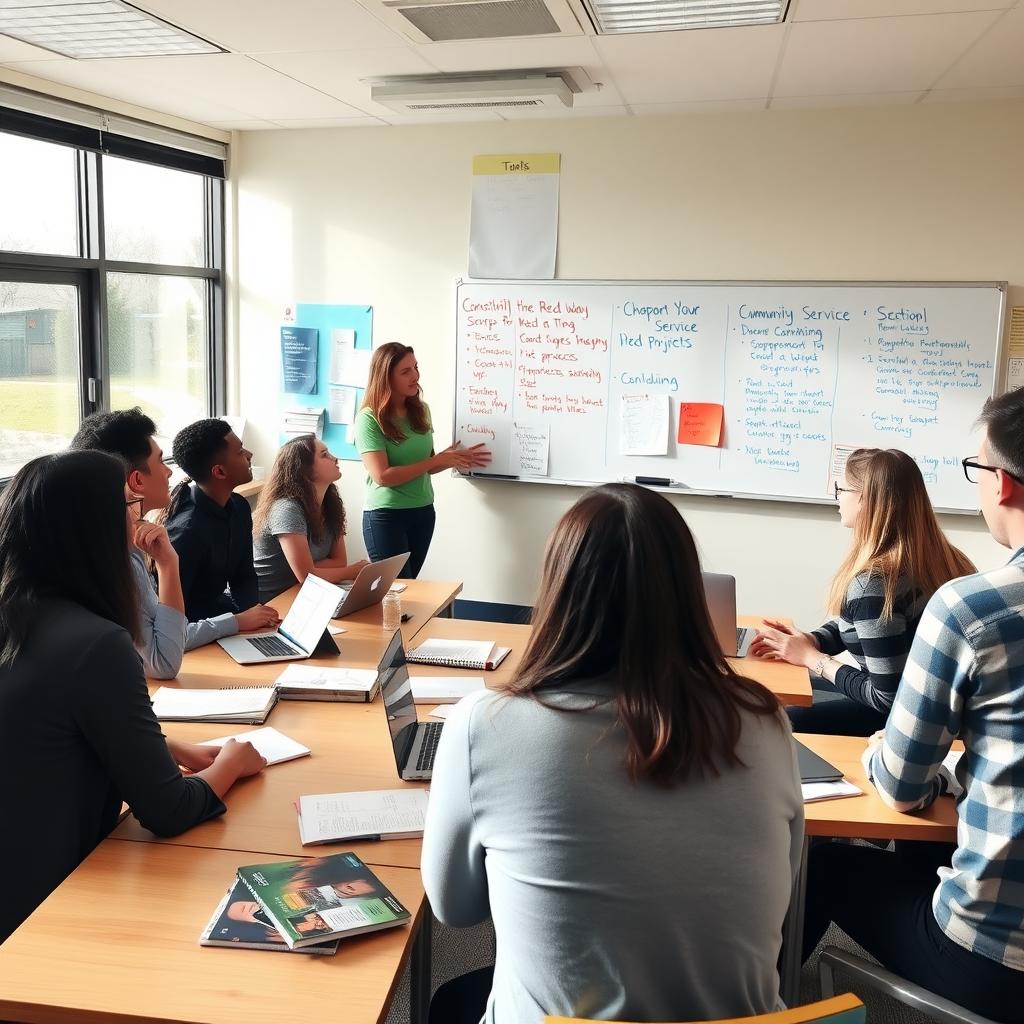
Overview of Where’s the Learning in Service-Learning?
Service-learning is more than just volunteering—it’s a powerful way to blend education with community service. In Where’s the Learning in Service-Learning? by Janet Eyler and Dwight E. Giles Jr., the authors dive deep into how this approach helps students grow academically and personally while making a real difference in their communities. Published in 1999, this book remains a cornerstone for understanding how service-learning works and why it matters. It’s a must-read for anyone curious about Fostering Community Engagement through Service Learning.
What Is Service-Learning?
At its core, service-learning combines community service with structured learning goals. Unlike traditional volunteering, it’s not just about helping out—it’s about learning through helping. Students might tutor kids, clean up local parks, or work with nonprofits, all while reflecting on their experiences to gain deeper insights. Eyler and Giles emphasize that this reflection is key. It turns hands-on work into lessons about leadership, empathy, and problem-solving.
For example, a college student volunteering at a food bank might learn about food insecurity while developing teamwork skills. The book explains how these experiences stick with students, shaping their values and career paths. It’s not just about the hours logged but the lessons learned.
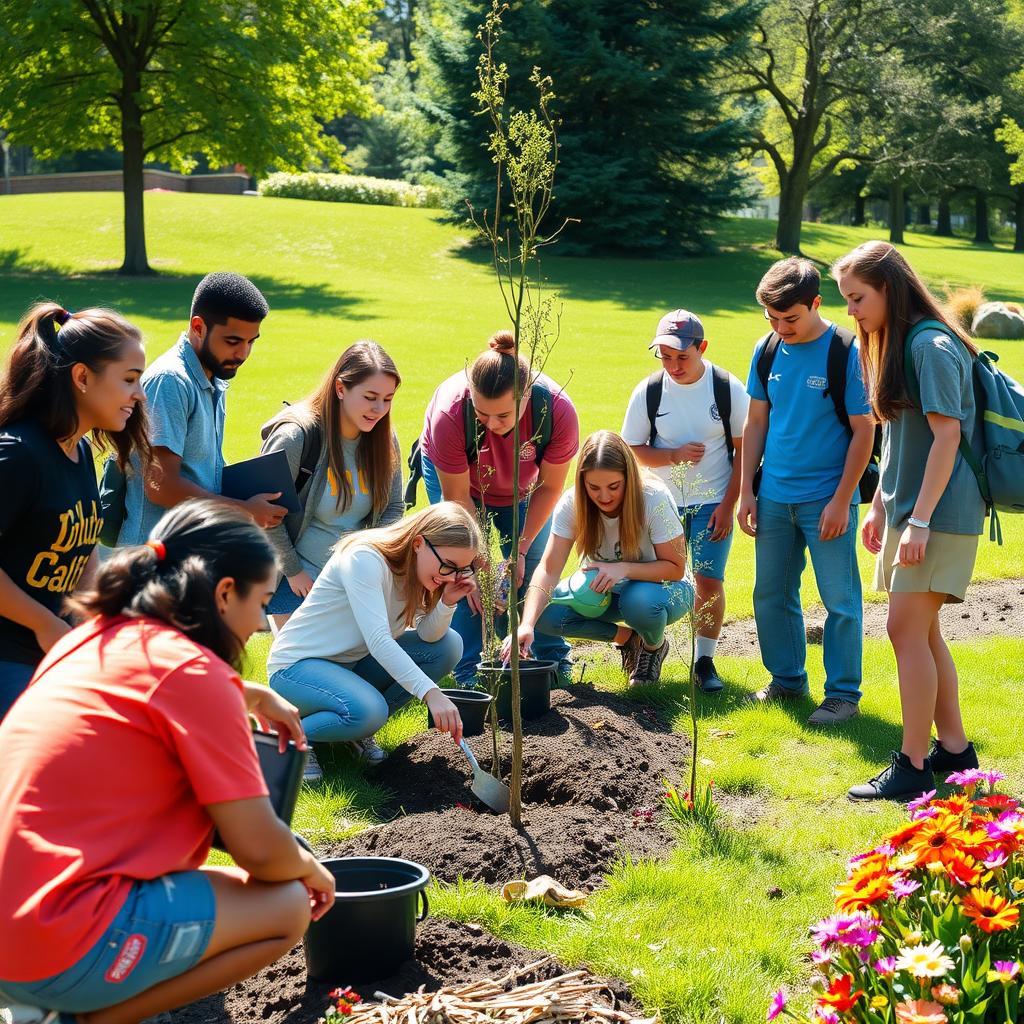
Why Service-Learning Matters
Eyler and Giles argue that service-learning bridges the gap between theory and practice. In a classroom, you might read about social issues, but service-learning lets you see them up close. This hands-on approach makes abstract concepts real. For instance, a student studying environmental science might understand climate change better after cleaning a polluted riverbank.
The book highlights research showing that service-learning boosts critical thinking, civic responsibility, and even academic performance. Students who participate often feel more connected to their communities and confident in their abilities.
Key Benefits of Service-Learning
Here’s a quick look at why service-learning stands out, based on Eyler and Giles’ findings:
| Benefit | Description |
|---|---|
| Academic Growth | Connects classroom knowledge to real-world problems. |
| Personal Development | Builds skills like communication, teamwork, and leadership. |
| Community Impact | Addresses local needs, from literacy programs to environmental projects. |
| Civic Engagement | Encourages lifelong volunteering and active citizenship. |
These benefits don’t just help students—they strengthen communities too.
Challenges in Service-Learning
While service-learning sounds great, it’s not without hurdles. Eyler and Giles point out that programs need careful planning to work well. Without clear goals or strong community partnerships, projects can fall flat. For example, if students are sent to a nonprofit without proper training, they might feel lost or unhelpful.
Another challenge is funding. Service learning grants and funding are crucial for covering costs like transportation or supplies. The book stresses that schools and organizations must invest time and resources to make service-learning meaningful. It’s not enough to just send students out to volunteer—they need support to succeed.

My Take: Why This Book Resonates
As someone who’s volunteered in community programs, I can relate to Eyler and Giles’ insights. I once helped organize a literacy program for kids. At first, it felt like just reading stories to them, but reflecting on it later—like the book suggests—showed me how much I learned about patience and communication. The kids benefited, sure, but I walked away with skills I still use.
The book’s emphasis on reflection really hit home. It’s easy to do the work and move on, but thinking about why it matters changes everything. It’s like keeping a journal—it helps you see the bigger picture.
How to Make Service-Learning Work
Eyler and Giles offer practical tips for educators and students to get the most out of service-learning. Here’s what they suggest:
- Set Clear Goals: Know what you want to learn and achieve before starting.
- Build Strong Partnerships: Work closely with community organizations to ensure projects meet real needs.
- Reflect Regularly: Use journals or group discussions to process experiences.
- Seek Funding: Look for service learning grants and funding to support projects.
- Evaluate Impact: Check in with students and community partners to measure success.
These steps ensure that service-learning isn’t just a feel-good activity but a transformative experience.
Service-Learning in Action: Real-World Examples
The book shares stories of successful programs, and they’re inspiring. One example is a university where students worked with a local housing agency to rebuild homes. They didn’t just hammer nails—they learned about urban poverty and zoning laws. Another program had students tutoring immigrants, which improved their language skills while teaching students about cultural diversity.
These examples show how service-learning can fit any field, from education to environmental science. It’s about finding the right project and committing to it.
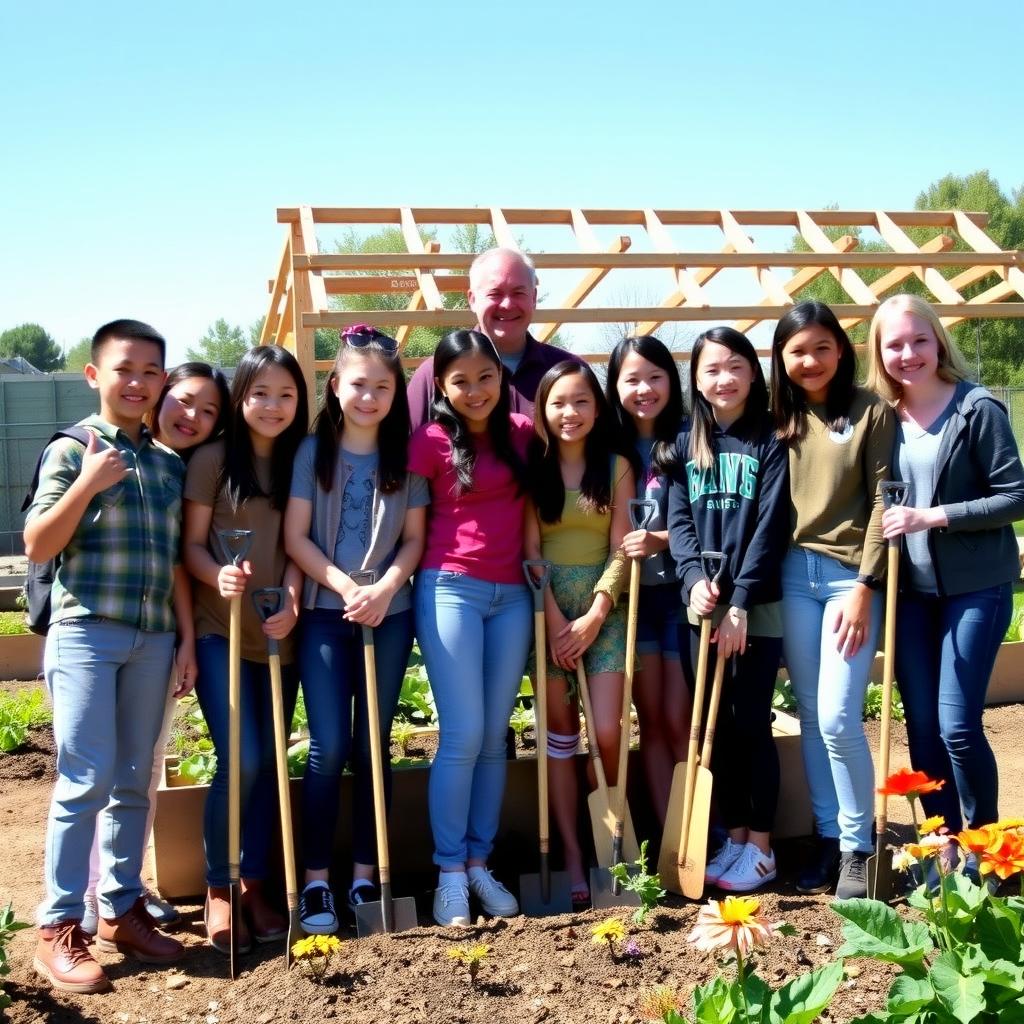
The Role of Volunteers in Service-Learning
Volunteers are the heart of service-learning. Whether you’re a student or a community member, your time and energy make these programs possible. Eyler and Giles stress that volunteer efforts need structure to be effective. Random acts of kindness are great, but service-learning requires planning to align with educational goals.
For instance, a volunteer teaching computer skills to seniors might need a curriculum to ensure everyone learns something valuable. The book reminds us that volunteering in service-learning isn’t just about giving—it’s about growing.
Final Thoughts
Where’s the Learning in Service-Learning? by Janet Eyler and Dwight E. Giles Jr. is a game-changer for anyone interested in education or community work. It shows how service-learning can transform students, schools, and neighborhoods. By combining hands-on work with reflection, it creates lasting lessons that go beyond the classroom. Whether you’re an educator, student, or volunteer, this book offers practical ideas to make service-learning work. It’s a reminder that learning and helping others go hand in hand.